
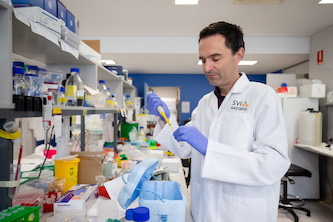
Pioneering research awarded MRFF Funding
A multi-disciplinary team led by Associate Professor Andrew Deans has been awarded just under $1 million in funding for their cutting-edge gene editing research which aims to prevent children and young adults dying from bone marrow failure syndromes.

Wound healing technique to use patient’s own cells
Associate Professor Geraldine Mitchell has been awarded a prestigious Medical Research Future Fund grant to develop an alternative to skin flaps using bioengineered skin and incorporated blood vessels.
Weary Dunlop Foundation supports ‘heart in a dish’ research
Dr Jarmon Lees has been awarded a Weary Dunlop Foundation grant to further his work on identifying new treatments for heart attack in people undergoing cancer treatment.
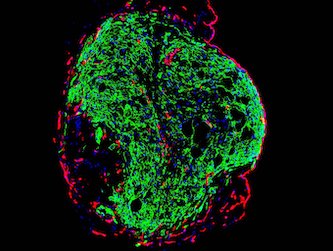
Grant success gives ‘heart in a dish’ research new life
Dr Shiang (Max) Lim and Dr Jarmon Lees have each been awarded Medical Research Future Fund Grants for their projects to deliver new treatments for the currently untreatable debilitating genetic disease, Friedreich ataxia heart disease.

New funding to tackle age-related bone disease
Prof Natalie Sims has been awarded a prestigious NHMRC Investigator Grant to better understand the causes of age-related bone fragility.

Anna takes action
Thirteen year old Anna Johnston was motivated to participate in the BANDIT trial because she "doesn't want her grandbabies to go through this".

New funding for bright ideas
The NHMRC has awarded SVI researchers more than $7.7 million for research into cancer, liver disease, heart disease and type 2 diabetes.
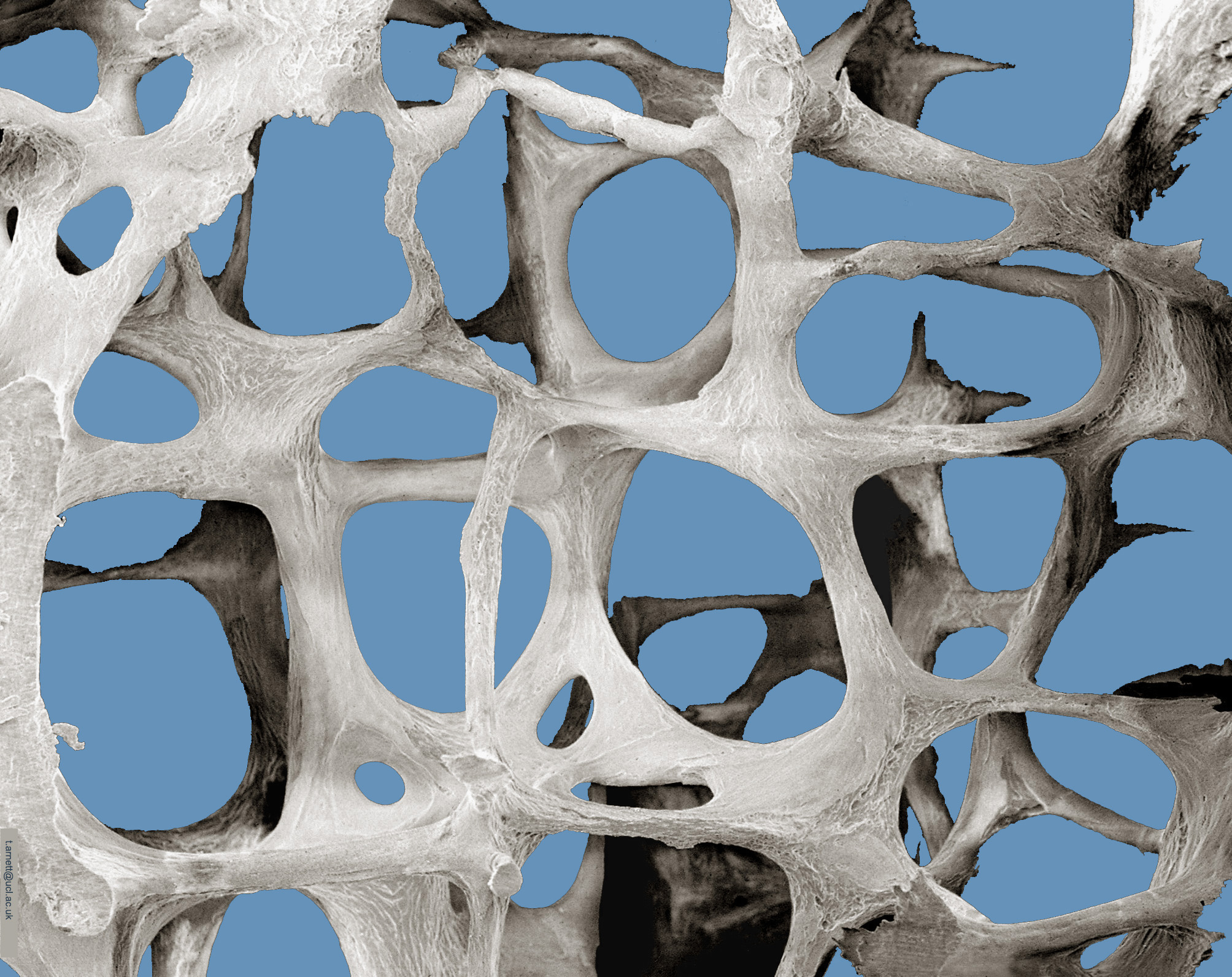
Investigating excellence
Three of SVI's researchers have been awarded prestigious NHMRC Investigator Grants to tackle bone disease, heart disease and rare diseases. These grants are awarded Australia's highest achieving researchers.

SVI donors show their love of science
Six young scientists will be able to pursue new projects in 2023, thanks to the commitment and generosity of SVI’s philanthropic donors who attended the recent For the Love of Science dinner.
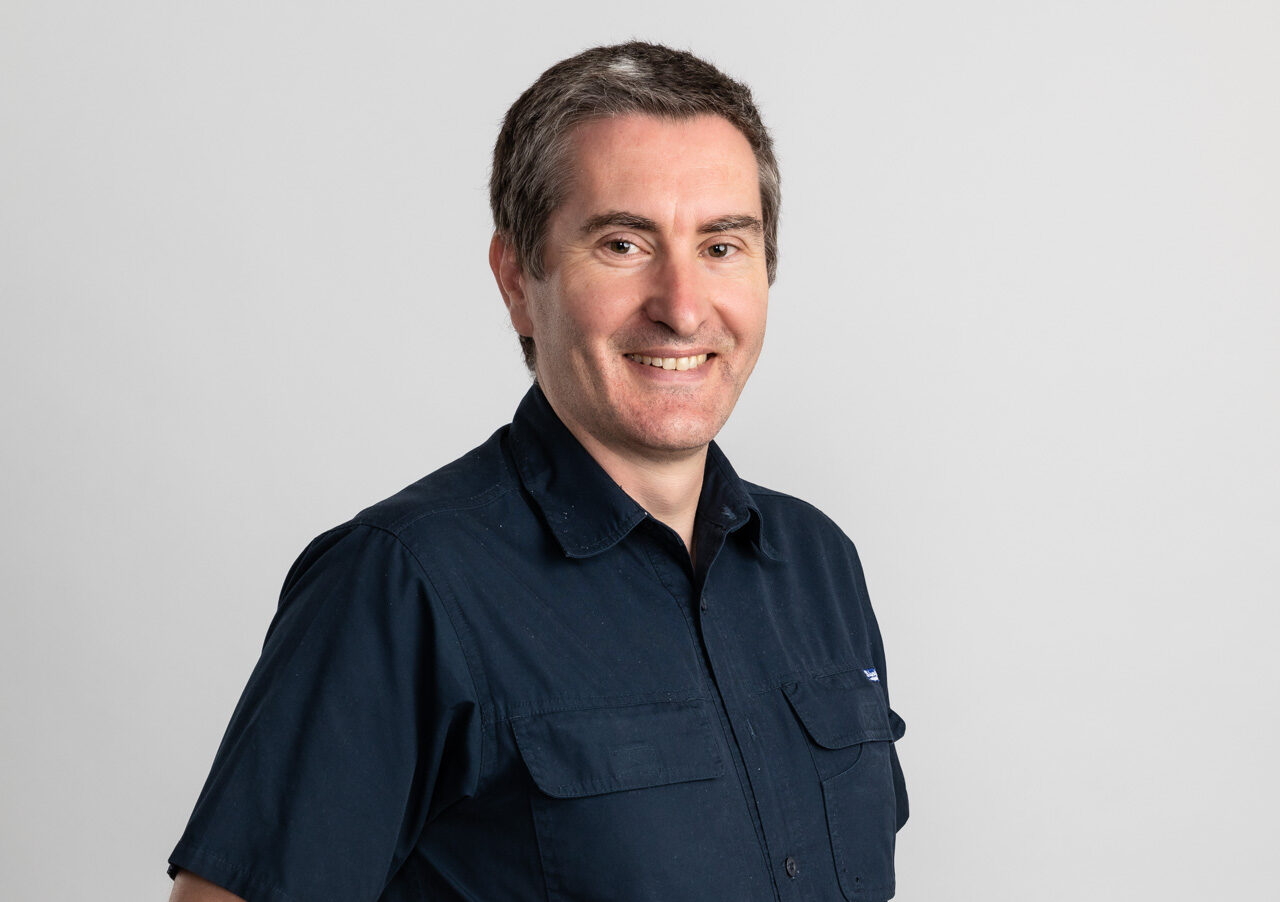
NHMRC grant awarded to Professor Carl Walkley
Professor Carl Walkley’s research aimed at understanding the role of cellular RNA editing received a $2.3M boost with an Investigator Grant from the National Health and Medical Research Council (NHMRC), announced yesterday by the Federal Minister for Health and Aged Care, Mark Butler.

New grants for immune cell and bone research
Two new Australian Research Council grants awarded to SVI scientists will help define why immunity differs from person to person, and why bone strength declines as we age.
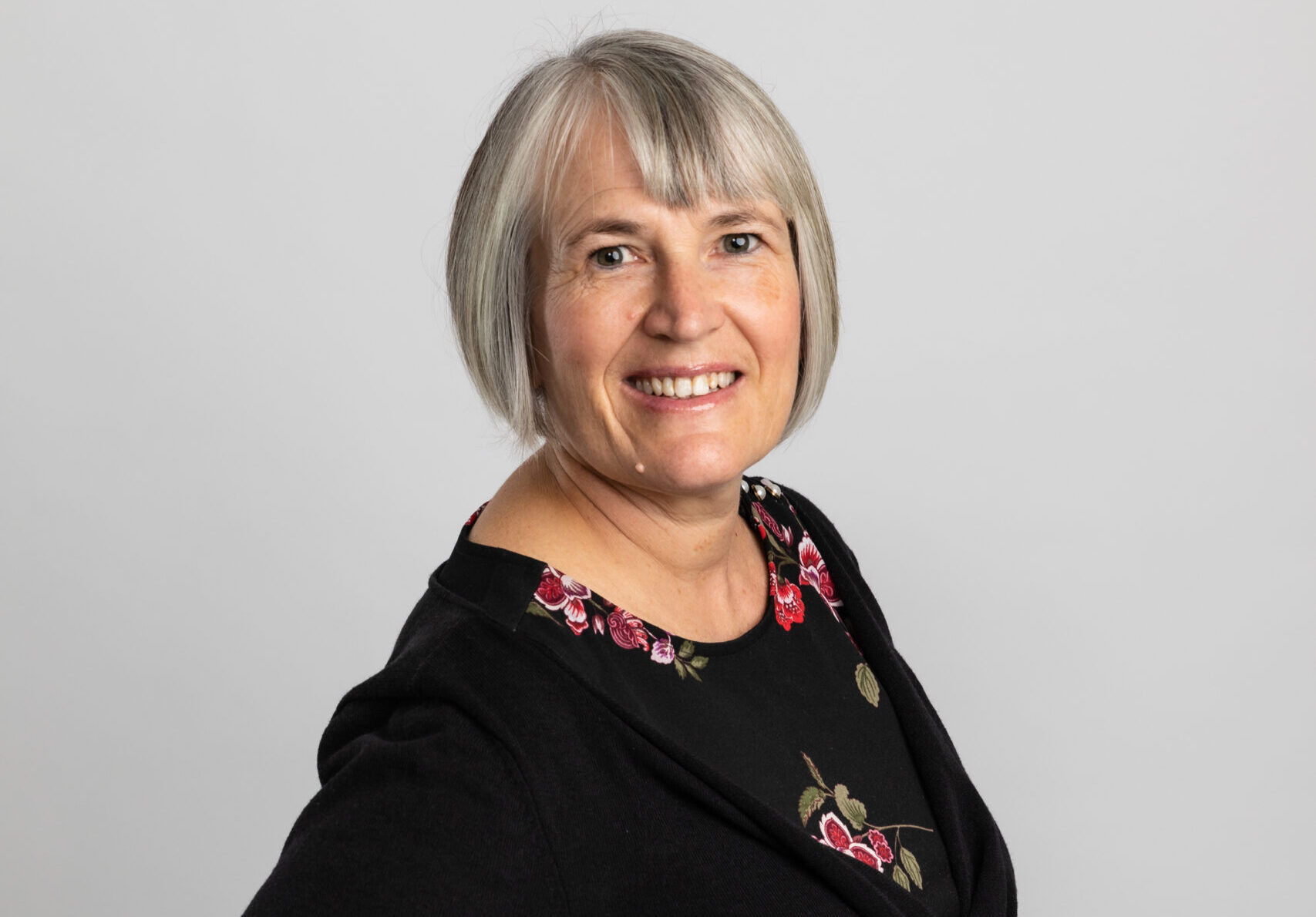
Cancer Australia takes project to next level
Professor Louise Purton, one of Australia’s leading blood disease researchers, has recently been awarded a Cancer Australia grant to improve therapies for myelodysplastic syndromes (MDS).
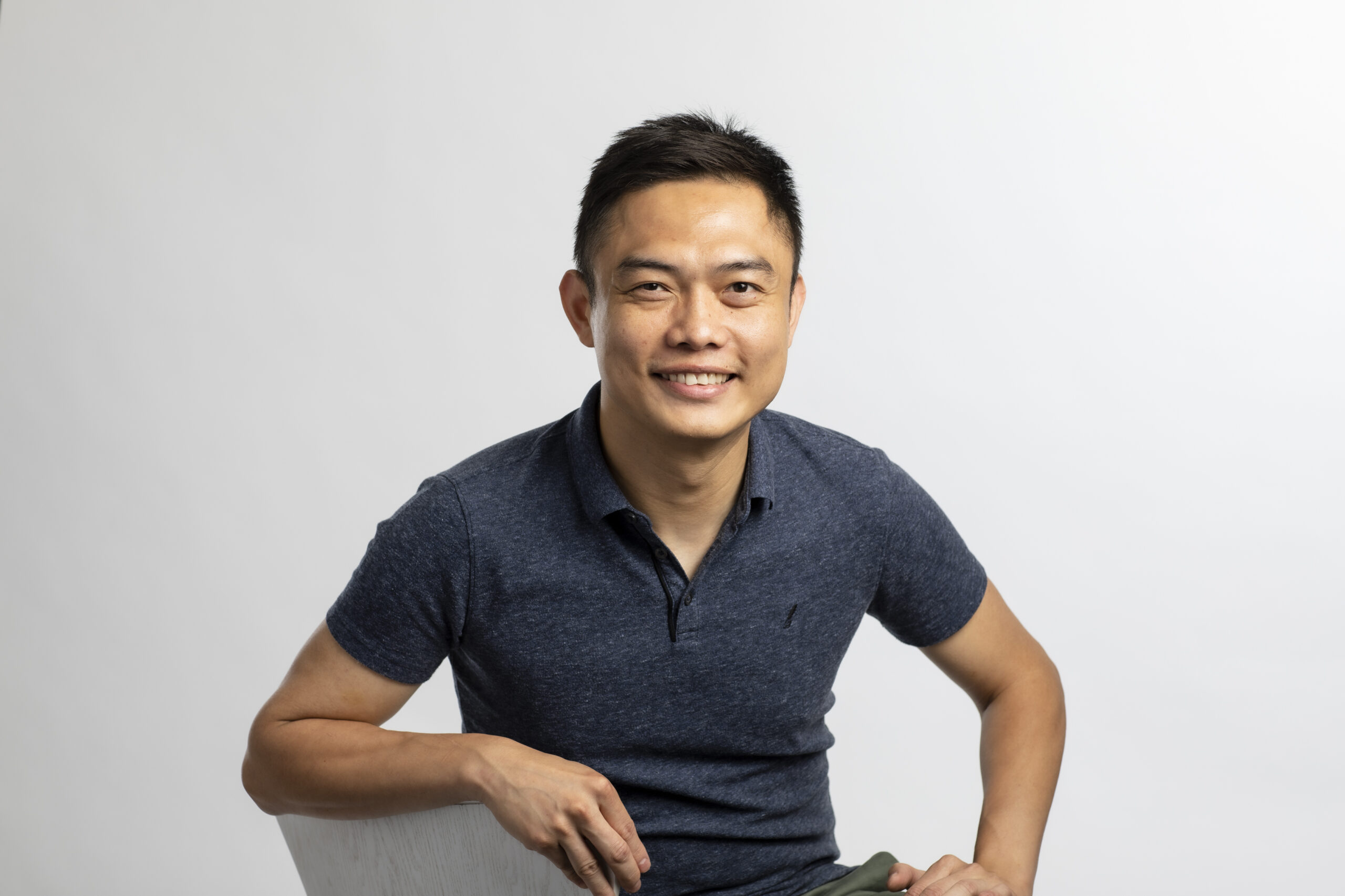
Funding boost for heart repair research
A two-year grant announced today from the Medical Research Future Fund’s Cardiovascular Health Mission will support a team led by SVI’s Dr Shiang (Max) Lim to develop stem cell-based therapy for people suffering heart attack.
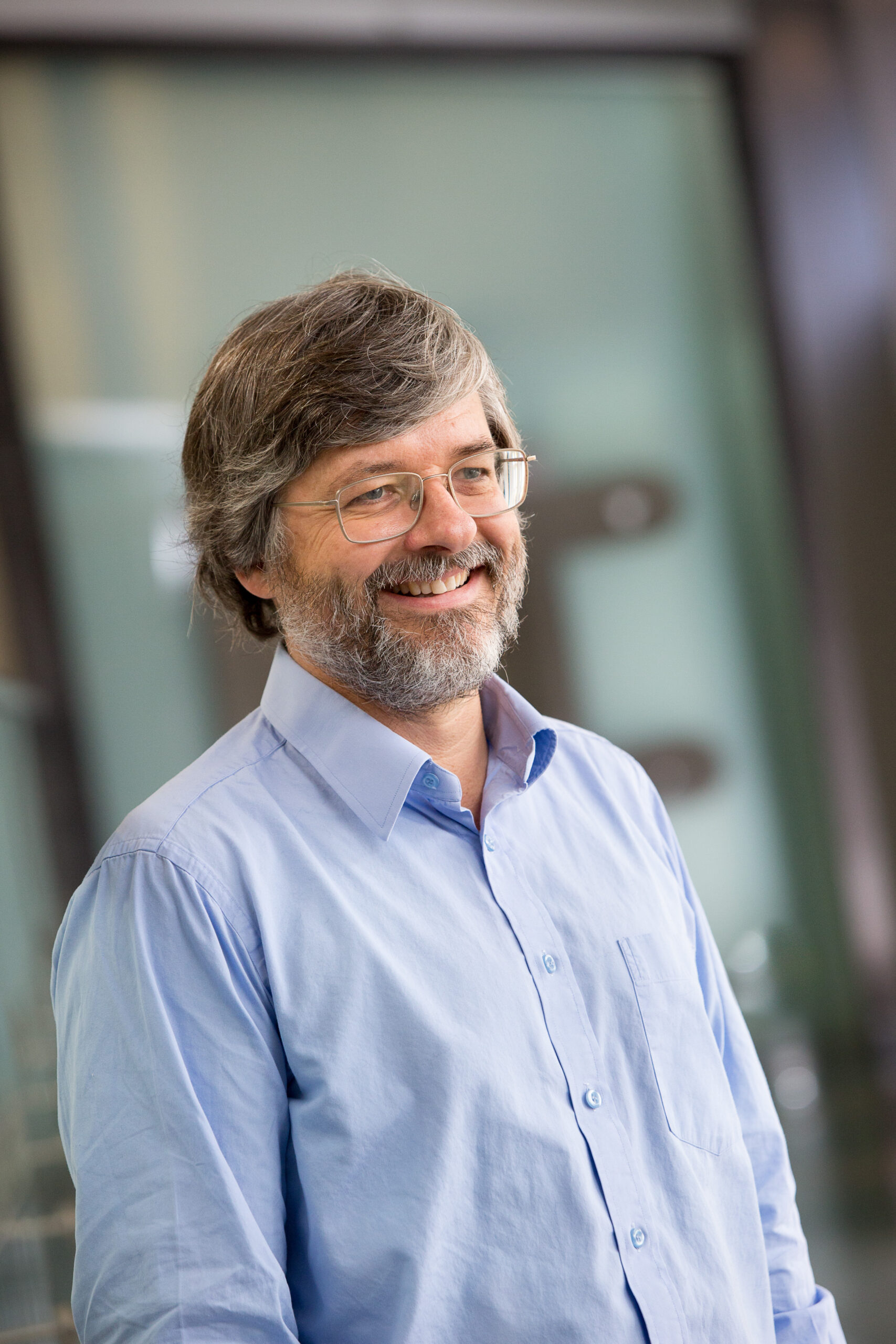
Targeting immune cells to treat Alzheimer’s
In the search for new treatments, Professor Michael Parker and his team at SVI have focused on different ways that the power of specialised immune cells in the brain – called microglia – can be harnessed.

New Fellowship supports gene editing research
SVI's Dr Astrid Glaser has been awarded the Inaugural Captain Courageous Fellowship, for research focused on developing a new treatment path for the genetic condition, Fanconi Anaemia.
Brain study leads to bone discovery
A study led by Monash University has resulted in a new area of scientific inquiry for SVI’s Deputy Director and leading bone biologist, Professor Natalie Sims.

Unexpected discovery offers rare disease hope
Scientists at SVI have made a ‘surprising’ new finding that may support improved screening, diagnosis and treatment targets for the rare and fatal genetic condition MMIHS (also known as Berdon Syndrome).
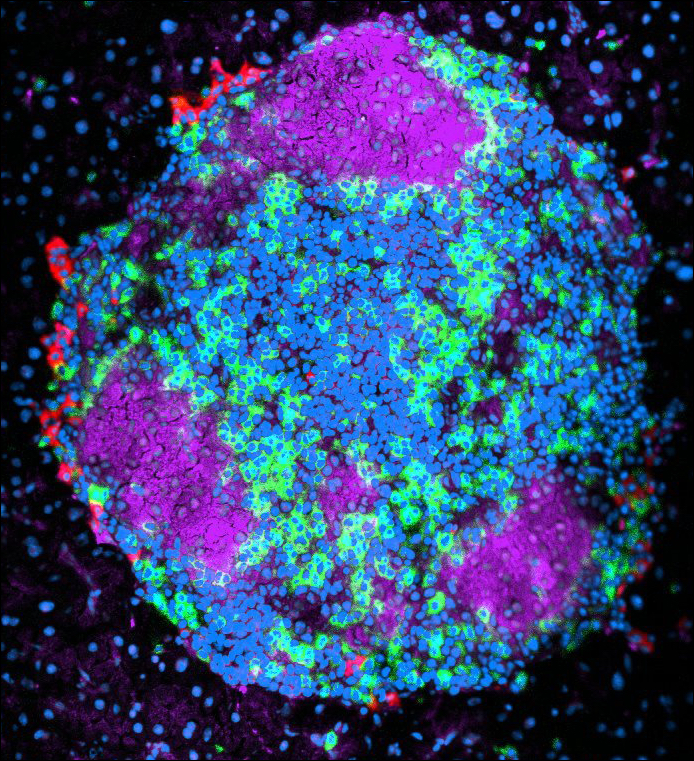
mRNA research could be key to type 1 diabetes treatment
A team led by SVI’s Associate Professor Mark Chong, has been awarded a two-year grant from the Victorian Government’s new mRNA Research Acceleration Fund to push forward development of an Australian-first mRNA-based treatment for type 1 diabetes.
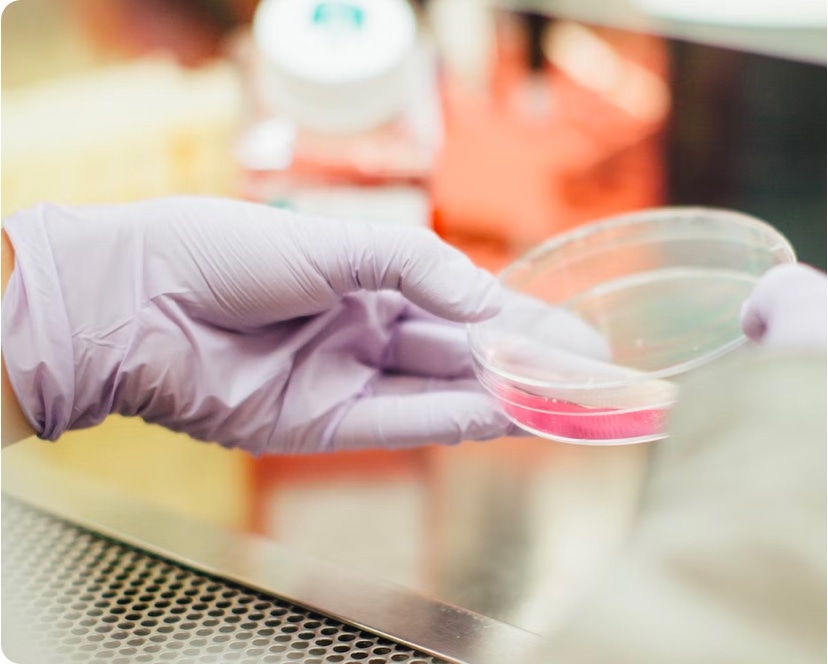
Testing the quality of a COVID RAT
Rapid antigen testing (RAT) for COVID-19 has quickly become a regular routine for many Australians, as a tool to support our return to schools, workplaces and ‘normal’ life.
Funding supports new approach to Alzheimer’s disease
A team led by SVI’s Professor Michael Parker was recently awarded a Faye Williams Innovation Grant from the Dementia Australia Research Foundation, to support testing of a potential new approach to treating Alzheimer’s disease.