
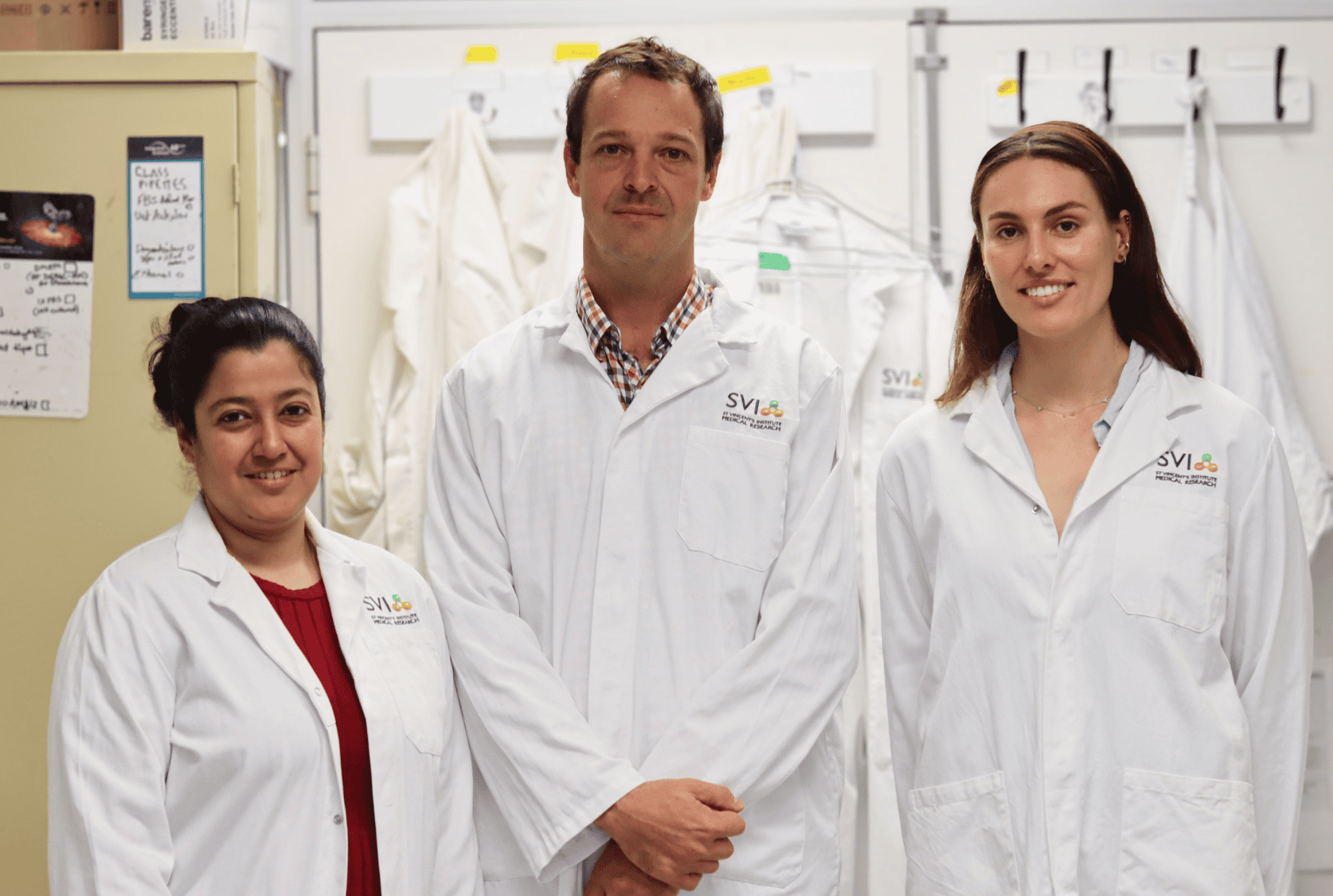
Uncovering hidden genetics to transform rare disease diagnosis
An SVI-led research team has been awarded a National Health and Medical Research Council Ideas Grant to tackle one of the most persistent challenges faced by people with a heritable condition called Fanconi anaemia: identifying its genetic causes to improve diagnosis and care.
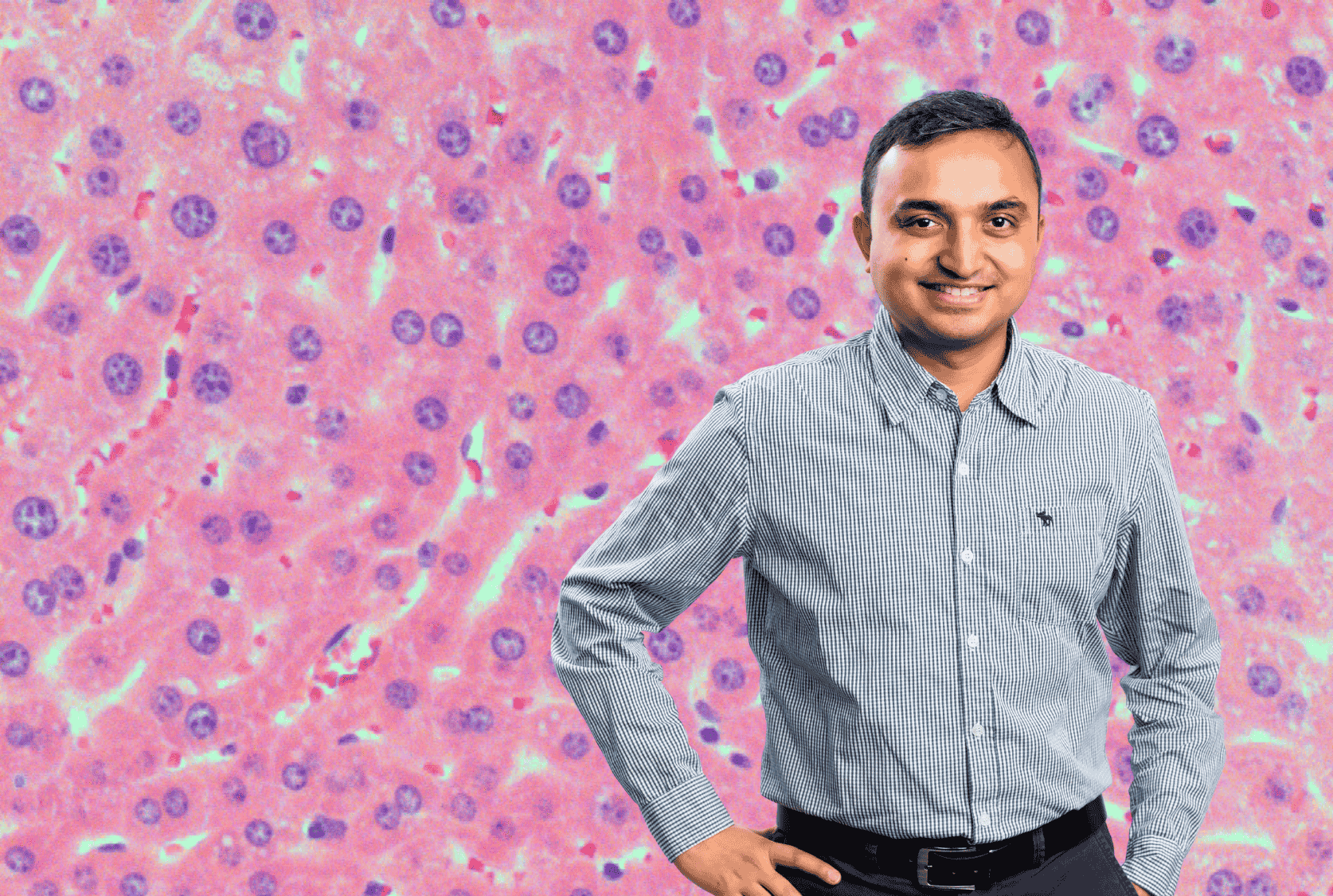
Dr Prerak Trivedi awarded two-year fellowship for type 1 diabetes immunotherapy research
Dr Prerak Trivedi from SVI’s Immunology & Diabetes Unit has been named one of seven recipients of a Breakthrough T1D Early Career Basic Researcher Fellowship.
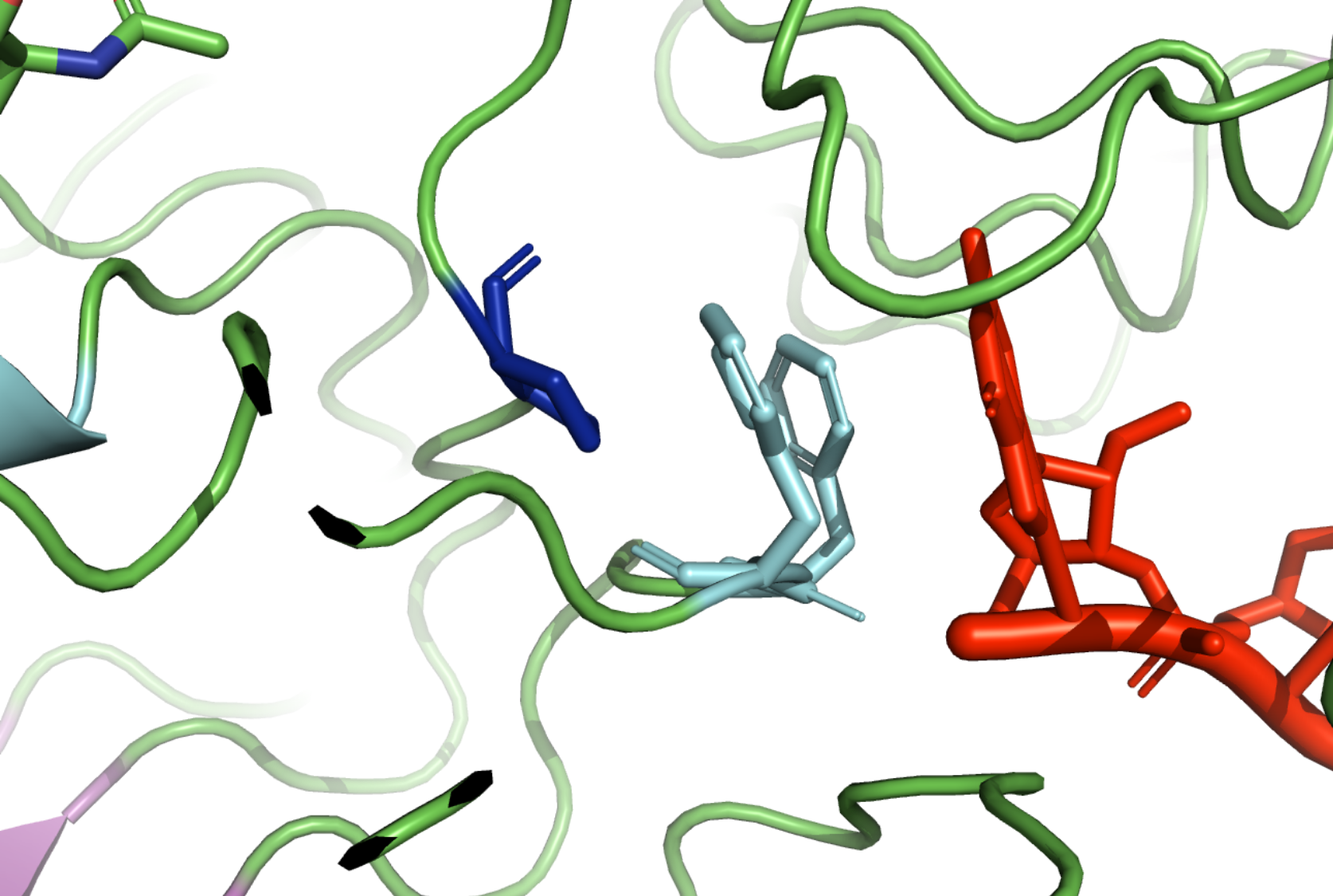
Tiny RNA fragments open new pathway for treating autoimmune disease
An international study has revealed that tiny fragments of RNA play a critical role in keeping the immune system in check, opening new possibilities for treating autoimmune diseases like lupus, psoriasis and rheumatoid arthritis.

Why exercise is harder after breast cancer: SVI researcher receives award for latest findings
SVI researcher Dr Steve Foulkes has earned international recognition for research that is reshaping how clinicians understand exercise intolerance in people affected by cancer and heart disease.
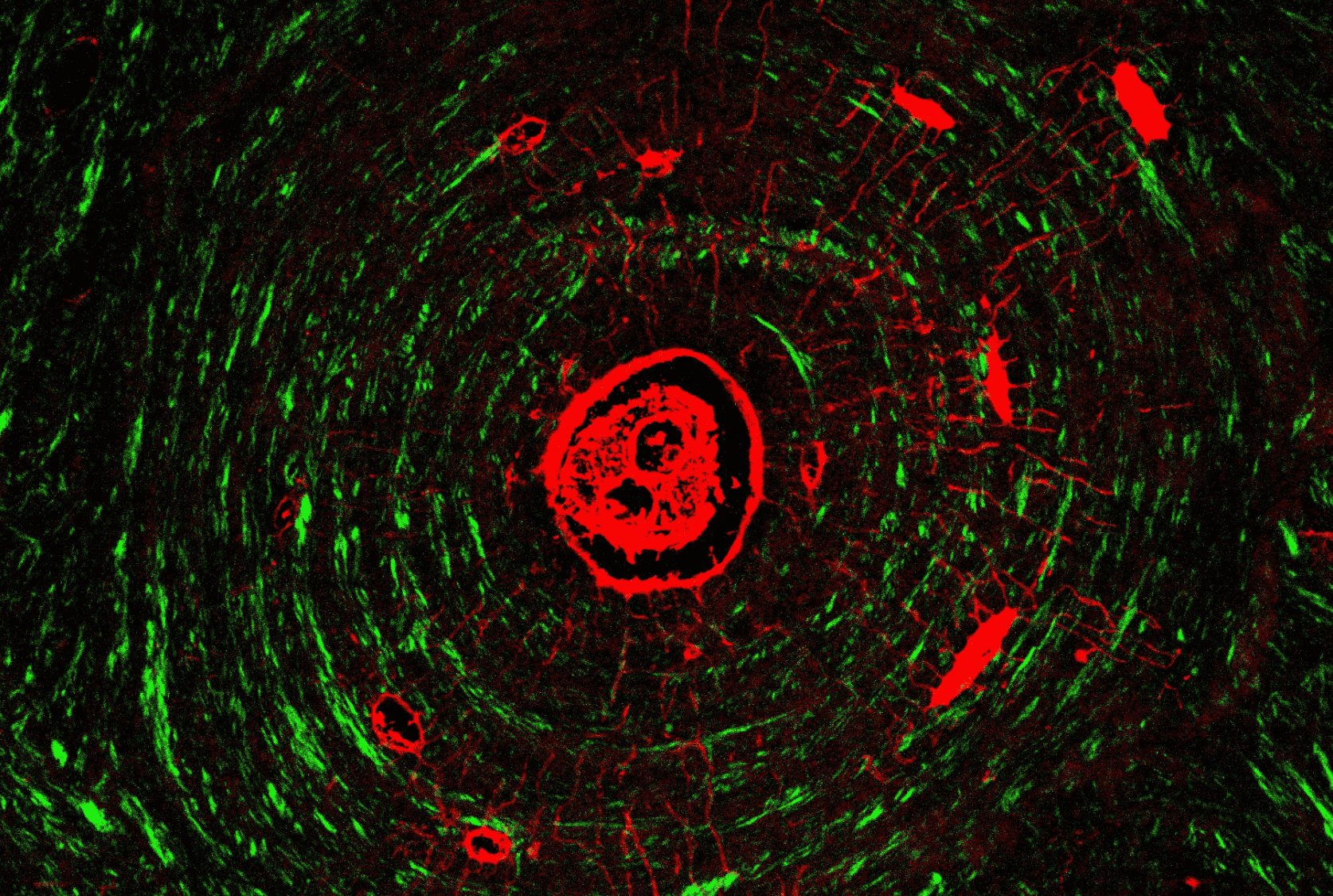
New insight into bone ageing in women earns national award
SVI PhD student Mary Louise Fac has taken home the Roger Melick Young Investigator Award from the Australia and New Zealand Bone and Mineral Society (ANZBMS).
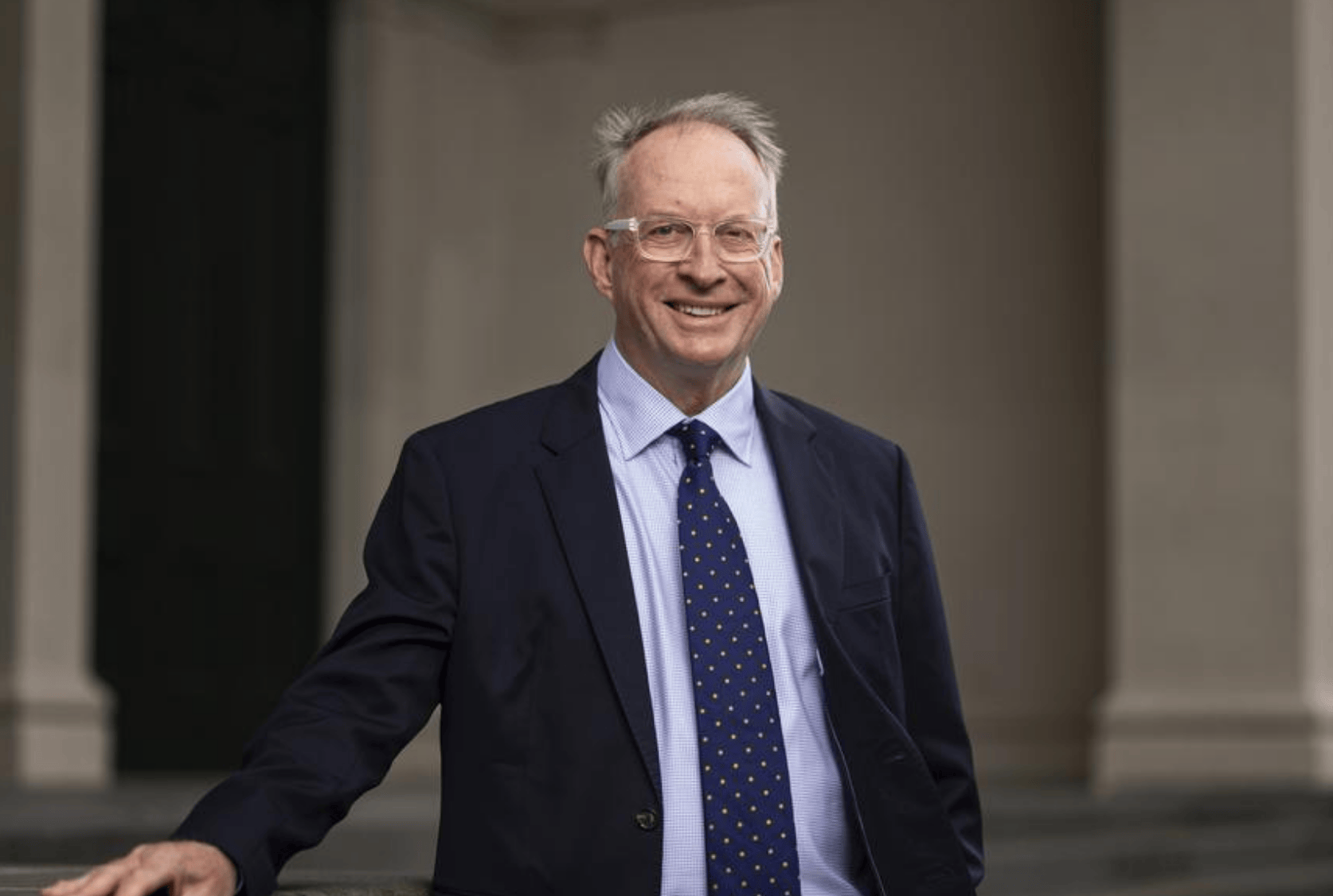
Paul Ramadge to join SVI Foundation Board
The SVI Foundation is welcoming respected Australian leader Paul Ramadge to its Board, highlighting his breadth of experience across media, education, international collaboration and philanthropy.
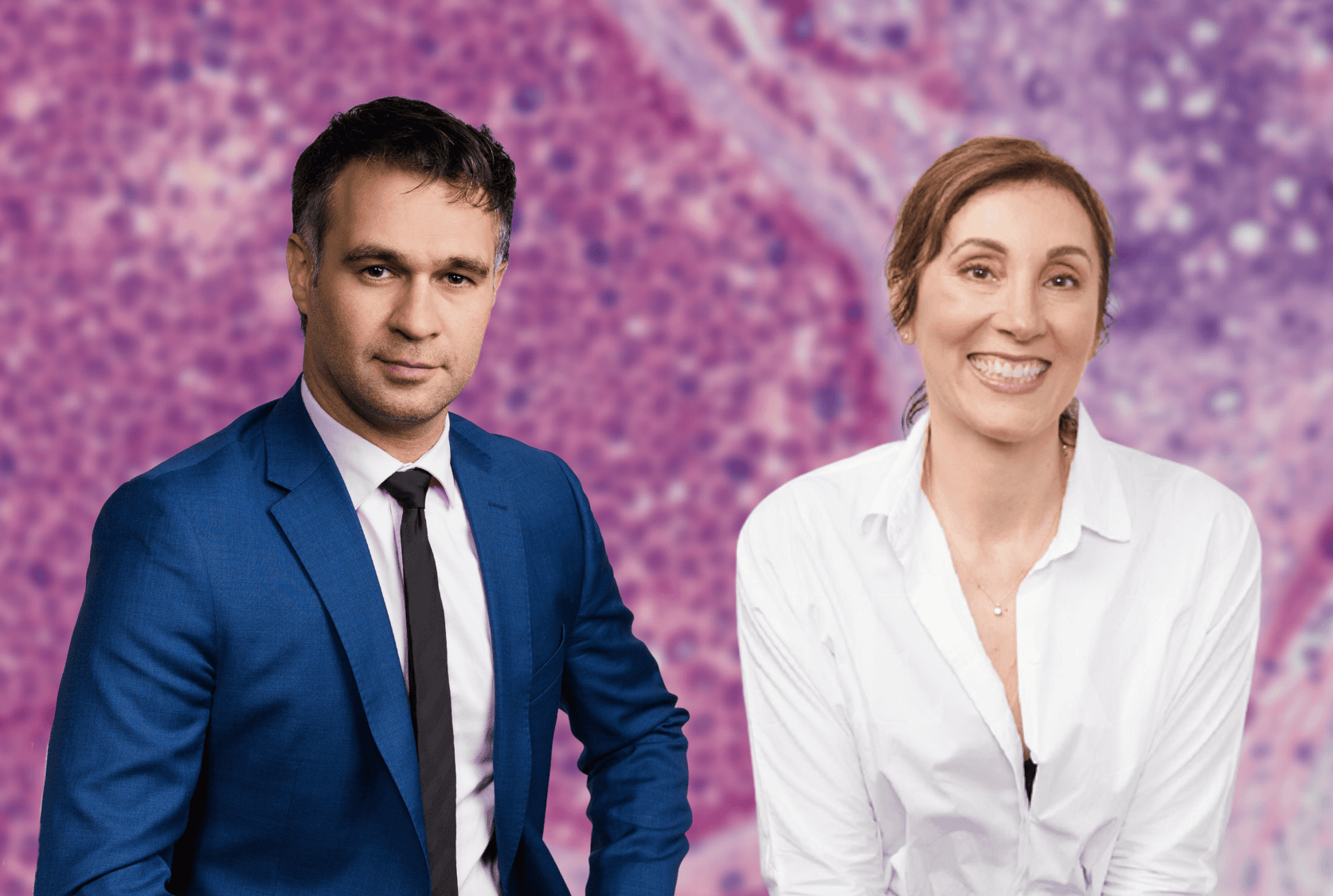
Paradigm-shifting research to underscore Australia’s first Centre of Research Excellence for lymphatic diseases
SVI researchers Associate Professor Ramin Shayan and Dr Tara Karnezis are helping establish the new Centre of Research Excellence (CRE) for Lymphoedema and Lymphatic Regeneration.

New funding to advance DNA repair and cancer treatment research at SVI
SVI is welcoming DNA damage and repair researcher Dr Rebecca Smith, thanks to funding from the Cancer Council Victoria’s Cancer Research Fellowship Victoria Program, announced today.

Pioneering microsurgery: NHMRC-funded research leads to life-changing medical innovations
The National Health and Medical Research Council (NHMRC) is highlighting the far-reaching impact of Australian medical research through a new series of case studies, developed in partnership with leading institutions across the country.

BioMed Link Conference brings emerging researchers together
This year’s student-led BioMed Link Conference brought together around 80 biomedical science students from 15 institutions, creating a vibrant space for connection, collaboration and skill-building across universities.
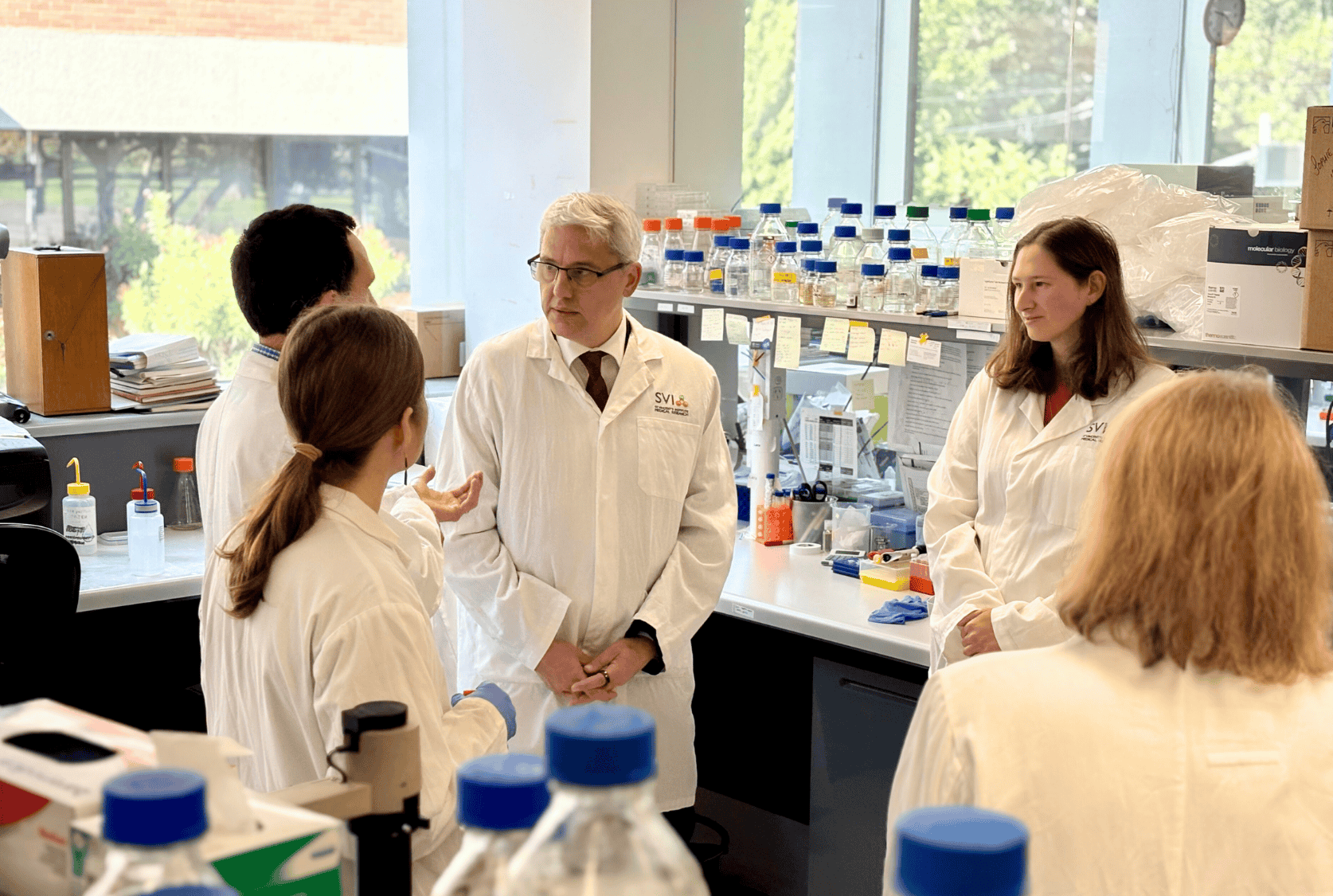
SVI scientists unlock cause of Fanconi anaemia and advance new gene-editing therapy for children
SVI researchers have made a breakthrough in understanding why children with Fanconi anaemia (FA) develop life-threatening bone marrow failure – while also showing that cutting-edge gene-editing technologies may one day offer a safer, more effective treatment.

Shutting down cancer’s protein factories: Kezia’s search for new multiple myeloma treatments
PhD student Kezia Gitareja is studying a new way to stop multiple myeloma, a type of blood cancer that affects the cells in our bone marrow.
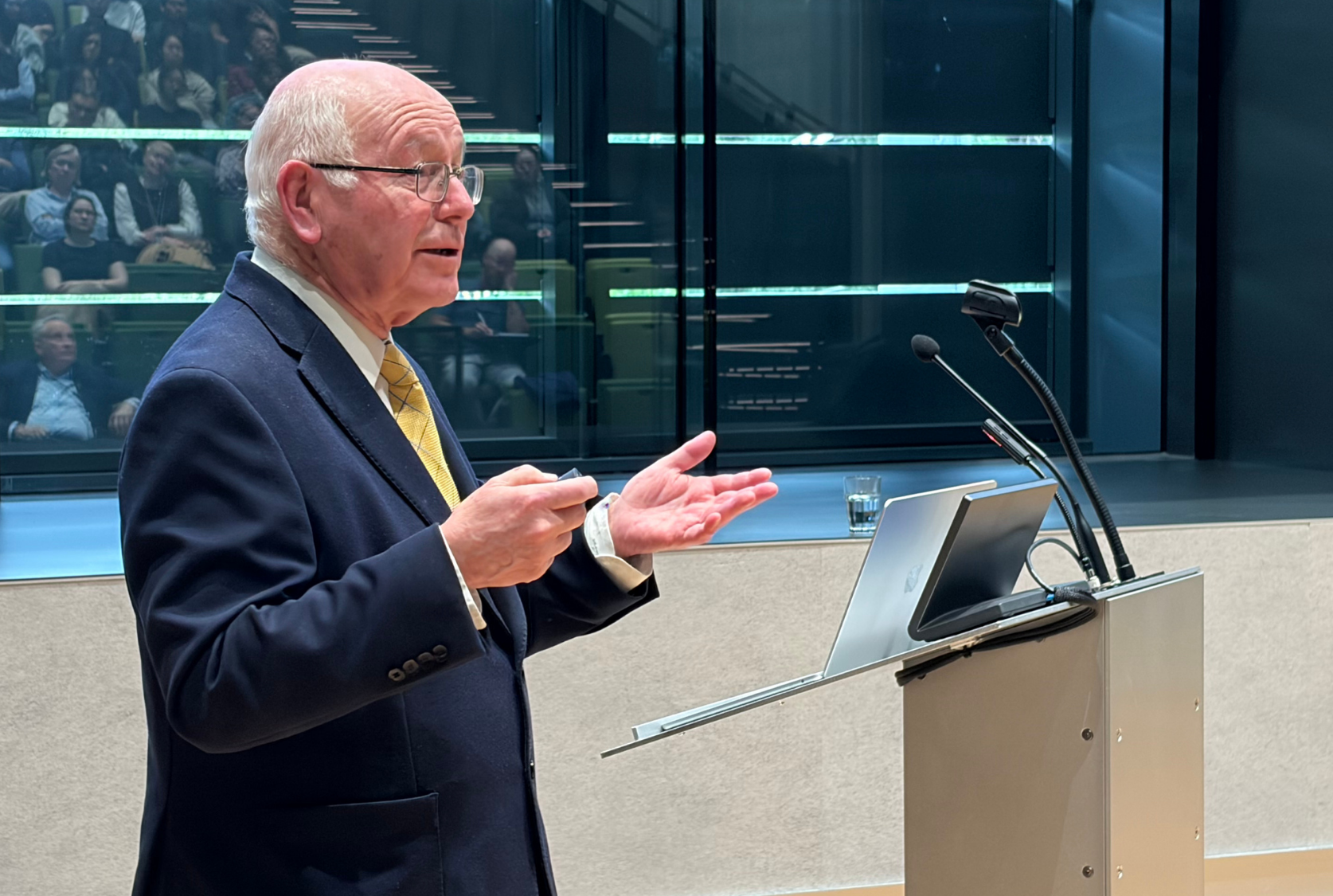
World-leading biochemist Sir Philip Cohen brings global expertise to SVI
SVI had the honour of hosting Professor Sir Philip Cohen, a scientist whose discoveries have shaped modern biology, for a special seminar this week.

From kangaroos to humans: Genes behind marsupial faces offer clues to how mammals evolved
Scientists studying the fat-tailed dunnart, a tiny Australian marsupial, have uncovered genetic clues that explain how different mammals develop their facial features.
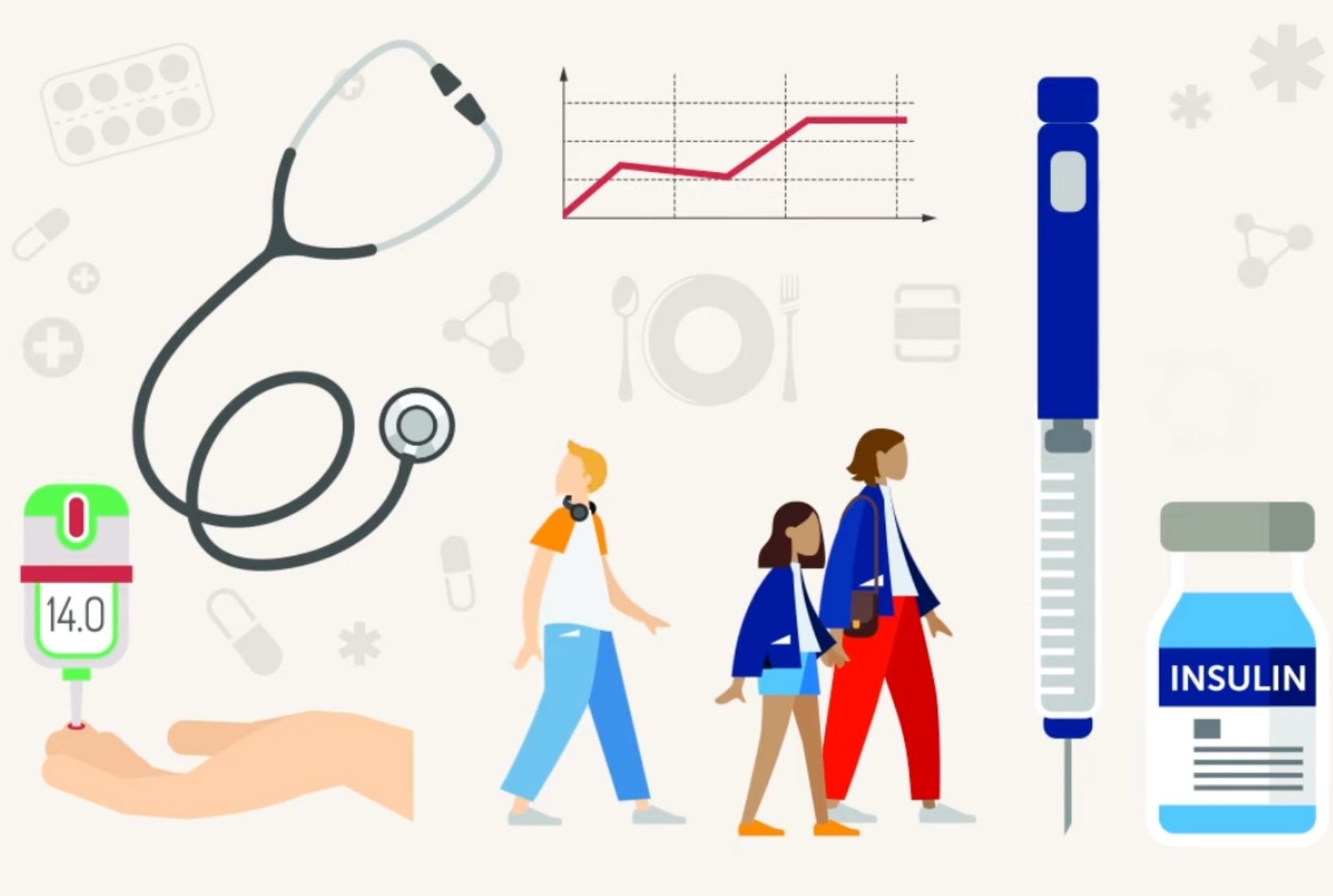
SVI discovery leads to global clinical trials to prevent type 1 diabetes
Building on SVI research from the BANDIT trial, Eli Lilly has announced the launch of the BARICADE Phase 3 trials.
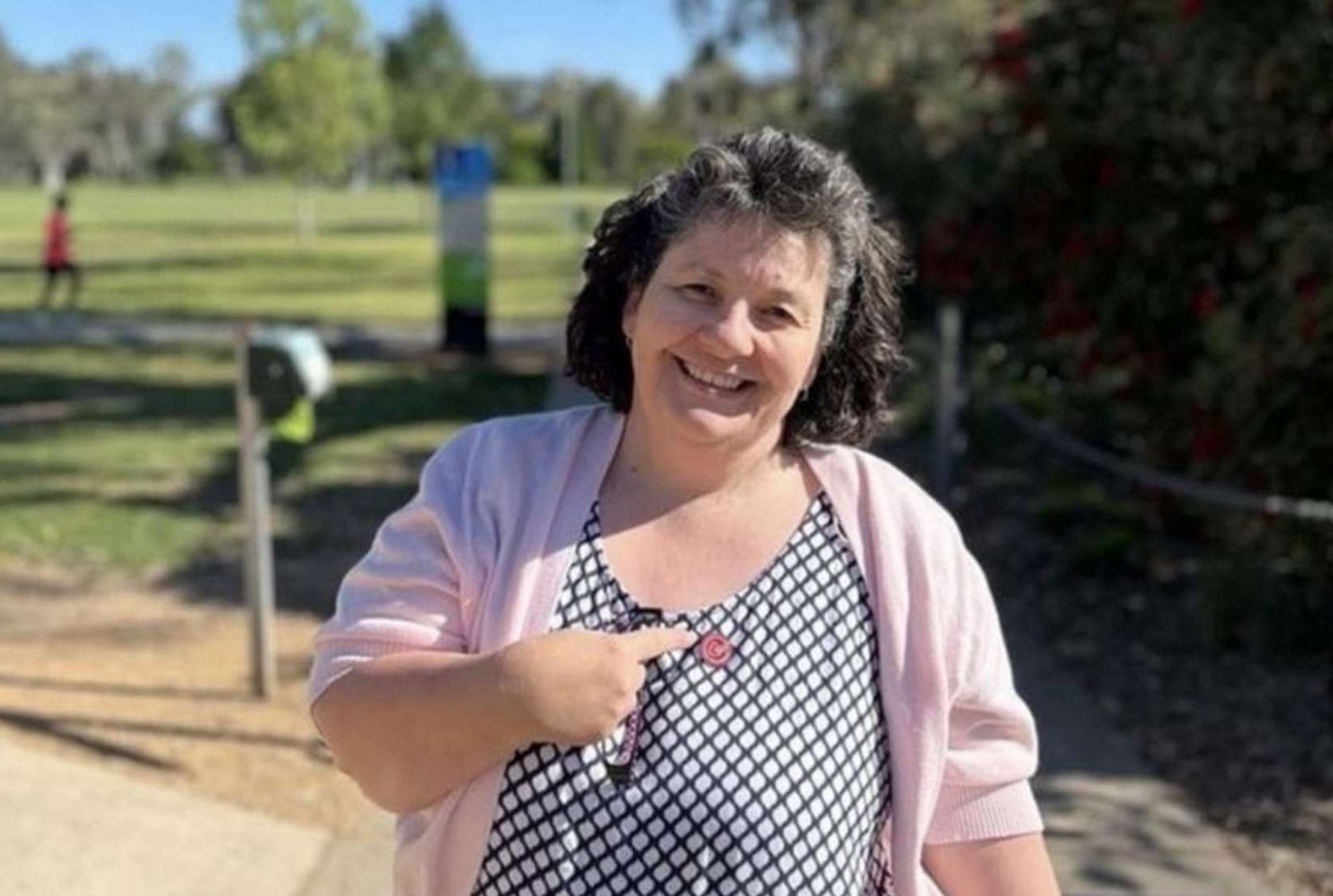
Help change the future for women with lipoedema
Through her raffle fundraiser, Jedda Hindmarsh is helping to drive awareness, advance scientific discovery, and give hope to others living with lipoedema.

The race that never ends
Once a champion trainer on the track, Jack Holt became a champion for medical research – a race for cures that continues today.
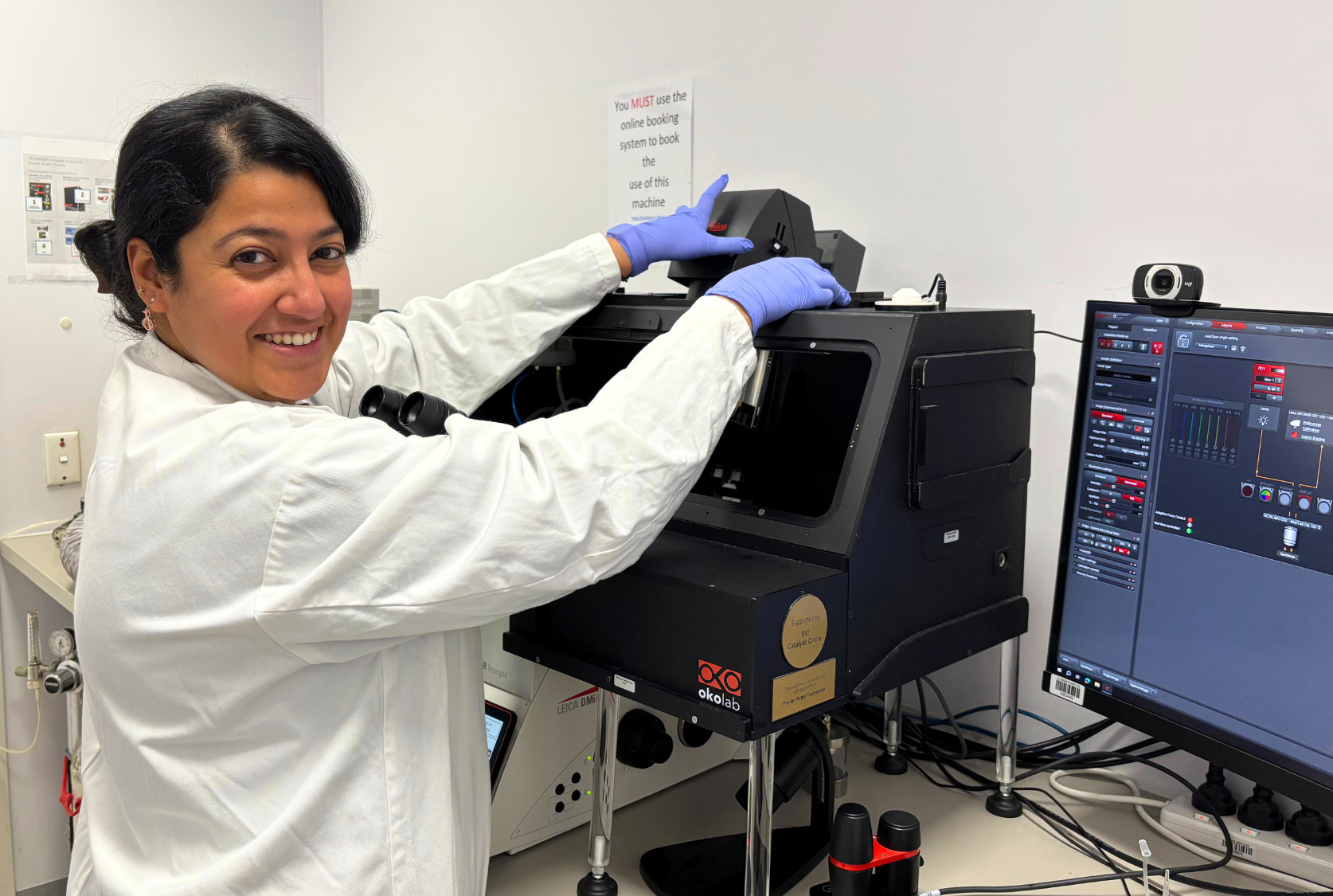
Unravelling Fanconi anaemia: SVI researcher brings new hope for genetic conditions
Dr Chirantani Mukherjee is working to understand how Fanconi anaemia develops at the genetic level to design better diagnostics and, ultimately, better treatments.
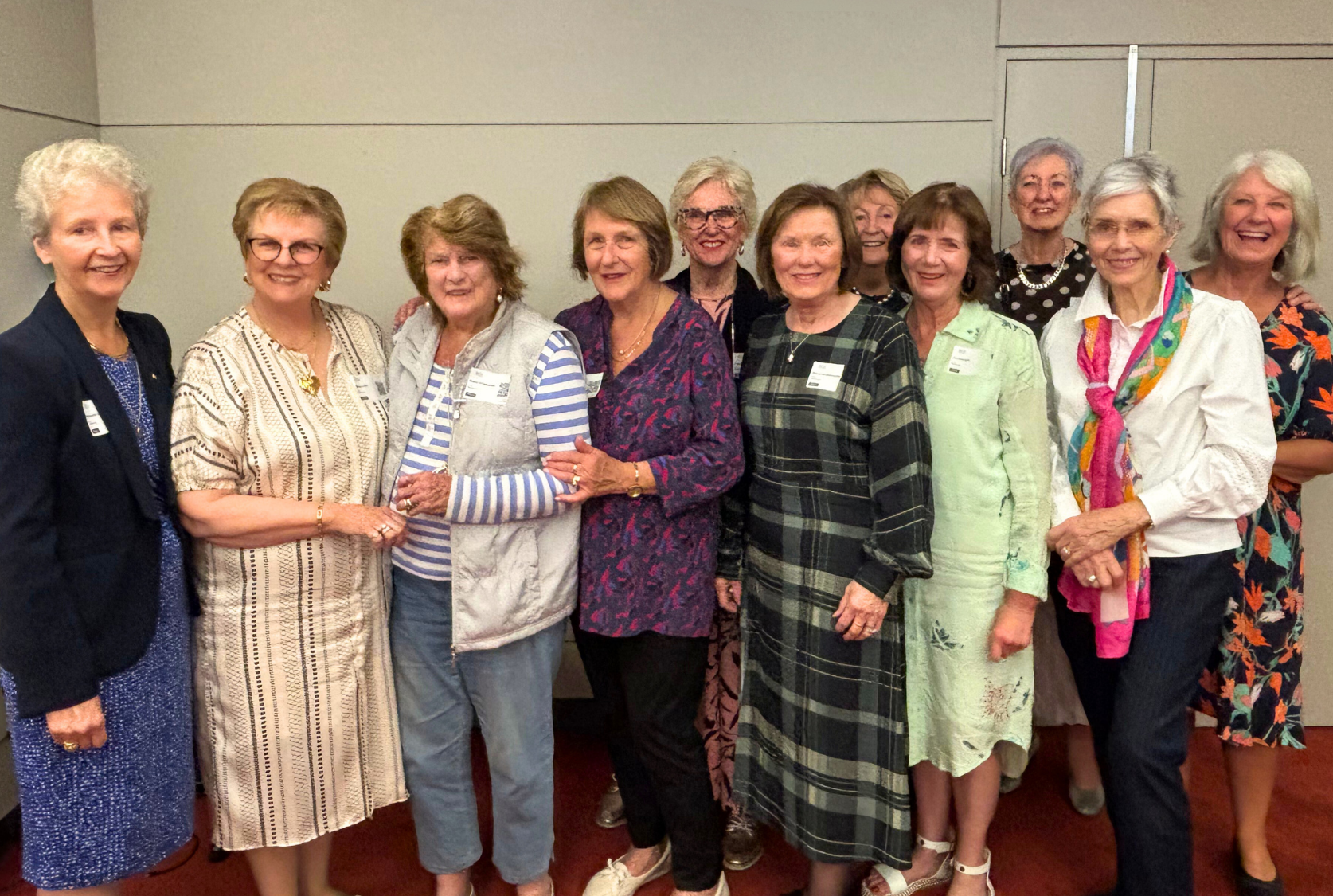
A 35-year legacy of impact and generosity
SVI paid tribute to more than three decades of extraordinary dedication from its SVI Support Group, marking a milestone moment in the Institute’s history.
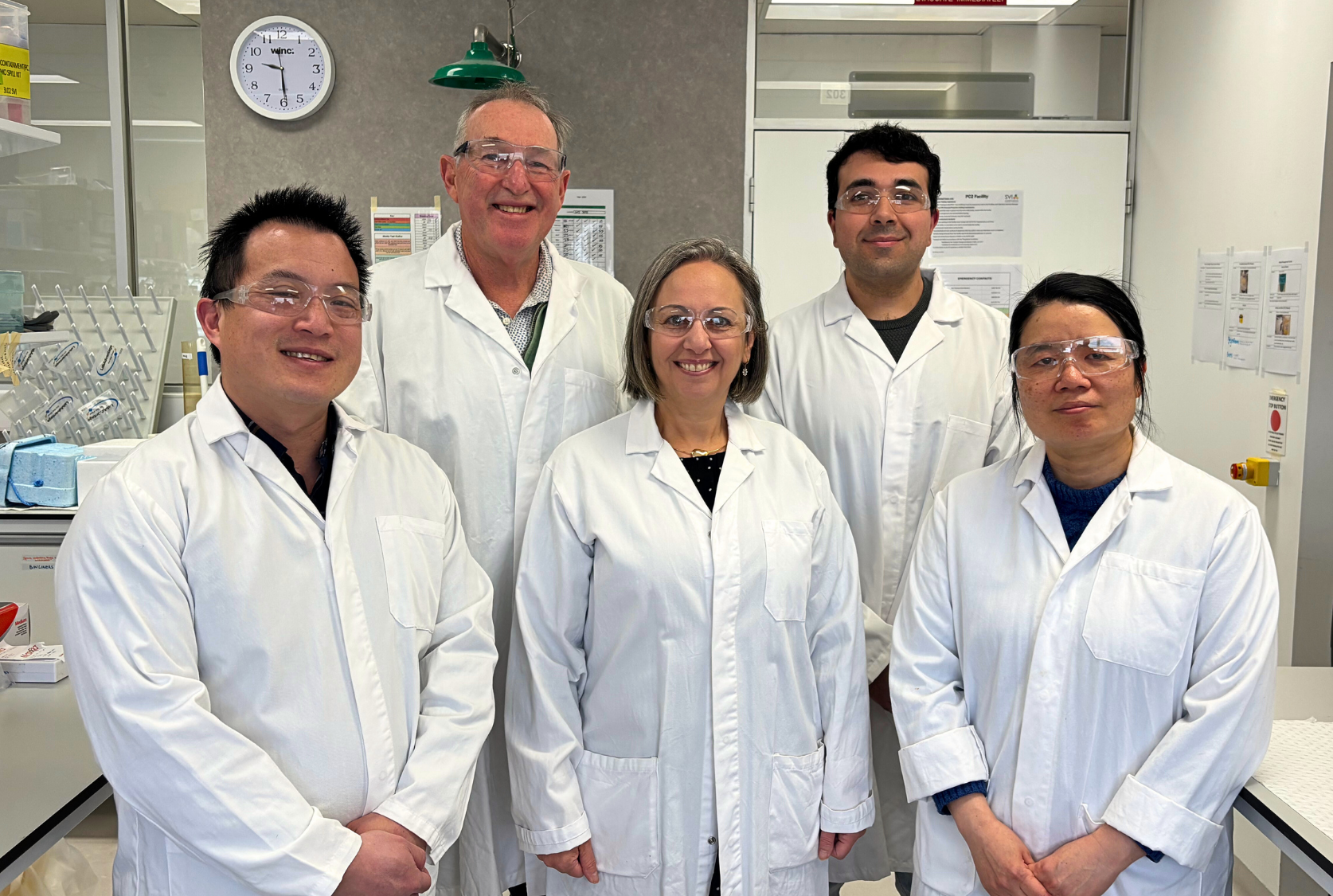
New finding reveals how ovarian cancer cells evade treatment – and how to stop them
A breakthrough led by SVI’s Carmelo Cerra and Dr. Jian Kang has uncovered how certain ovarian cancer cells survive treatment, and more importantly, how they can be eliminated.