

Vascular Biology Lab receives grant to advance complex wound treatments
The SVI Vascular Biology team have received a generous research grant from the LEO Foundation, Denmark, an organisation dedicated to curing skin diseases across the globe.

Better support for bone health research
Dr. Haniyeh Hemmatian is the latest recipient of SVI's Rising Star Fellowship. The generous donation will help bolster research into understanding the underlying causes of bone-loss related diseases.

Cardiologist brings awareness to the heartbreaking toll of sudden cardiac death
Professor André La Gerche, Head of the Heart Exercise And Research Trials (HEART) Lab, recently appeared on the lab’s podcast to discuss the little-known impacts of sudden cardiac death (SCD).
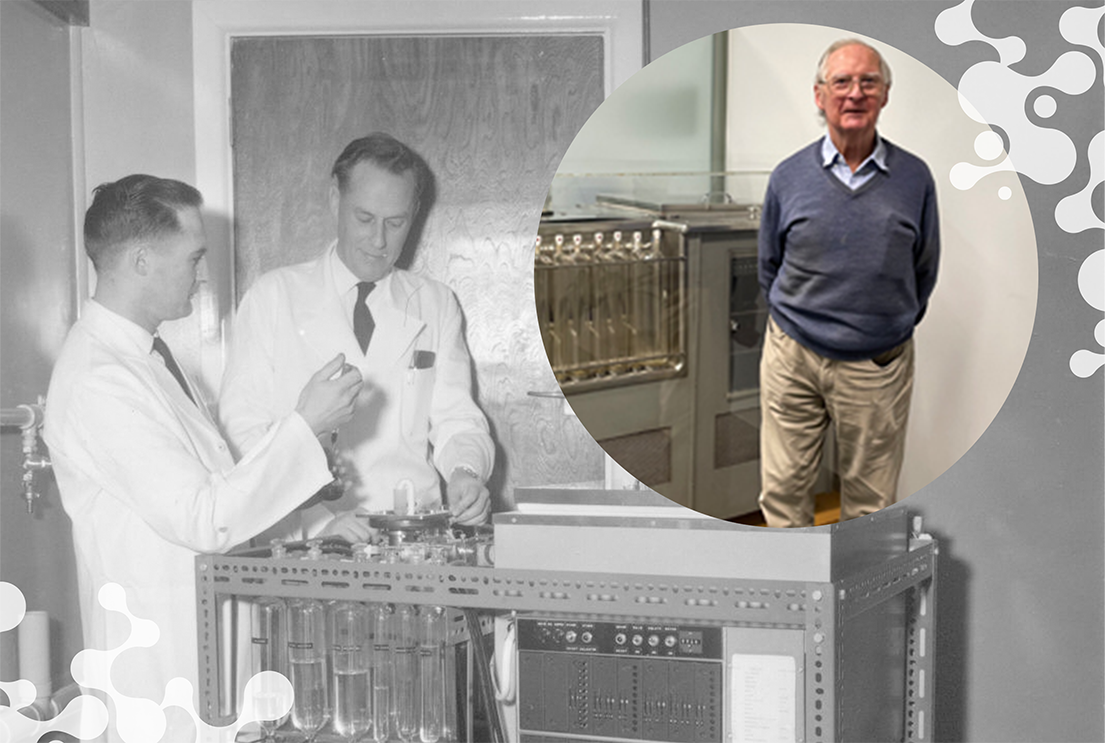
Geoff Begg, biomedical technology pioneer, visits SVI
Former SVI laboratory assistant and pioneer of protein sequencing, Geoff Begg, recently returned to the Institute to visit the fruits of his labour, which take pride of place in SVI’s foyer.

New SVI Chair – Congrats Michael, Thanks Tony
After eight years of service as SVI Board Chair, Tony Reeves is handing the torch to fellow Board member, Michael Burn.

PhD student receives backing for pioneering immunotherapy research
PhD student Ben Turner in the Protein Chemistry and Metabolism Lab has received a generous Top-Up Scholarship from the Elaine Walters Foundation.

Putting the heat on cancer
SVI scientists have recently made an important discovery about how cells grow and handle stress, which could lead to new ways to treat cancer.
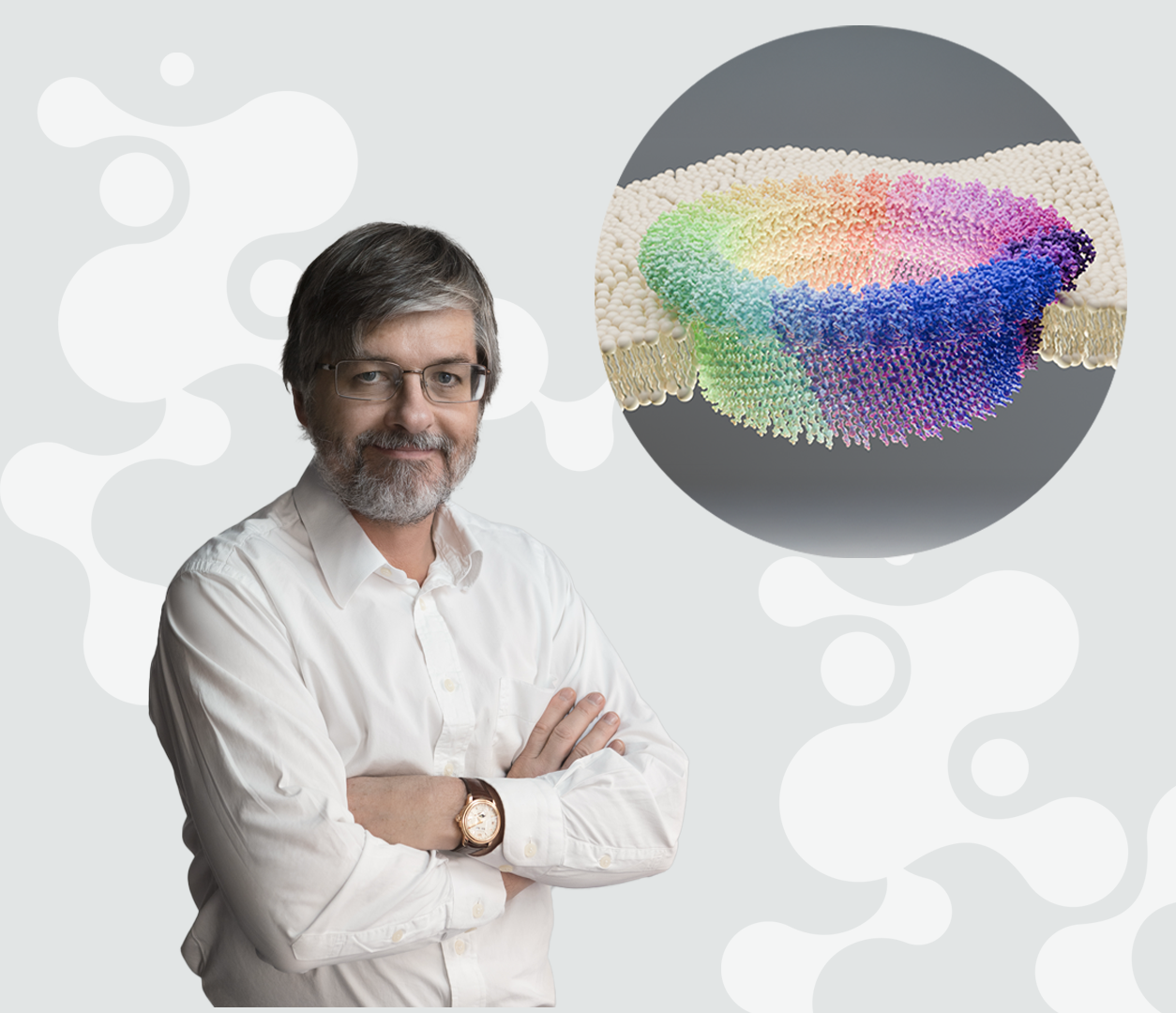
Scientists uncover how bacterial toxins drill deadly holes in cells – with surprising links to human immunity
SVI scientists have discovered a major superfamily of bacterial proteins that create enormous holes in cell membranes. This discovery marks an exciting step toward harnessing nature’s own molecular arsenal for future biomedical advancements.

Breakthrough blood test offers hope for early detection and treatment of type 1 diabetes in children
SVI scientists have developed a simple blood test – requiring just a small amount of blood – that can measure disease-causing immune responses associated with type 1 diabetes, potentially transforming the way the disease is detected and managed in children.

Laying the groundwork for new advances with IncuCyte technology
Thanks to our generous donors, SVI is laying the groundwork for new advances in diabetes, cancer and other diseases. On Wednesday 26 March, we came together to celebrate their contributions toward SVI's purchase of an IncuCyte Live Cell Imaging Platform, a cutting-edge tool that will significantly enhance our research efforts.

New blood for SVI Foundation Board
Two accomplished leaders, with skills in business, media, governance, and community service, have joined SVI’s Foundation Board. Kathryn Fink is the Director of Television at SBS, and Maree Davenport is a strategic advisor, author, and former Victorian MP.

Microbiome lab hits the ground running
The new Microbiome lab, a collaboration between SVI, St Vincent’s Hospital Melbourne, and the University of Melbourne, with support from The Australasian Gastro Intestinal Research Foundation (AGIRF), has wasted no time in commencing their groundbreaking research.
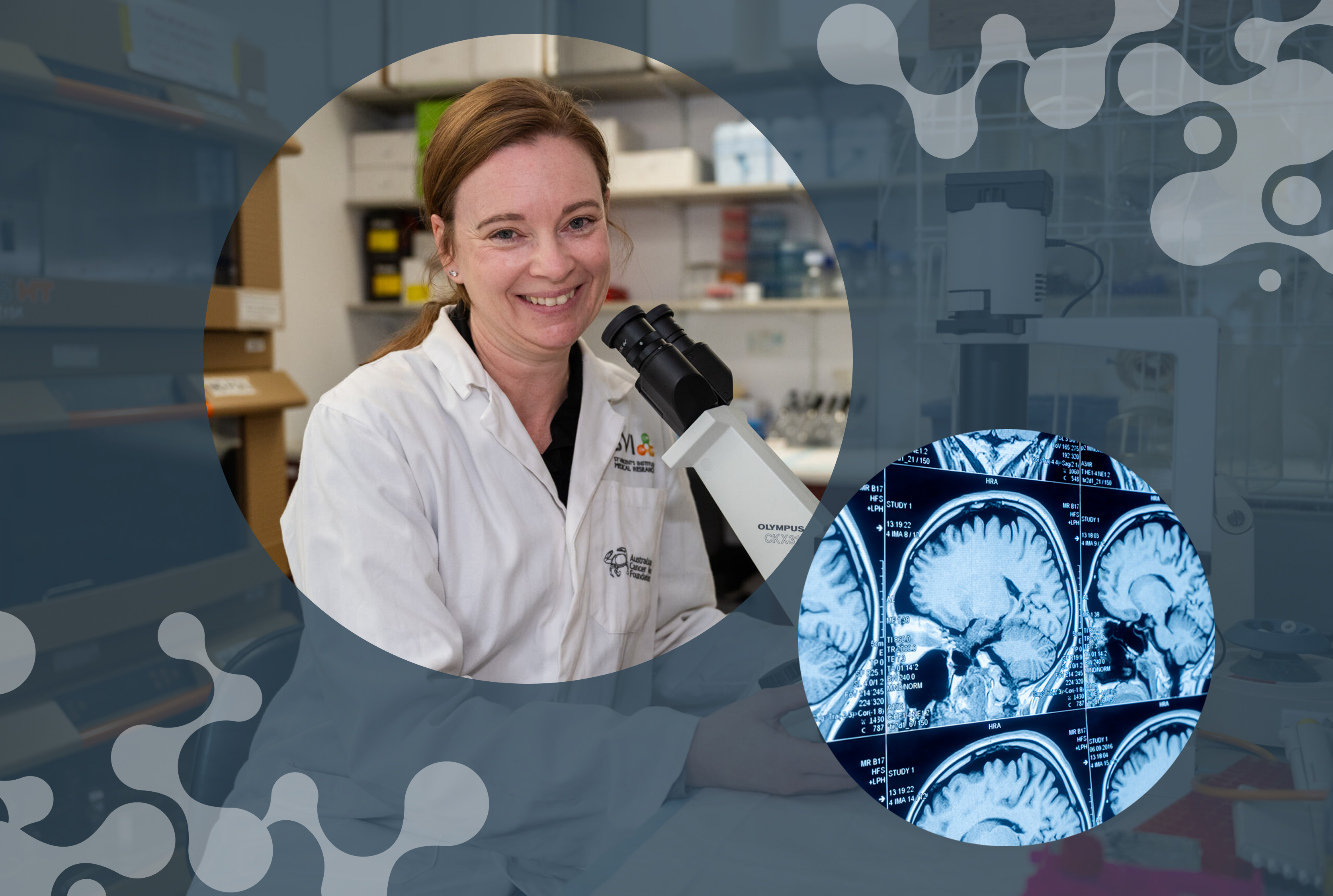
New grant helps pave the way for Alzheimer’s research
Dr Emma van der Westhuizen has received a grant from the National Foundation for Medical Research and Innovation (NFMRI) and the Mason Foundation (managed by Equity Trustees) to reach new frontiers in Alzheimer’s disease research.

For the Love of Science – à la française
On Valentine’s Day eve, SVI’s annual For the Love of Science dinner transported 250 passionate and generous supporters of medical research to the romantic streets of Paris at Fitzroy Town Hall.

Funding boost for innovative type 1 diabetes research
SVI's Dr Seigmund Lai has been awarded the prestigious Breakthrough T1D – formerly JDRF – Postdoctoral Fellowship, valued at $400,000 over three years.

‘Supercharged period of discovery’: Trio win backing
People affected by type 1 diabetes, cancer and lung disease are set to benefit from more than $6.5 million of funding awarded to three SVI scientists in the latest round of Investigator Grant funding from the National Health and Medical Research Council (NHMRC).
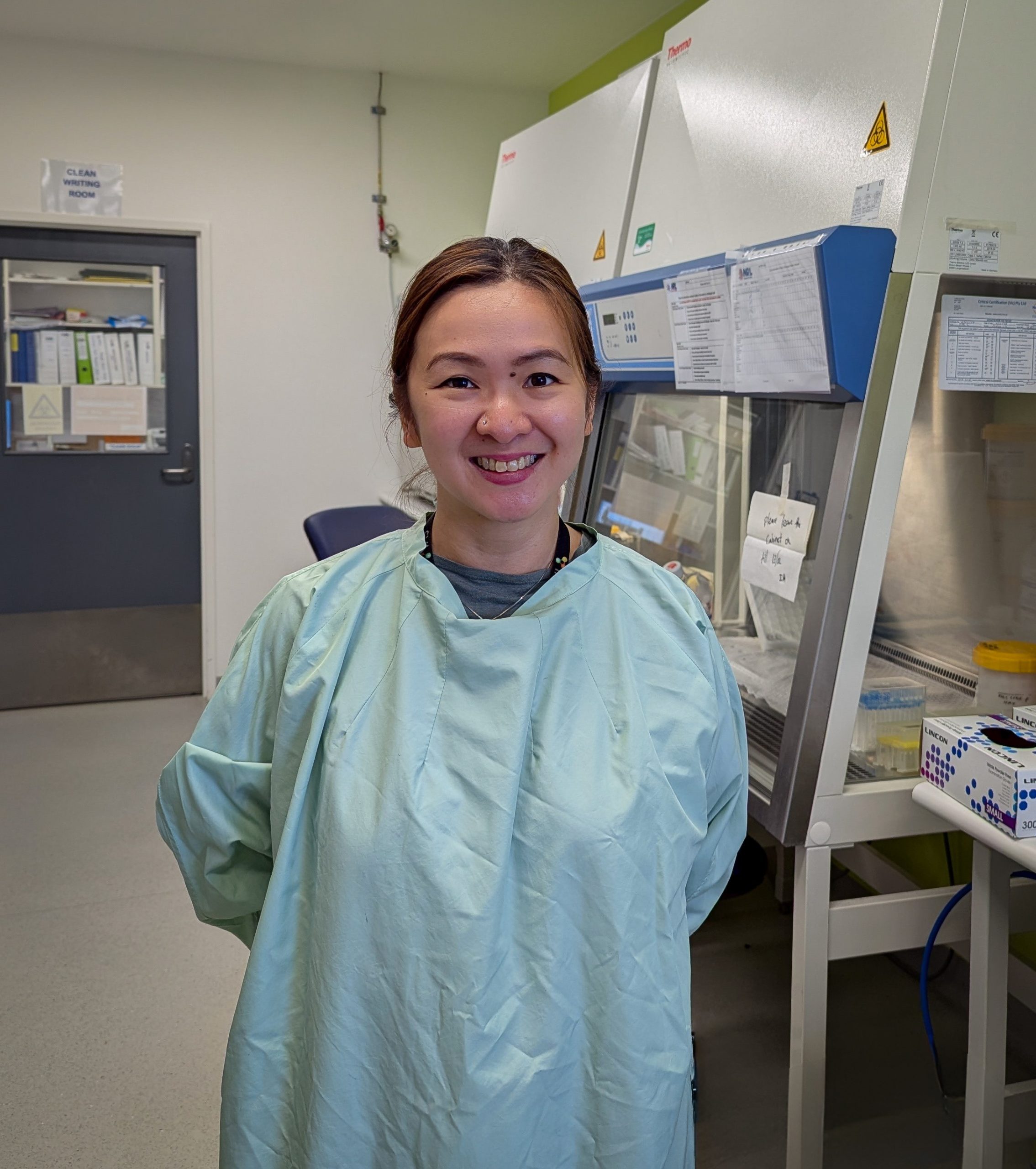
Advancing HTLV-1 diagnostics with fingerstick technology
Dr Melissa John has been awarded $50,000 from the Department of Health and Aged Care through the Australian Centre for HIV and Hepatitis Virology Research (ACH4) to support the development of a blood collection device with potential use in the diagnosis of infection with human T lymphotropic virus type 1 (HTLV-1).

AI-made genetic spatial map of lung disease reveals early signs of idiopathic pulmonary fibrosis
An international team of researchers has, for the first time, created a detailed map of the location and identity of individual cells in the adult lung, both from healthy lungs and in lungs from people affected by chronic lung disease.
What are the odds?
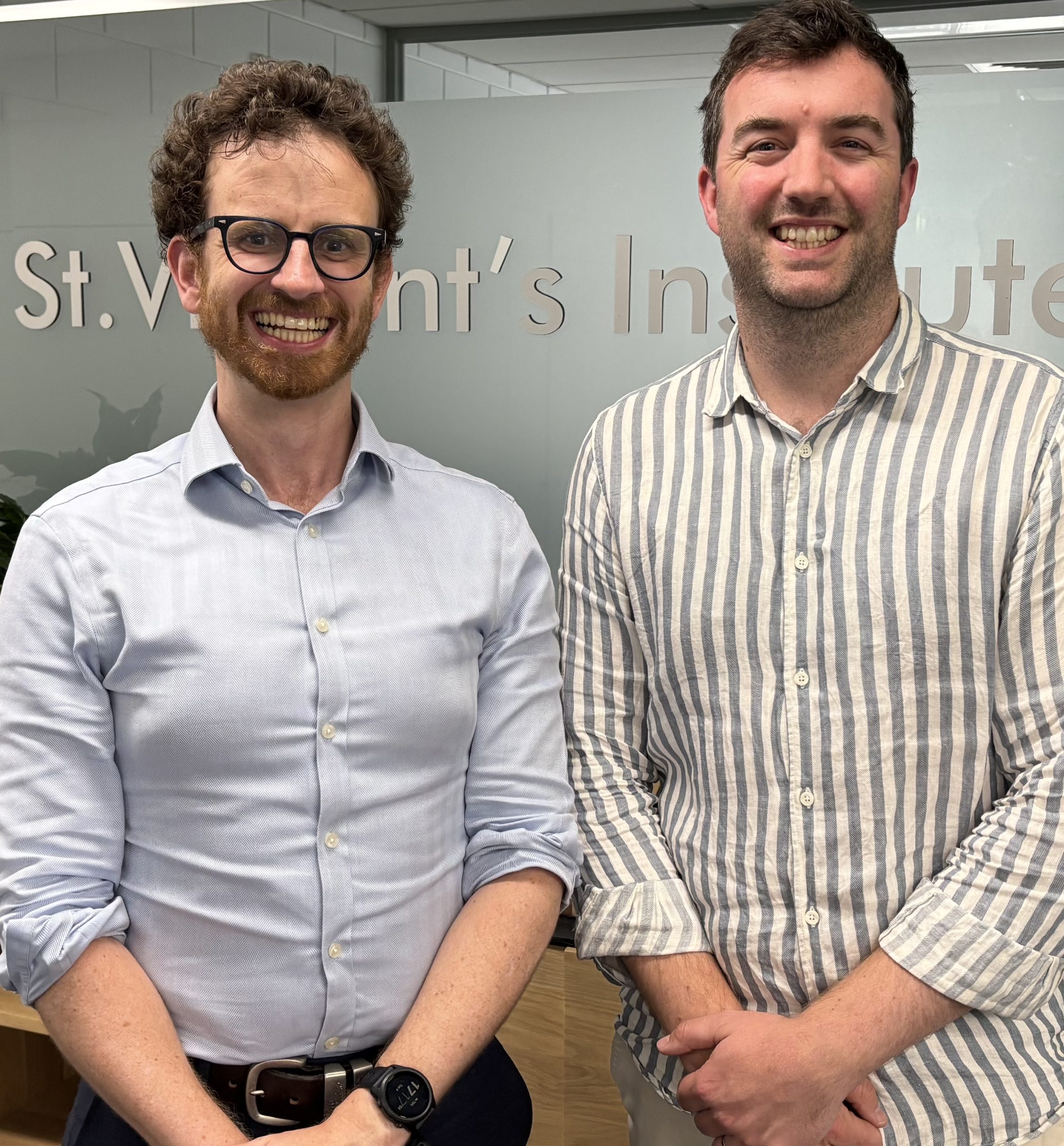
Leaders in AI augmented medicine A/Prof Davis McCarthy and Dr James Hillis, delivered a mini-symposium at SVI providing insights into how AI can replicate human tasks but also how AI can augment medicine through beyond-human tasks.

Fairer, more accurate genetic testing within reach for non-Europeans
Scientists have uncovered significant inequities in genetic testing for people of non-European ancestry and found a way to bridge this gap. Inequities in genetic testing raises concerns for precision medicine, a healthcare approach that uses genetic, environmental, and lifestyle information to tailor treatments to individuals.