
My lab investigates how metabolic and genetic diseases damage the heart and kidneys, using human stem cell-derived models to understand disease mechanisms and identify better treatments.
We work across two major programs. In cardiometabolic disease, we model how metabolic stress drives dysfunction in the heart and kidneys, with a focus on diabetes and cardiorenal syndrome. We have developed human cardiac microtissue and cardiorenal co-culture platforms that enable real-time functional assessment of both organs under disease conditions. In Friedreich ataxia, a rare genetic condition and the most common inherited ataxia, cardiac disease is the leading cause of death and no treatment currently exists. We use patient-derived cardiac models and mouse models to investigate disease mechanisms and test lipid and mRNA-based therapeutic strategies.
I hold a National Heart Foundation Future Leader Fellowship and lead an externally funded program with national and international collaborators spanning lipidomics, nephrology, bioengineering, and clinical cardiology.
Key achievements
2026 Steering Committee Member, Victorian CardioVascular Research Network
2026 Working Group Member, Global Workforce Development in Stem Cell Research and Regenerative Medicine Initiative, ISSCR & Canada’s Stem Cell Network
2025 – 2028 National Heart Foundation Future Leader Fellowship
2024 Heart Foundation Paul Kroner Award
2024 – 2027 Chair, International Society for Heart Research International ECI Committee
2024 – 2027 NHMRC Ideas Grant (CIA): Advancing new therapies for Friedreich ataxia heart disease
2023 – 2026 EH Flack Fellowship
2023 – 2025 MRFF EMCR grant (CIA): Repurposing approved drugs for Friedreich ataxia heart disease
2023 Rising Star Award, Australasian Society for Stem Cell Research (ASSCR)
2021 – 2023 Friedreich’s Ataxia Research Alliance grant (CIA): Investigating sympathetic nervous dysregulation in the pathogenesis of the cardiomyopathy of Friedreich ataxia
Cardiometabolic Disease
We study how metabolic and genetic diseases damage the heart and kidneys, using human stem cell-derived models to find better treatments.
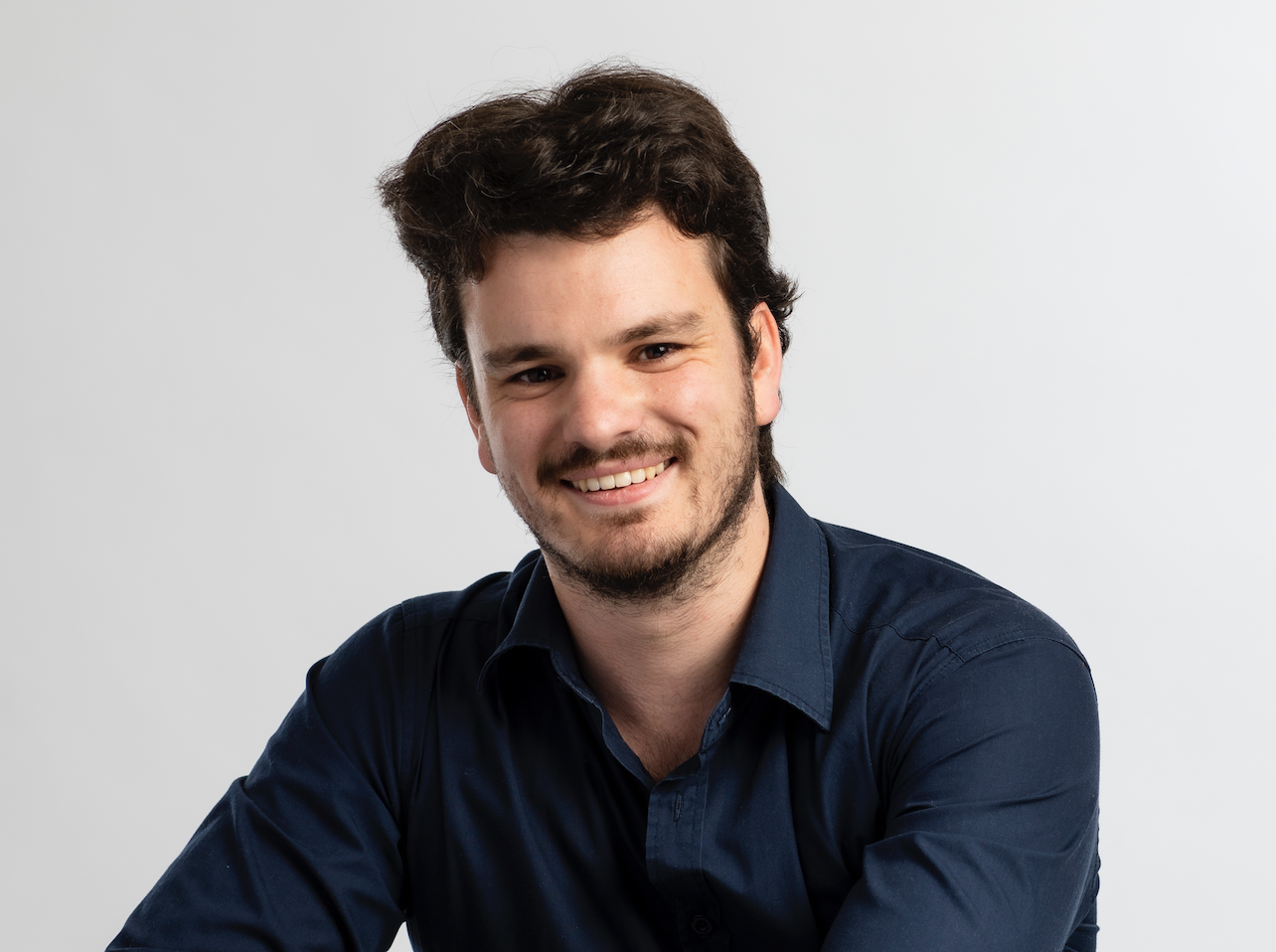
Lab head: Dr Jarmon LeesRelated news
Weary Dunlop Foundation supports ‘heart in a dish’ research
Dr Jarmon Lees has been awarded a Weary Dunlop Foundation grant to further his work on identifying new treatments for heart attack in people undergoing cancer treatment.
Rising Star fellow Jarmon Lees
Supported by a Fellowship from the Marian & E.H. Flack Trust, Dr Jarmon Lees and his team from the Cardiac Regeneration Lab are focussed on developing new treatments for its most common complication, heart disease.
Selected publications
Lees JG#, Zhang H, Jiao L, Kong AM, Phang RJ, Li L, Su N, Bass-Stringer S, Woo HYH, Mukhtar AS, Pébay A, Dottori M, Corben L, Delatycki M, Peverill R, Wilcox S, Choi J, Pullin JM, McCarthy D, Napierala JS, Napierala M, Lim SY#. Frataxin deficiency drives cardiac dysfunction and transcriptional dysregulation in Friedreich ataxia iPSC model. Cell Death & Disease. 2026, Accepted.
Phang RJ, Su N, Kong AM, Lim SY*, Lees JG*#. Modelling diabetes-associated metabolic stress in human multicellular cardiac microtissues. JMCC. 2025; 209, 80-92. https://doi.org/10.1016/j.yjmcc.2025.10.004
Lyu Q †, Gong S †, Lees JG †, Yin J, Yap LW, Kong AM, Shi Q, Fu R, Zhu Q, Dyer A, Dyson J, Lim SY, Cheng W. A soft and ultrasensitive force sensing diaphragm for probing cardiac organoids instantaneously and wirelessly. Nature Communications. 2022; 13, 7259. doi.org/10.1038/s41467-022-34860-y. † Co-first author
Phang RJ, Ritchie RH, Hausenloy DJ, Lees JG*, Lim SY. Cellular interplay between cardiomyocytes and non-myocytes in diabetic cardiomyopathy. Cardiovasc Research. 2022. cvac049. doi:10.1093/cvr/cvac049. *Corresponding author
Lees JG, Napierala M, Pébay A, Dottori M, Lim SY. Cellular pathophysiology of Friedreich’s ataxia cardiomyopathy. International Journal of Cardiology. 2022. 1;3 46:71-78. doi: 10.1016/j.ijcard.2021.11.033
Lees JG*, Lim SY, Gardner DK, Harvey AH. Stem cell metabolism: from embryonic development to stem cell differentiation. Conditioning Medicine 2021. 4(2): 88-99. *Corresponding author
Lees JG, Gardner DK & Harvey AJ. NAD+ induces a bivalent metabolism and maintains pluripotency in human embryonic stem cells. Stem Cells. 2020. 1-15. doi.org/10.1002/stem.3152.
Lees JG, Kong AM, Chen YC, Sivakumaran P, Hernández D, Pébay A, Harvey AJ, Gardner DK, Lim SY. (2019). Mitochondrial fusion by M1 promotes embryoid body cardiac differentiation of human pluripotent stem cells. Stem Cells International. 2019: 12, Article ID 6380135.
ORCID profile: https://orcid.org/0000-0002-9259-8657
Google Scholar profile: https://scholar.google.com/citations?user=QUXOGx4AAAAJ&hl=en