Posted 17 February 2025
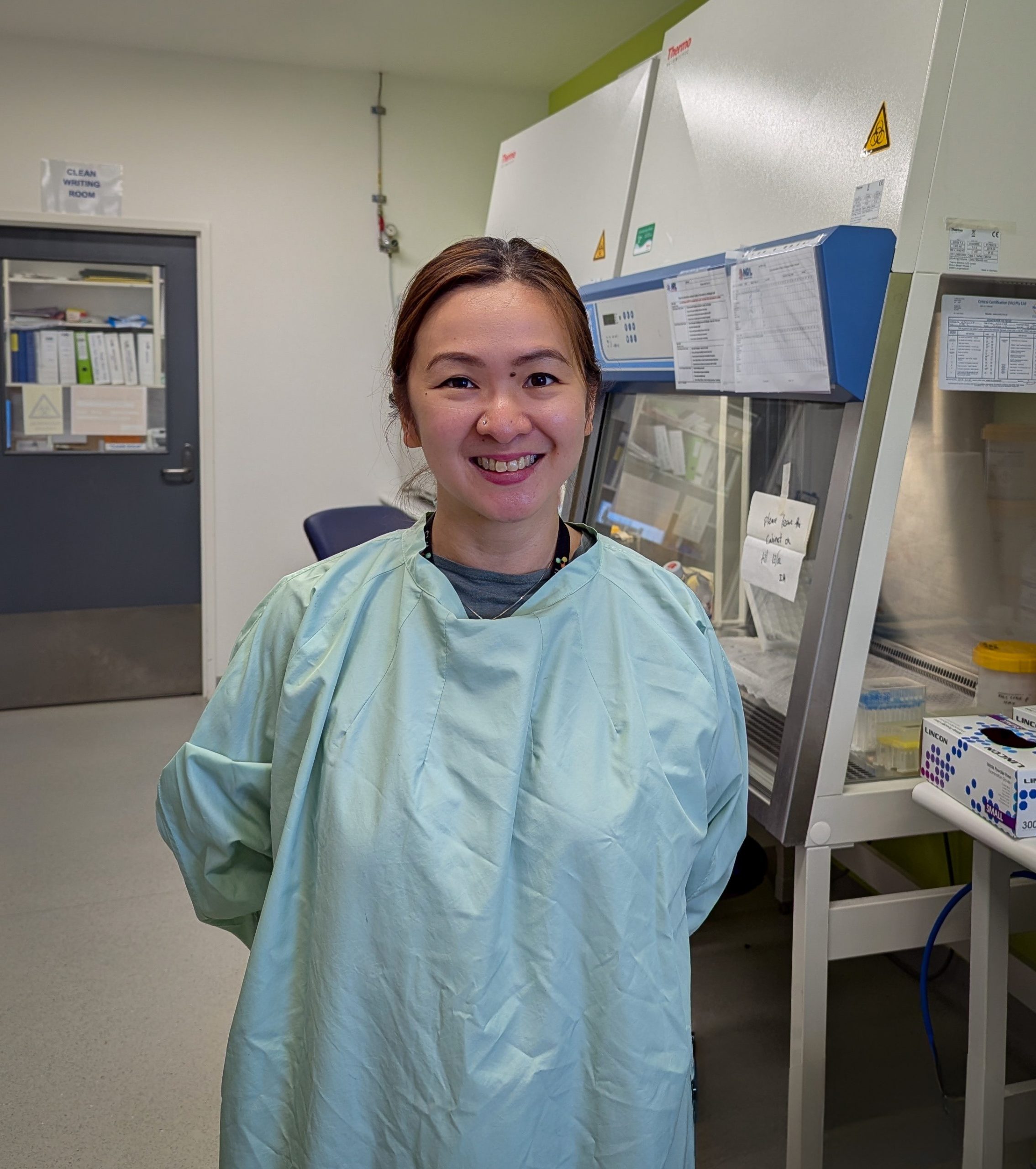
Dr Melissa John has been awarded $50,000 from the Department of Health and Aged Care through the Australian Centre for HIV and Hepatitis Virology Research (ACH4) to support the development of a blood collection device with potential use in the diagnosis of infection with human T lymphotropic virus type 1 (HTLV-1).
HTLV-1 is known to cause an aggressive form of leukaemia as well as serious chronic inflammatory diseases in a small proportion of people with long-term infection. In Australia, HTLV-1 has been recognised as occurring at high levels among many remote Aboriginal communities in Central Australia.
SVI’s National (Serology) Reference Laboratory (NRL) has developed and validated a Class 3 in-vitro diagnostic (IVD) test designed to accurately quantify the amount of virus (the HTLV-1 proviral load) in people with HTLV-1 infection. This new test has potential use in the clinical management of HTLV-1- infection and the prevention of onward transmission.
In collaboration with Prof David Anderson from Walter and Eliza Hall Institute (WEHI), the team will explore cost-effective fingerstick blood collection devices capable of yielding sufficient genomic DNA for use with the newly developed NRL HTLV-1 proviral load test. “This approach aims to simplify and broaden testing capabilities, especially in remote or resource-limited settings when transportation of blood samples is challenging,” said Dr John. “We’re delighted to receive this support from ACH4 and believe that our project can make a difference in improving health outcomes.”
NRL is a partner in the Australian Government Department of Health and Aged Care’s longitudinal study of over 1200 people to better understand the impact of HTLV-1 infection on the health of people in Central Australia. The study is being carried out through a collaboration between research institutes and Aboriginal community-controlled health services in the NT and WA.
NRL is also working closely with the National Aboriginal Community Controlled Health Organisation (NACCHO), ASHM Health and the Department of Health and Aged Care to develop the first Australian HTLV-1 clinical guidelines, that aim to address the issues of testing, treatment, prevention, communication and education in relation to HTLV-1 in regional and remote healthcare settings.
NRL is designated by the World Health Organisation (WHO) as a Collaborating Centre for diagnostics and laboratory support for blood borne infections. The division is one of only 14 laboratories globally designated to formally evaluate assays used to diagnose infectious diseases.
Learn more about NRL