
Posted 21 May 2025
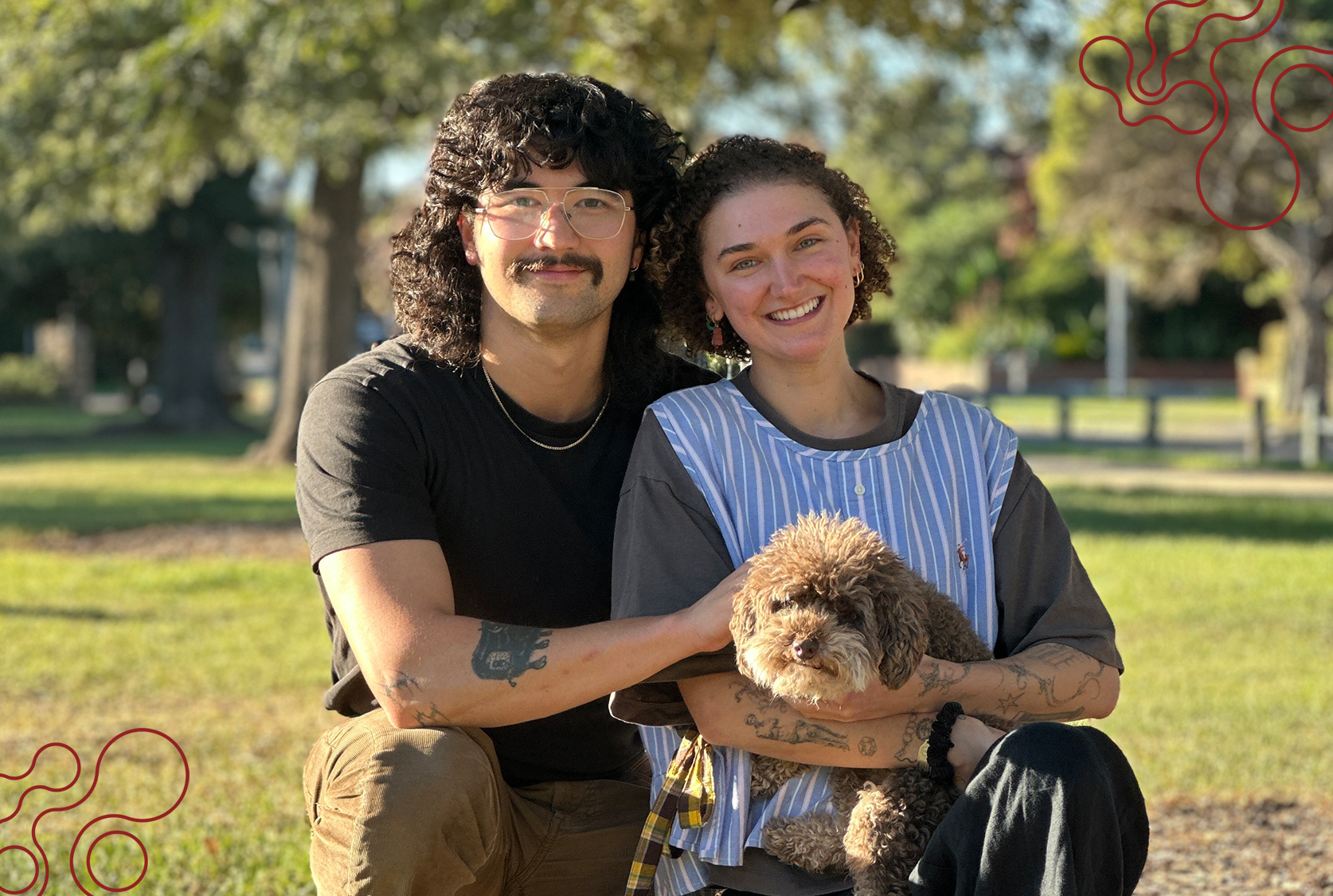
Hope doesn’t always come in big moments. Sometimes, it starts with a quiet decision to find answers.
At 23, Jess was training for a marathon when she began to feel something wasn’t quite right. At first, it seemed like nothing – just a bit of indigestion. Surely it was nothing to be too concerned about, after all, she was fitter than ever. But when the discomfort lingered for several days, she listened to her instincts and saw her GP, who urged her to go to hospital immediately.
There, tests revealed something far more serious; Jess’s level of troponin – released when the heart muscle is damaged – was 105,000, a staggering number. In healthy individuals, levels are usually below 15. Jess’ result indicated significant injury to her heart – the kind often seen after a major heart attack.
Jess was diagnosed with myocarditis (inflammation of the heart muscle) and spent weeks in hospital whilst the condition settled. Features on her electrocardiogram led Professor André La Gerche, one of the world’s leading experts in cardiac imaging and exercise-related heart conditions, to suspect a rare inherited heart condition. Desmoplakin cardiomyopathy was later confirmed with genetic testing.
This discovery was not only important to Jess, but it also explained why her grandmother had suffered serious heart rhythm problems and has assisted in the care of several other affected family members.
Professor La Gerche is Head of SVI’s Heart, Exercise and Research Trials (HEART) Lab, which is also supported by the Victor Chang Cardiac Research Institute. His work focuses on how exercise affects the heart – in healthy people, elite athletes, and those at risk of serious heart disease.
Jess has joined a world-first study at SVI under the supervision of Professor La Gerche and Associate Professor Christina Trambas (Head of Pathology at St Vincent’s Hospital and Honorary Research Associate at SVI) that seeks to understand the relationship between circulating antibodies, heart inflammation and the genetic changes in heart muscle that are the hallmark of this condition.
Today, Jess is back on her feet, supported by a life-saving implantable cardioverter defibrillator and guided by the care of Professor La Gerche. The defibrillator is a small device implanted in her chest that constantly monitors her heart rhythm. If it detects a dangerous irregularity, it delivers a precisely timed shock to restore a normal heartbeat, preventing sudden cardiac arrest. It’s more than a medical device – it’s a safety net bringing peace of mind to Jess and her loved ones.
“This disease is progressive,” she says, “but I feel really lucky to have André by my side. I wholeheartedly trust the work he’s doing – not just for me, but for my family.”
Every year, more than 500 Victorians under 50 die from sudden cardiac death – usually with no warning signs. That’s three times the number of people killed in road accidents in the same age group. These are young, active people, like Jess.
“Cardiac arrest is so devastating; it has such an impact on society and it absolutely rips families apart. It occurs much more frequently than people realise and should be considered a public health crisis,” says Professor La Gerche.
That’s why research at the HEART Lab is focused on more than just treating disease – it’s about identifying and preventing it before it strikes.
“We’re not going to be able to find better preventions and treatments until we really understand it,” explains Professor La Gerche.
By uncovering the genetic and lifestyle factors that increase risk, they are developing tools for earlier diagnosis, targeted interventions, and ultimately, prevention.
Some of the key areas of focus at the HEART Lab include:
- Identifying genetic markers and lifestyle patterns that predict heart rhythm disorders, enabling more timely and precise care.
- Developing personalised tools to prevent heart failure before symptoms even appear.
- Helping patients like Jess live full, active lives by understanding how exercise can protect and strengthen the heart – even in those with inherited conditions.
The research happening in the HEART Lab could save thousands of lives – lives of people just like Jess. Your support ensures more people at risk are identified before it’s too late.
This is a new era of personalised heart care, where early detection and prevention can make all the difference. With your generosity, we can continue this groundbreaking work and make life-saving advances accessible to more people, like Jess, who are striving for better health and a brighter future.
Jess says, “I missed running so much. One day André said, ‘Let’s start you jogging. Let’s figure out what we need to do to keep you happy and active.’”
“Now my husband and I are thinking about starting a family. For the first time, I feel optimistic -because of this research, I believe I can have a healthy future, and that my children will be okay too.”
You can help people like Jess take back their lives.
Your support helps the HEART Lab expand its vital work – not just to treat heart conditions, but to prevent them. The lab is developing genetic and imaging tools that could identify people at risk before they suffer an arrest and create personalised interventions that save lives.
This is not just research. This is protection. This is prevention. This is hope.
A donation today helps fund:
- Advanced cardiac imaging and genetic testing
- Research into sudden cardiac death in young people
- Preventative screening tools for those at risk
“We won’t find the answers without research,” says Professor La Gerche. “And we can’t do the research without you.”
Please donate today to support research in the HEART Lab. With your help, we can stop the heartbreak of sudden cardiac death – helping André and his team give people like Jess the future they deserve.
Donate to the HEART Lab