Posted 11 February 2026
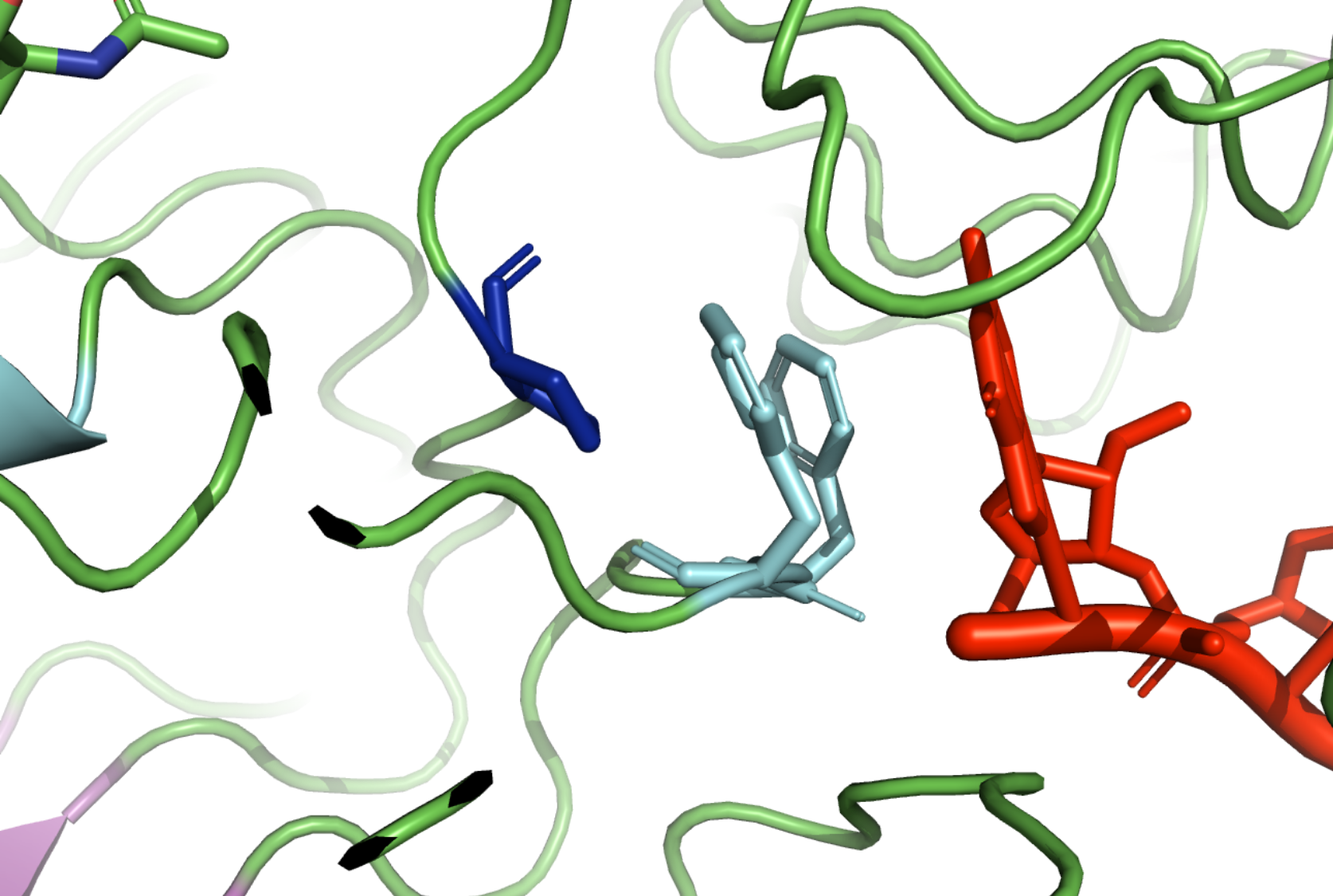
An international study has revealed that tiny fragments of RNA play a critical role in keeping the immune system in check, opening new possibilities for treating autoimmune diseases like lupus, psoriasis and rheumatoid arthritis.
Published in Nature Immunology and led by Professor Michael Gantier from the Hudson Institute of Medical Research, the research shows that extremely small fragments of RNA play a crucial role in preventing the immune system from mistakenly attacking the body. Historically, these tiny RNA fragments were thought to be biological waste.
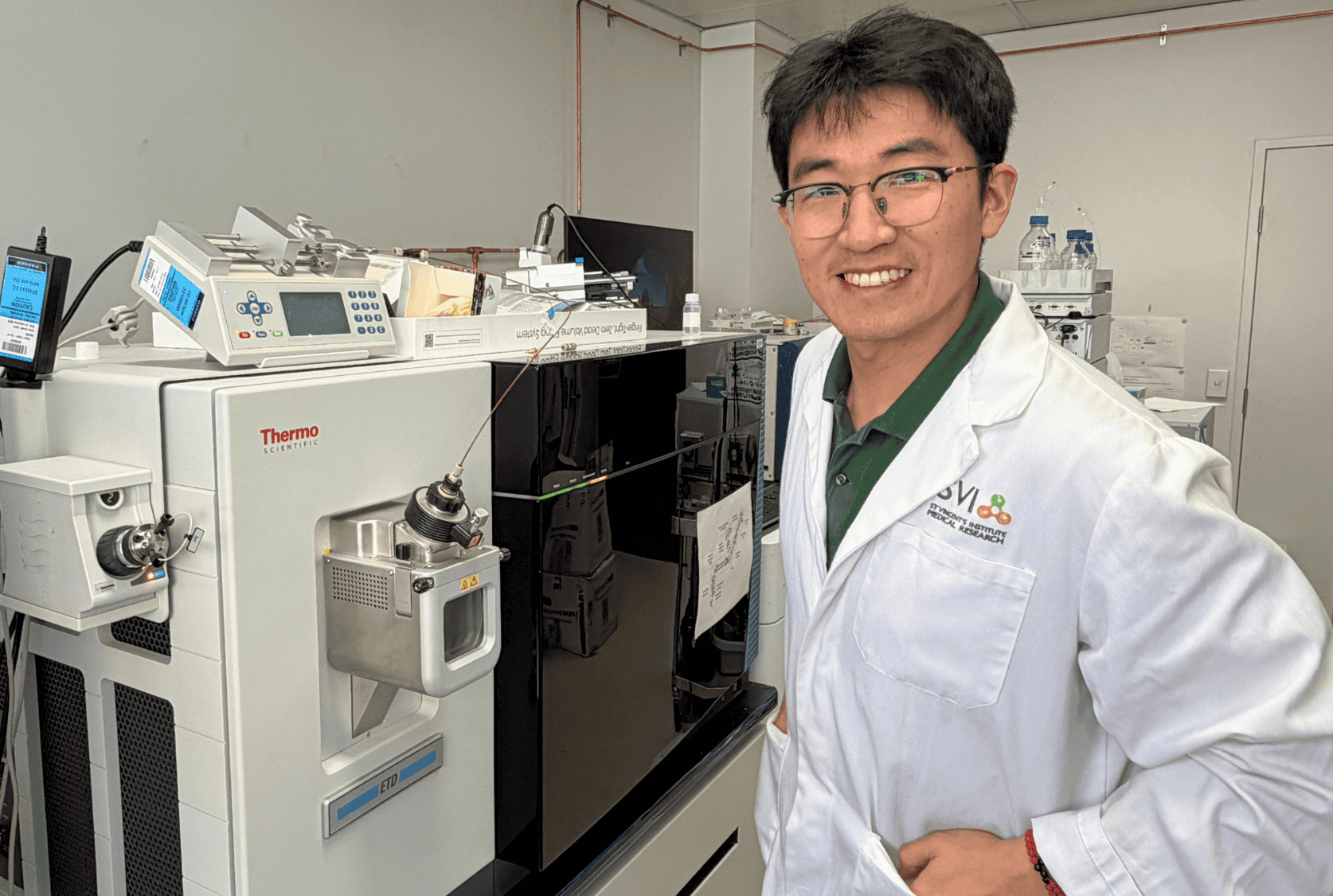
SVI researcher Dr Dingyi Yu was a key contributor to the study, which brings together scientists from Australia, Japan, the UK and the US. The findings challenge long-held assumptions about RNA biology and open the door to a potential new class of anti-inflammatory therapies.
“I’m delighted to be part of this study under Professor Gantier’s leadership,” said Dingyi.
“It’s incredibly exciting to see such a fundamental discovery with clear potential to improve outcomes for people with autoimmune disease.”
Using advanced molecular and biochemical techniques like mass spectrometry, the team discovered that these ultra-short RNA fragments naturally bind to immune sensors and keep them switched off. When this protective mechanism fails, dangerous inflammation can occur.
 The study also explains how rare genetic changes linked to childhood-onset lupus disrupt this process, providing critical insight into how autoimmune diseases begin.
The work strongly aligns with SVI’s growing strength in cutting-edge molecular analysis. Later this year, SVI’s new Mass Spectrometry Facility will open in the Aikenhead Centre for Medical Discovery (ACMD), providing researchers with powerful tools to drive discoveries like this from bench to bedside.
Together, these advances mark an important step towards more targeted treatments for chronic autoimmune diseases and highlight the impact of collaborative, world-class science.
Read the study