
Posted 20 March 2026
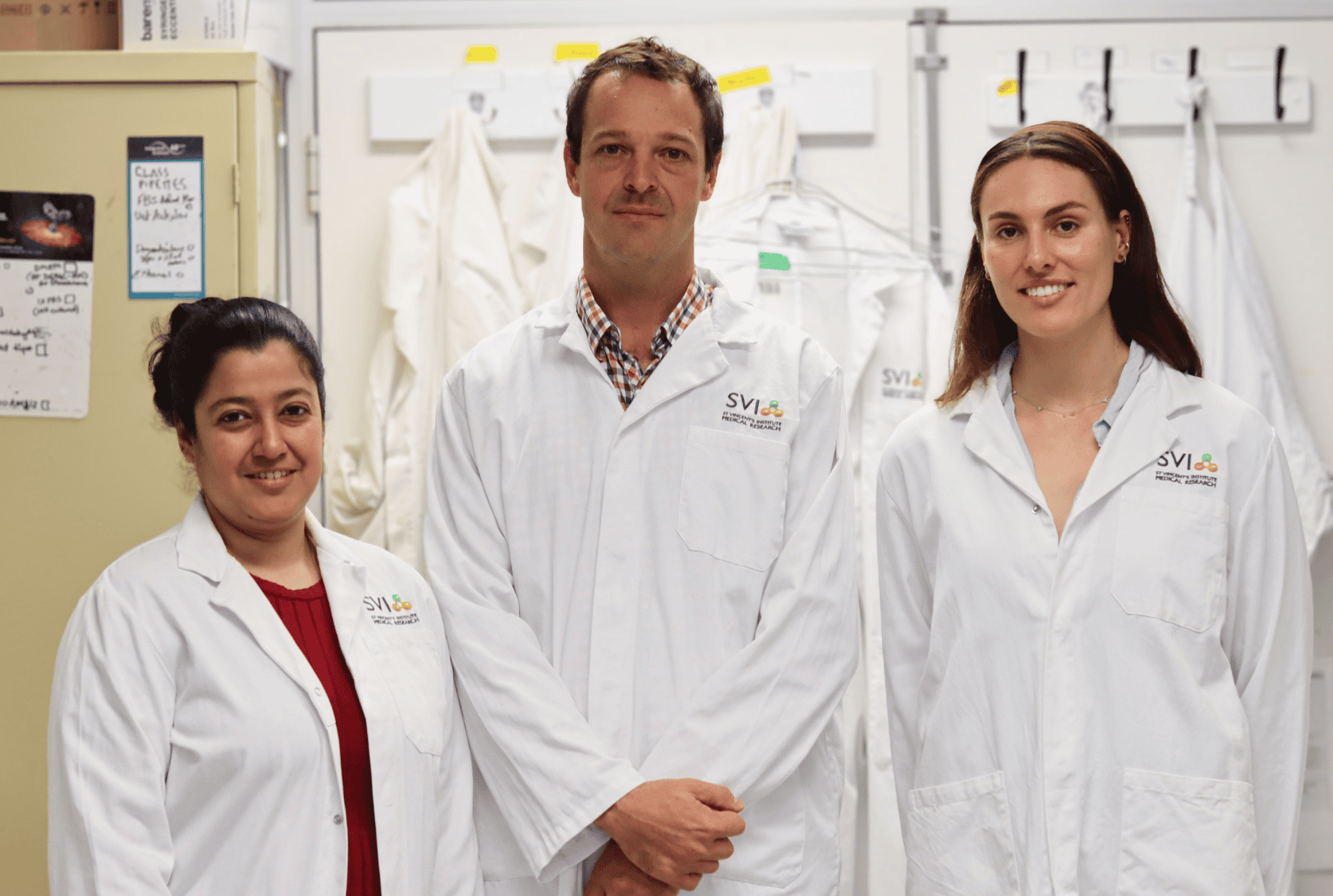
An SVI-led research team has been awarded a National Health and Medical Research Council Ideas Grant to tackle one of the most persistent challenges faced by people with a heritable condition called Fanconi anaemia: identifying its genetic causes to improve diagnosis and care.
Led by Associate Professor Wayne Crismani, the project investigates this rare, life-limiting condition, which increases the risk of early-onset cancers, progressive bone marrow failure and other serious health problems.
Despite powerful diagnostic tools, Fanconi anaemia can be surprisingly difficult to identify. Through his research and advocacy with families affected by Fanconi anaemia, Wayne has seen that getting the right diagnosis is challenging.
“The median age of diagnosis of Fanconi anaemia in Australia is 7 years old, meaning that there’s typically a 7-year delay in diagnosing this condition. For many people, the delay can be as long as 20 to 30 years,” he says.
People might also be misdiagnosed with another genetic condition, further delaying the correct diagnosis and appropriate care.
Fanconi anaemia can be caused by changes in any one of 23 separate genes. Each case is unique and sometimes there are none of the traditional physical signs of the condition. In these instances, diagnosis doesn’t occur until the presence of more serious symptoms, like cancer or bone marrow failure.
Accurately identifying the genetic cause of Fanconi anaemia is critical: it allows family members to be screened for carrier status, informs reproductive decision-making and helps clinicians anticipate cancer risk. Some Fanconi anaemia gene subtypes are linked to particularly aggressive childhood cancers, making early and precise diagnosis essential.
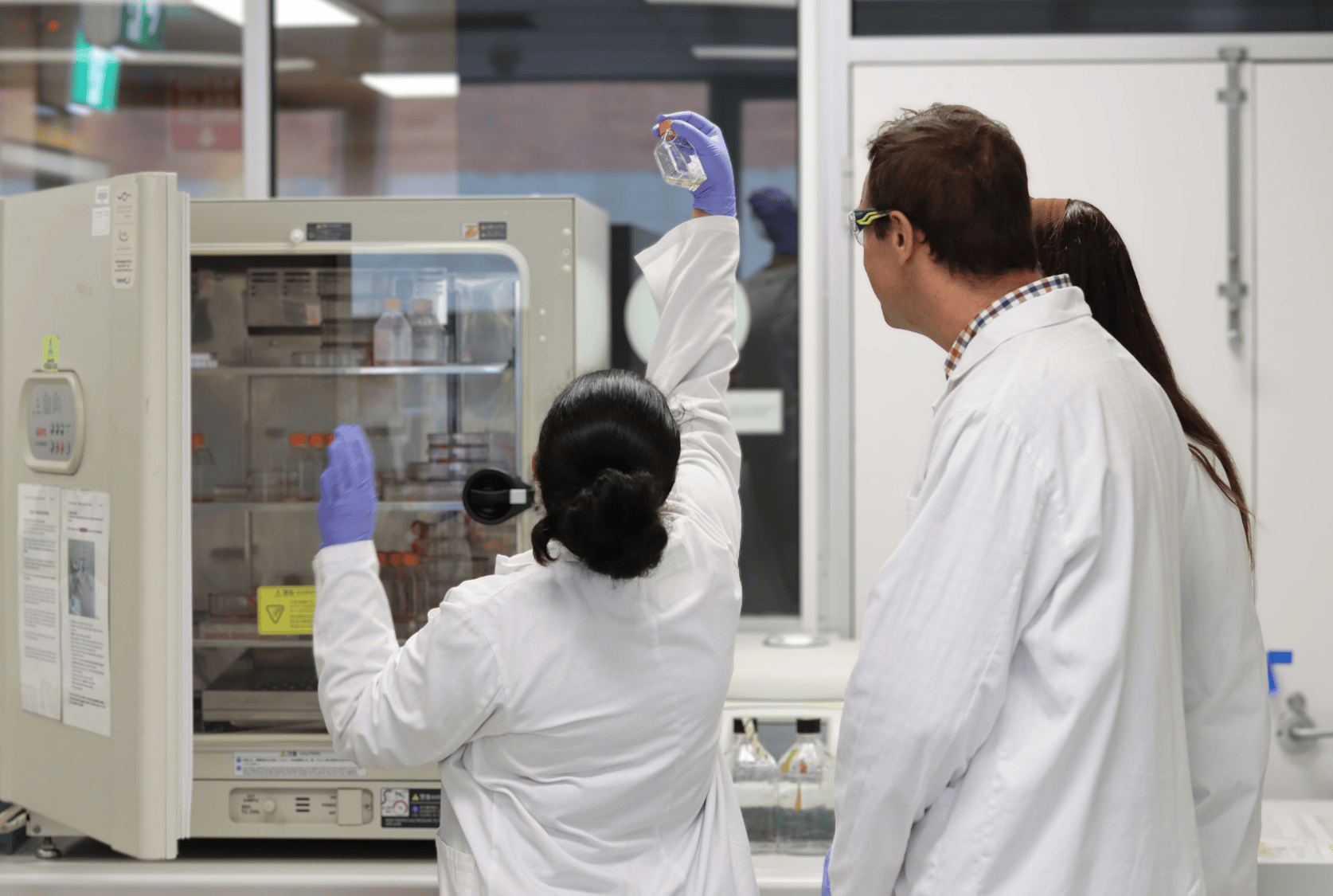 Included in the team with Wayne are talented postdoctoral researchers: Dr Caitlin Harris, who brings strong expertise in genome analysis and bioinformatics to the study, complemented by Dr Chirantani Mukherjee’s gene editing and molecular biology skills.
They are supported by a highly experienced team, including Associate Professor Davis McCarthy, Head of Bioinformatics & Cellular Genomics and Associate Professor Andrew Deans, Head of Genome Stability.
The team will work in tandem with world-leading experts and service providers from the Peter MacCallum Cancer Centre, the Royal Prince Alfred Hospital, the University of Technology Sydney and the Victorian Clinical Genetics Services.
This new project sits at the crossroads of diagnosis and discovery: by studying cases where standard genetic testing falls short, the team aims to uncover why disease-causing variants can remain hidden and how to develop better strategies to detect them.
Wayne says, “By turning diagnostic challenges into biological insight, this research aims to improve outcomes for families affected by Fanconi anaemia while delivering broadly transferable approaches that could accelerate diagnosis across many rare genetic diseases. Only once a diagnosis is made, can an individual receive the most appropriate, and often life-saving, care.”
Find out more about the DNA Repair and Recombination Lab