
Heart disease remains a leading cause of death and disability worldwide, yet many promising treatments fail because research models do not adequately reflect how disease behaves in the human body. Our lab addresses this by building human stem cell-derived models of cardiac and kidney tissue, using these platforms to study disease mechanisms and identify better treatments.
We investigate two major disease programs. In cardiometabolic disease, we model how metabolic stress drives dysfunction in the heart and kidneys, with a particular focus on diabetes. Our cardiorenal co-culture system is designed to study heart-kidney interactions under disease conditions, with the potential to extend to other contexts including hypertension and drug-induced organ toxicity. In Friedreich ataxia, a rare genetic condition causing progressive and fatal cardiomyopathy, we use patient-derived cardiac models to test lipid and mRNA-based therapeutic strategies.
Our goal is to close the gap between laboratory discoveries and clinical treatment, for patients who need better options.
Current research projects
-
Human cardiorenal co-culture model of diabetic cardiorenal syndrome
Cardiorenal syndrome, or cardiovascular–kidney–metabolic (CKM) syndrome, describes the bidirectional relationship between heart and kidney dysfunction, yet no human experimental model currently exists to study this interaction under disease conditions. We are developing a stem cell-derived cardiorenal co-culture system that brings together cardiac and kidney organoids to model how metabolic stress, particularly in the context of diabetes, drives simultaneous organ dysfunction. This platform enables real-time functional assessment of both tissues, with the capacity to extend to other cardiorenal disease contexts including hypertension and drug-induced cardio- and nephrotoxicity.
Diabetic cardiomyopathy: mechanisms and therapeutic targetsDiabetes is a leading cause of heart failure, yet the mechanisms by which chronic metabolic stress drives cardiac dysfunction remain incompletely understood. Using human iPSC-derived cardiac microtissues exposed to diabetic conditions, we are investigating the cellular and molecular pathways underlying diabetic cardiomyopathy. This program aims to identify mechanisms for intervention and to test candidate therapies in a human experimental system that reflects the complexity of the diabetic heart.
Friedreich ataxia cardiomyopathy: mRNA therapiesFriedreich ataxia is a rare multisystem disease, caused by reduced expression of frataxin, a mitochondrial protein essential for iron-sulphur cluster assembly and respiratory chain function. Cardiac disease is the leading cause of death in affected individuals, yet no cardiac therapy currently exists. We are developing and testing mRNA-based strategies to restore cardiac function in patient-derived iPSC cardiac models, assessing functional rescue across contractility, electrophysiology, and mitochondrial endpoints.
Untangling the cardiac lipidome in Friedreich ataxiaFriedreich ataxia is associated with significant dysregulation of the cardiac lipidome, yet the functional consequences of these changes and their therapeutic potential remain poorly characterised. In collaboration with the Baker Heart and Diabetes Institute, we apply lipidomic profiling to patient-derived cardiac microtissue models to identify disease-associated lipid signatures and candidate therapeutic targets. Novel lipid-based agents are then tested in our stem cell-derived cardiac models, providing a human experimental platform to evaluate their capacity to restore lipid homeostasis and improve cardiac function in Friedreich ataxia.
People

- Mr Anthony Mukhtar, Research Assistant
- Ms Li Li, PhD student
- Ms Nan (Anny) Su, PhD student
- Ms Yunni (Winnie) Yang, Masters student
- Ms Kirstie XiaoRui, PhD student (visiting)
Student projects
When the heart and kidney fail together: modelling cardiorenal syndrome with human organoids
Supervisor(s): Dr Jarmon Lees
Diseases focus: Healthy AgeingDeveloping lipid and mRNA-based therapies for Friedreich ataxia heart disease
Supervisor(s): Dr Jarmon Lees
Diseases focus: Healthy AgeingModelling diabetic heart disease using human cardiac microtissues
Supervisor(s): Dr Jarmon Lees
Diseases focus: Healthy AgeingSelected publications
Lees JG#, Zhang H, Jiao L, Kong AM, Phang RJ, Li L, Su N, Bass-Stringer S, Woo HYH, Mukhtar AS, Pébay A, Dottori M, Corben L, Delatycki M, Peverill R, Wilcox S, Choi J, Pullin JM, McCarthy D, Napierala JS, Napierala M, Lim SY#. Frataxin deficiency drives cardiac dysfunction and transcriptional dysregulation in Friedreich ataxia iPSC model. Cell Death & Disease. 2026, Accepted.
Phang RJ, Su N, Kong AM, Lim SY*, Lees JG*#. Modelling diabetes-associated metabolic stress in human multicellular cardiac microtissues. JMCC. 2025; 209, 80-92. https://doi.org/10.1016/j.yjmcc.2025.10.004
Lyu Q †, Gong S †, Lees JG †, Yin J, Yap LW, Kong AM, Shi Q, Fu R, Zhu Q, Dyer A, Dyson J, Lim SY, Cheng W. A soft and ultrasensitive force sensing diaphragm for probing cardiac organoids instantaneously and wirelessly. Nature Communications. 2022; 13, 7259. https://doi.org/10.1038/s41467-022-34860-y
Phang RJ, Ritchie RH, Hausenloy DJ, Lees JG*#, Lim SY. Cellular interplay between cardiomyocytes and non-myocytes in diabetic cardiomyopathy. Cardiovascular Research. 2022. cvac049. https://doi.org/10.1093/cvr/cvac049
Lees JG, Napierala M, Pébay A, Dottori M, Lim SY. Cellular pathophysiology of Friedreich’s ataxia cardiomyopathy. International Journal of Cardiology. 2022. https://doi.org/10.1016/j.ijcard.2021.11.033
Lees JG, Gardner DK & Harvey AJ. NAD+ induces a bivalent metabolism and maintains pluripotency in human embryonic stem cells. Stem Cells. 2020. 1-15. https://doi.org/10.1002/stem.3152
ORCID profile: https://orcid.org/0000-0002-9259-8657
Related news
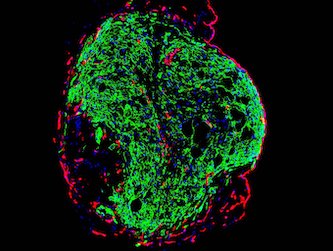
Rising Star fellow Jarmon Lees
Supported by a Fellowship from the Marian & E.H. Flack Trust, Dr Jarmon Lees and his team from the Cardiac Regeneration Lab are focussed on developing new treatments for its most common complication, heart disease.
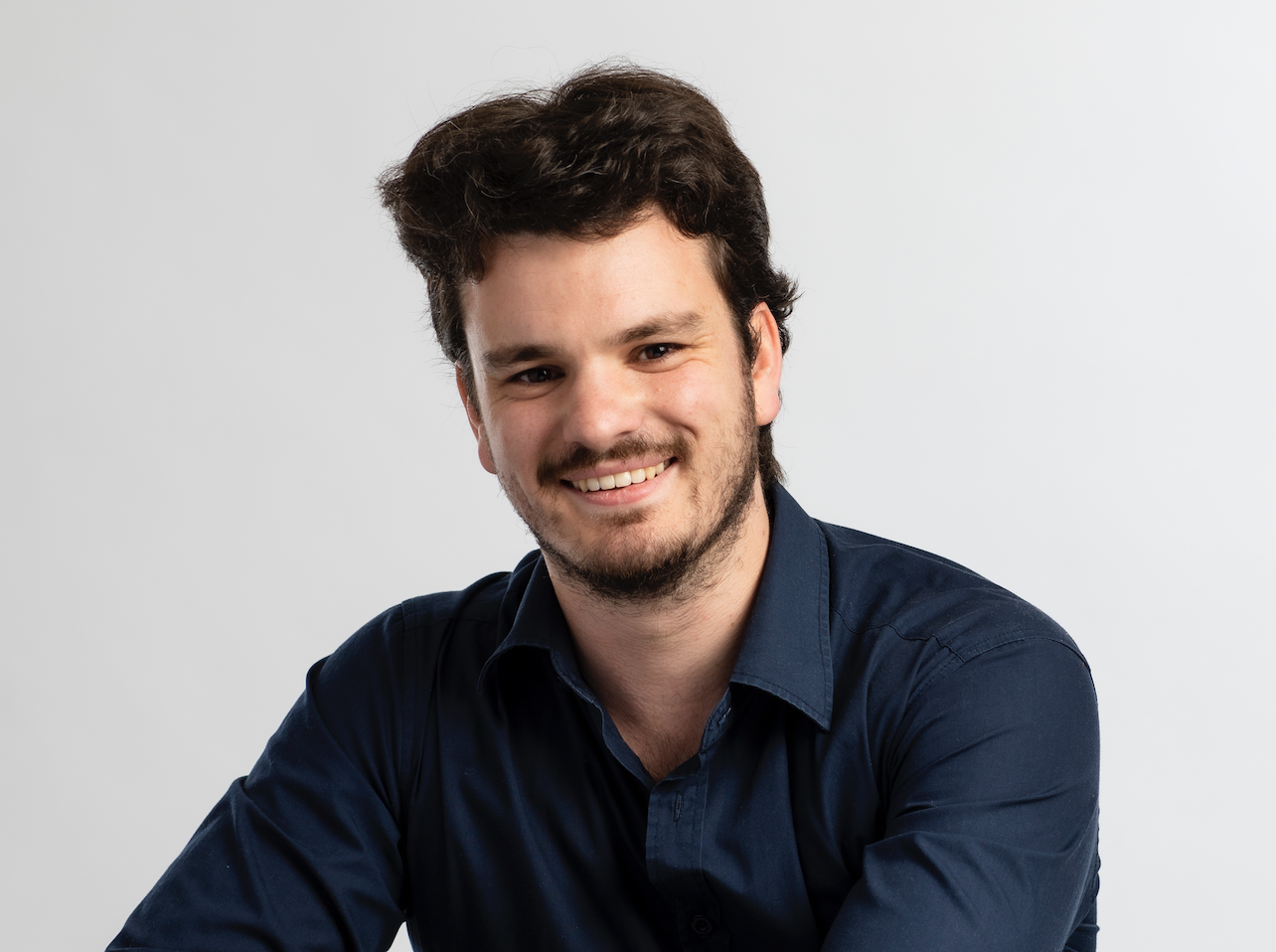
Weary Dunlop Foundation supports ‘heart in a dish’ research
Dr Jarmon Lees has been awarded a Weary Dunlop Foundation grant to further his work on identifying new treatments for heart attack in people undergoing cancer treatment.