
Posted 24 July 2026
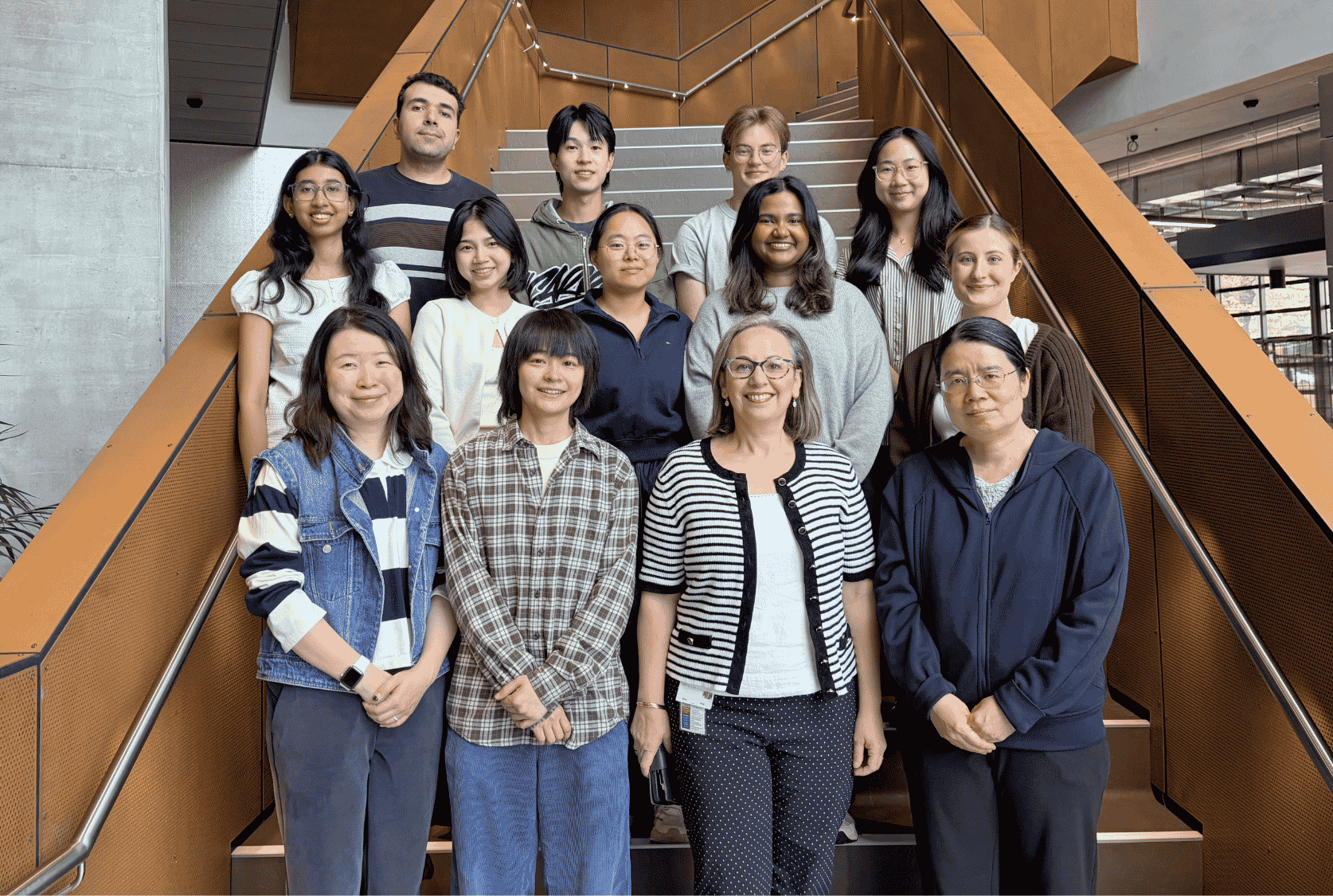
SVI researchers have uncovered a previously unknown process that helps cells repair damage in one of the most active and vulnerable parts of their DNA.
Led by Associate Professor Elaine Sanij and co-authors Dr Ruofei Liu, Dr Jiachen Xuan and Dr Jian Kang, the research shows how a protein called RAD54L helps repair damage in ribosomal RNA genes (rDNA). This DNA is located inside the nucleolus, a small structure within the cell’s nucleus that is responsible for producing ribosomes, the cell’s protein-making machinery.
Because the nucleolus is highly active, the rDNA is under constant strain and is more likely to become damaged as cells grow and divide. The team discovered that RAD54L plays an important protective role in this environment. Under normal conditions, it protects this highly active and repetitive DNA from stress during DNA replication.
When damage occurs, RAD54L is recruited to the sites of damage at the nucleolar boundaries, where it coordinates repair and protects the integrity of this essential DNA. If this repair process fails, the genome becomes unstable, which has serious consequences for the cell.
The researchers also uncovered an unexpected role for RNA polymerase II, an enzyme that reads genetic information. They found it helps reorganise the nucleolus after DNA damage, allowing repair proteins like RAD54L to access damaged DNA more effectively.
The study also found that ovarian cancer cells lacking RAD54L were more vulnerable to drugs that create stress in the nucleolus. This finding provides an important foundation for future research into therapies that could exploit this weakness in cancer cells.
Elaine said the discovery improves our understanding of a fundamental cellular defence system.
“Our study reveals how cells protect one of their most active and fragile regions of DNA. By understanding how this repair system works, we gain important new insights into the fundamental biology that maintains genome stability,” said Elaine.
“DNA repair within the nucleolus requires specialised mechanisms and because many cancers, including ovarian cancer, rely on high levels of nucleolar activity, these findings may also help guide the development of future therapies that target this vulnerability.”
The research was a collaboration between SVI, Peter MacCallum Cancer Centre and WEHI, bringing together expertise in molecular biology, genomics and cancer research.
Read the article
DNA Damage & Cancer Therapy
We are developing new therapeutic approaches to target drug resistance in ovarian cancer and in the blood cancer multiple myeloma.
Lab head: Associate Professor Elaine Sanij