
Posted 25 March 2026
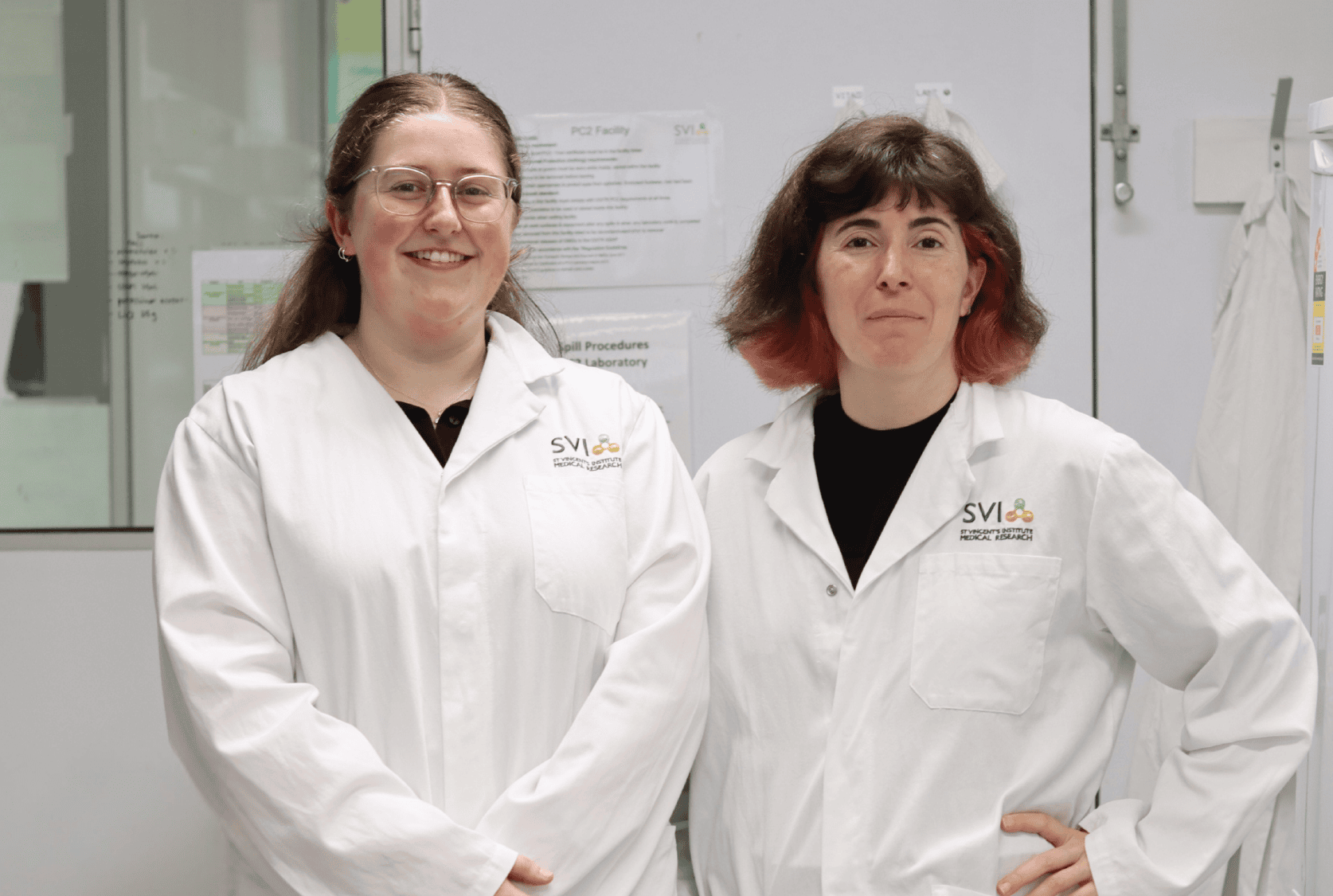
Researchers from SVI’s Human Genomics & Evolution Lab have helped uncover how DNA inherited from extinct human relatives continues to influence our biology today.
The study, led by Associate Professor Irene Gallego Romero, with PhD student Maddy Comerford, explores genetic variants inherited from Denisovans and Neanderthals: ancient human groups that interbred with early modern humans tens of thousands of years ago.
While scientists have known for some time that small fragments of this ancient DNA remain in modern populations, understanding what these genes actually do has been a major challenge.
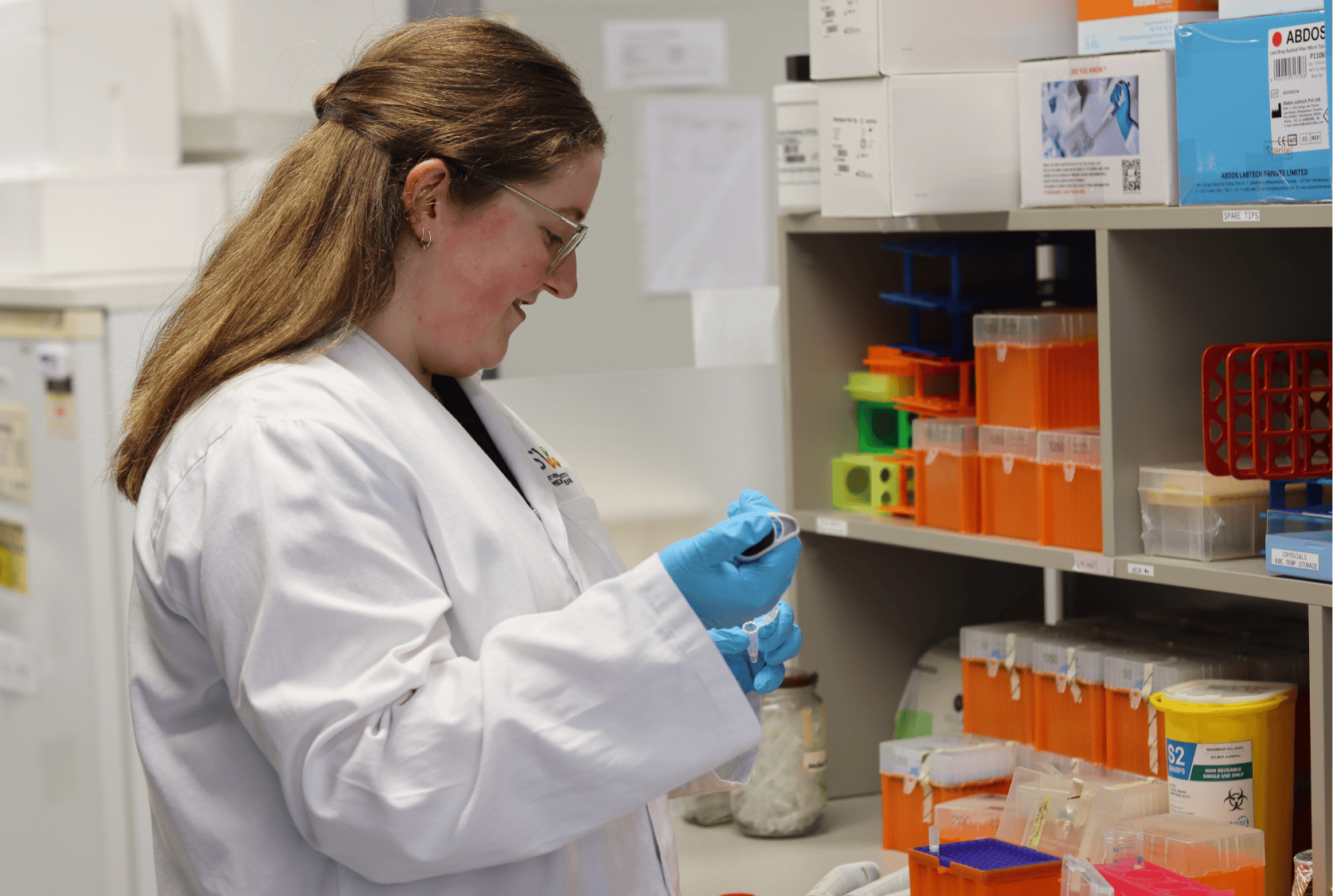 In this study, the team analysed more than 25,000 genetic variants found in people of Papuan ancestry, who carry some of the highest levels of Denisovan DNA in the world. Using advanced genomic techniques, the researchers tested whether these ancient DNA fragments can influence how nearby genes are switched on or off.
The results revealed that a small but important proportion of these variants can actively regulate gene activity, particularly in genes involved in the immune system.
“This work helps us understand how ancient human history still affects our biology today,” said Associate Professor Gallego Romero.
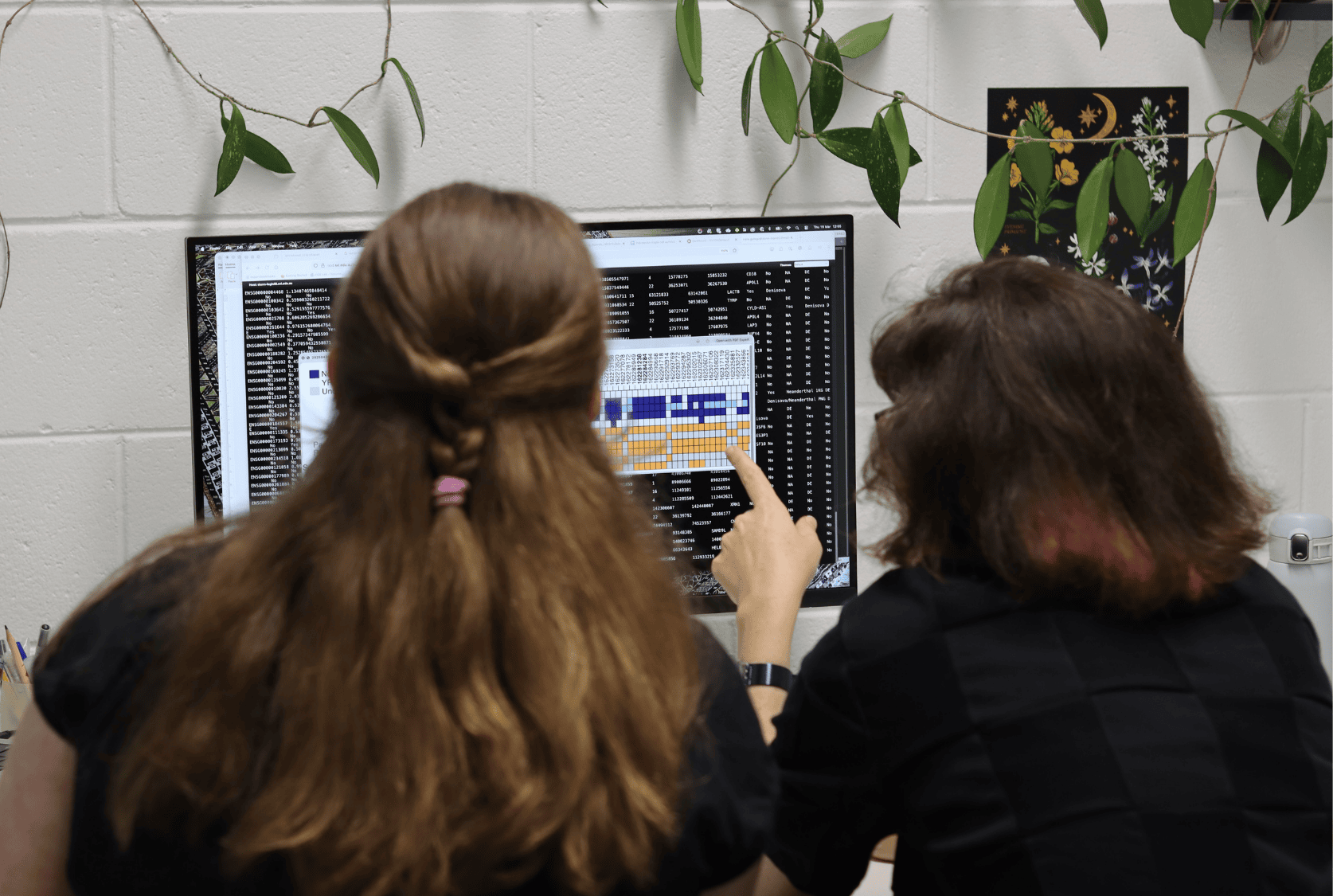 The findings provide some of the first experimental evidence showing how Denisovan and Neanderthal DNA can shape modern human gene regulation. In particular, the study offered insights into how early humans adapted to new environments and disease threats as they spread across the globe.
The research represents a significant milestone for the Human Genomics & Evolution Lab, which investigates how human evolution has shaped genetic diversity and health today.
By combining evolutionary biology with cutting-edge genomic technologies, the team is helping reveal how our deep history continues to influence modern human biology.
Read the paper