
Posted 29 July 2025
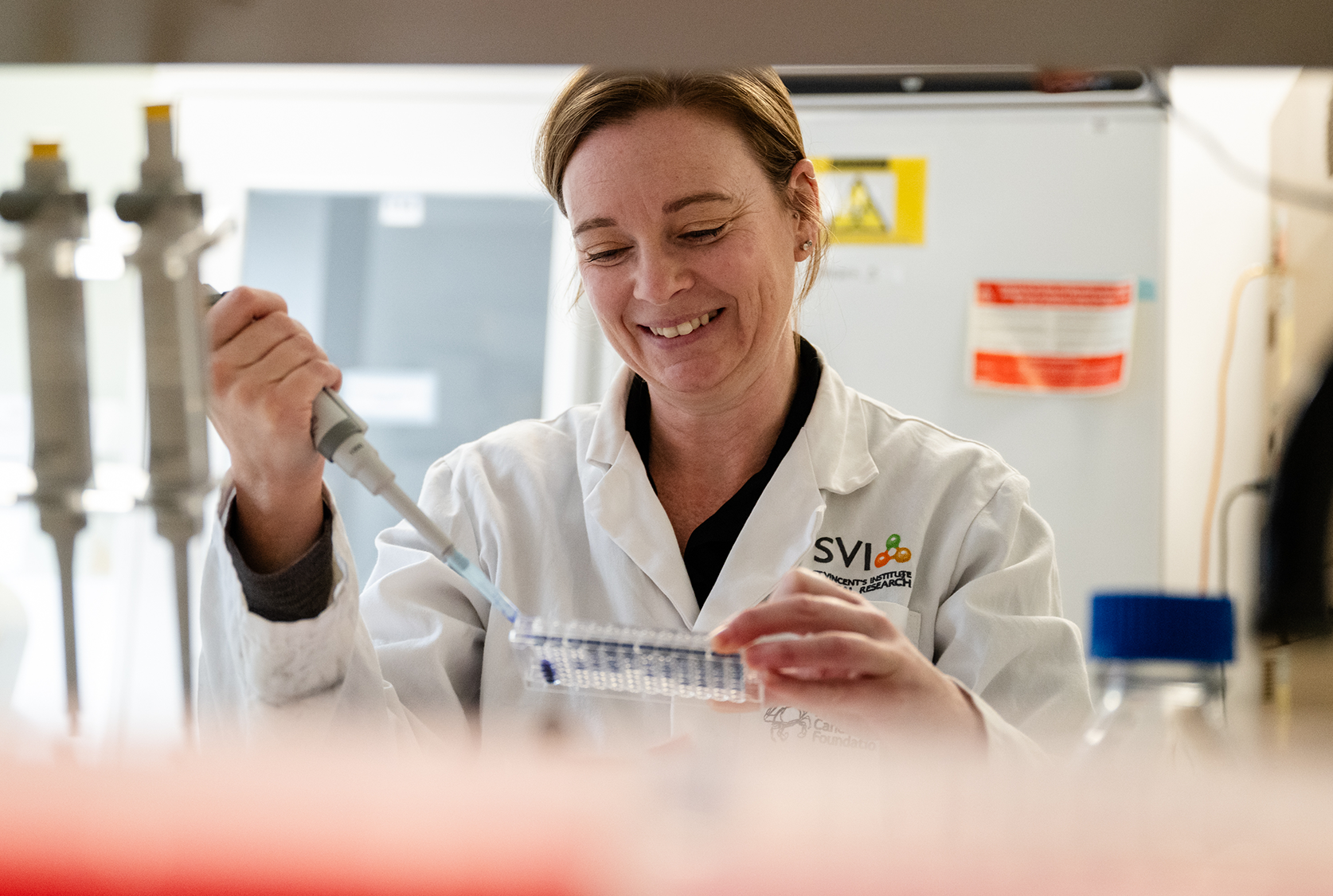
Dr Emma van der Westhuizen from the Structural Biology Lab has secured a grant to advance a promising new approach to treating Alzheimer’s disease, Lewy Body Dementia and related dementias.
Funded by the Lindsay & Heather Payne Medical Research Charitable Foundation, the initiative will support Emma’s research into using small molecules to reprogram brain cells to remove toxic proteins that contribute to neurodegenerative diseases.
This novel strategy offers a potentially safer and more effective alternative to current treatments, some of which can cause severe inflammation or have limited benefit.
Alzheimer’s disease affects more than 55 million people globally and is the most common form of dementia. Despite decades of research, treatment options remain scarce.
The team’s research focuses on two key proteins, which have been found at abnormal levels in the brains of people with Alzheimer’s. The project aims to develop molecules that either block or activate these proteins to reduce toxic build-up in the brain, potentially slowing or reversing cognitive decline.
The research will involve testing the molecules in lab-grown brain cells to determine their effectiveness and ensure they do not trigger harmful side effects.
“By harnessing the brain’s own cells to clean up toxic proteins and stop them forming in the first place, we’re taking a highly targeted and potentially transformative approach,” said Emma.
The outcomes of this work could have a profound impact on public health. With the global burden of dementia expected to triple by 2050, more effective treatments are urgently needed.
If successful, this initiative could ease the pressure on healthcare systems and improve quality of life for people with dementia and their families.
Support SVI’s dementia research