
Posted 26 June 2025

A new study has revealed that former elite rowers, including ex-Olympians, are almost seven times more likely to develop atrial fibrillation than the general population. This is despite the demographic having fewer traditional risk factors like high blood pressure, diabetes or obesity.
The research, published in the European Heart Journal, involved 121 retired Australian rowers aged between 45 and 80. It found that one in five had developed atrial fibrillation (AFib), a common heart rhythm condition that can lead to stroke, heart failure and even premature death.
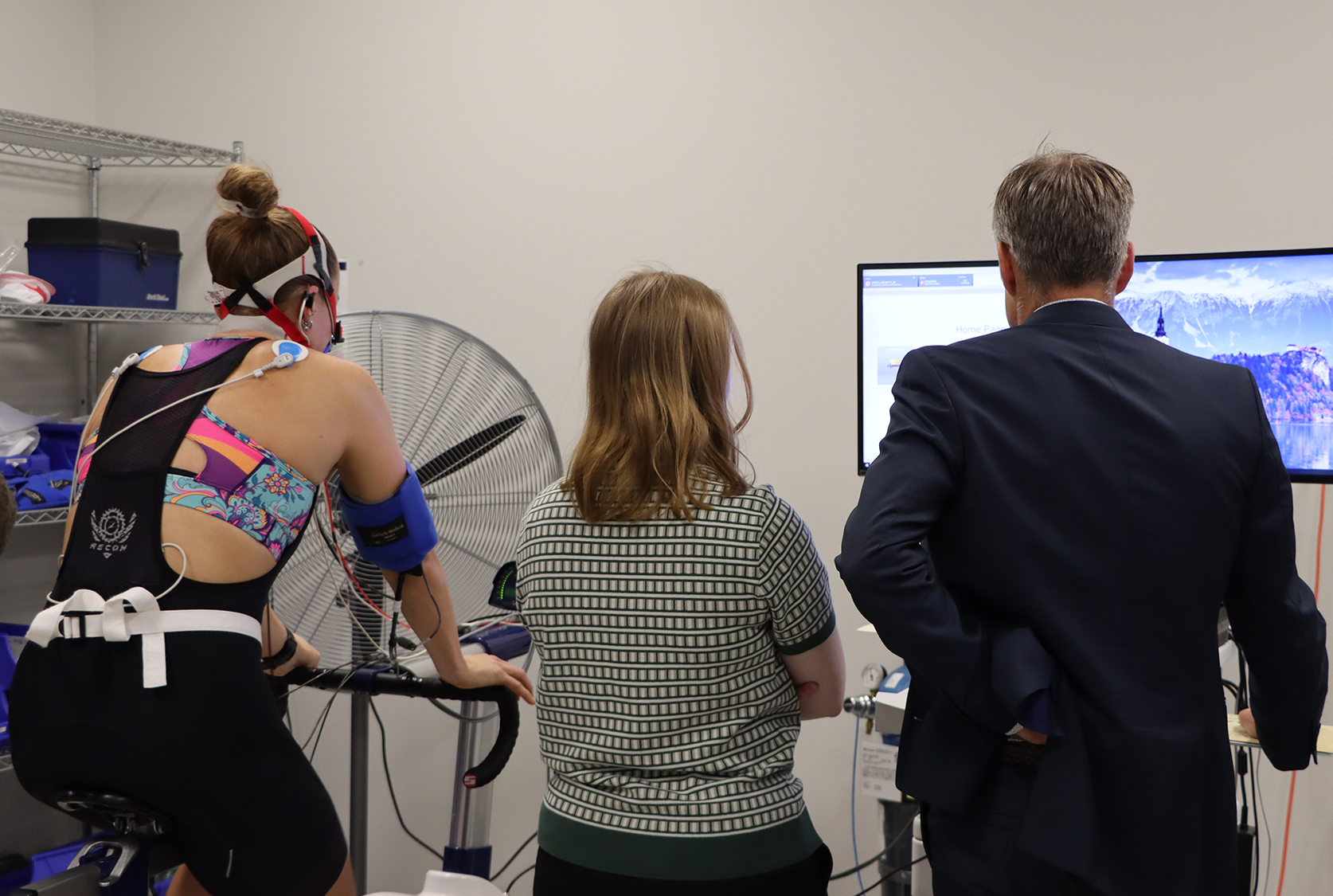
The study was led by Professor André La Gerche, Head of the Heart, Exercise and Research Trials (HEART) Laboratory, which is supported by SVI and the Victor Chang Cardiac Research Institute (VCCRI).
In a recent interview with the Australian Financial Review, Professor La Gerche explained how the findings could change how we monitor the long-term heart health of elite athletes.
“Many of these athletes had no idea they had AFib until we screened them, as it often develops without symptoms,” Professor La Gerche. “These are national sporting heroes who have trained intensively for years, but the physical toll may leave them at greater risk of heart complications later in life.”
 Former Olympic rower James Tomkins participated in the study, having first experienced symptoms of atrial fibrillation in 2008.
“I could actually feel my heart not beating correctly,” James said.
The study also explored the relationship between an athlete’s lifetime training load and their genetic makeup.
“This research suggests that genetic testing could one day become a routine part of screening elite athletes for cardiovascular risk,” André said.
As part of the study, participants underwent comprehensive testing, including ECGs, MRIs, and genetic analysis. Changes to the hearts of elite athletes, such as thickened heart walls and enlarged chambers, have been well documented, but the research also raises concerns about their longer-term impact.
 Professor Diane Fatkin, who led the genetic analysis with Associate Professor Eleni Giannoulatou at VCCRI, said the study is just the beginning.
“We’ve seen more cases of AFib develop over time, which reinforces the need for ongoing monitoring of retired athletes. We now need to understand how genetic factors influence AFib risk and whether treatment approaches should differ for this group.”
The researchers say further studies are needed to better understand the triggers of AFib in elite athletes and to develop targeted prevention and treatment strategies.
Donate to the HEART Lab