
Posted 10 September 2025
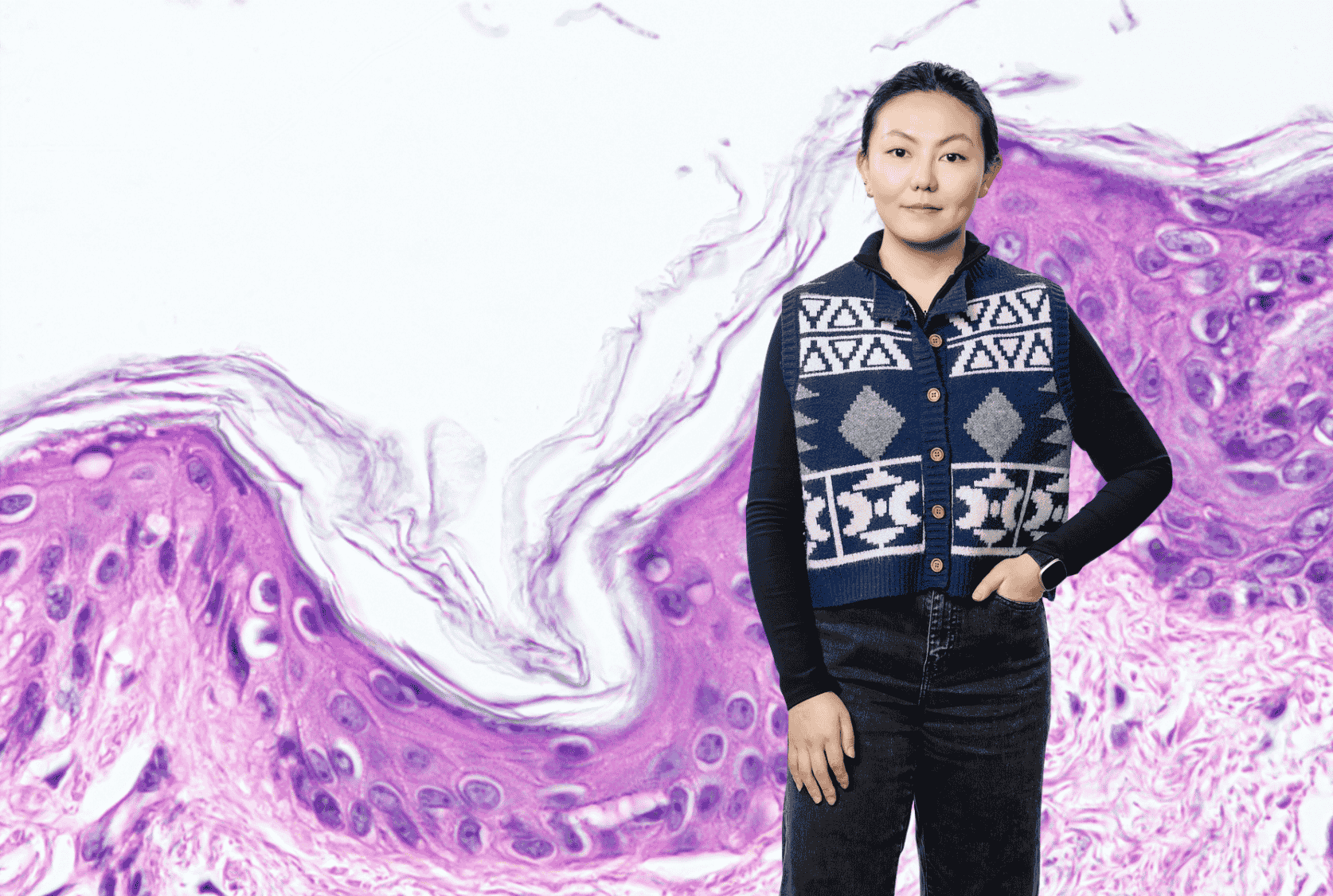
PhD student Li Li has received a competitive Graduate Research Award from the Friedreich’s Ataxia Research Alliance (FARA) and the Friedreich Ataxia Research Association (fara) Australia to progress her research into heart disease caused by the condition.
Friedreich ataxia is a devastating neurological disorder that causes the progressive degeneration of the nervous system and heart. No treatment or cure currently exists.
Heart disease is a leading cause of death in people with Friedreich ataxia. The condition disrupts the function of multiple cell types within the heart, weakening its ability to pump blood and sustain life.
Li’s PhD project, supervised by Dr Jarmon Lees, Associate Professor Max (Shiang) Lim and Associate Professor Louise Corben, aims to change this trajectory by using advanced stem cell technologies to investigate the underlying damage. This international funding will help Li bring this research and new treatment pathways closer to reality.
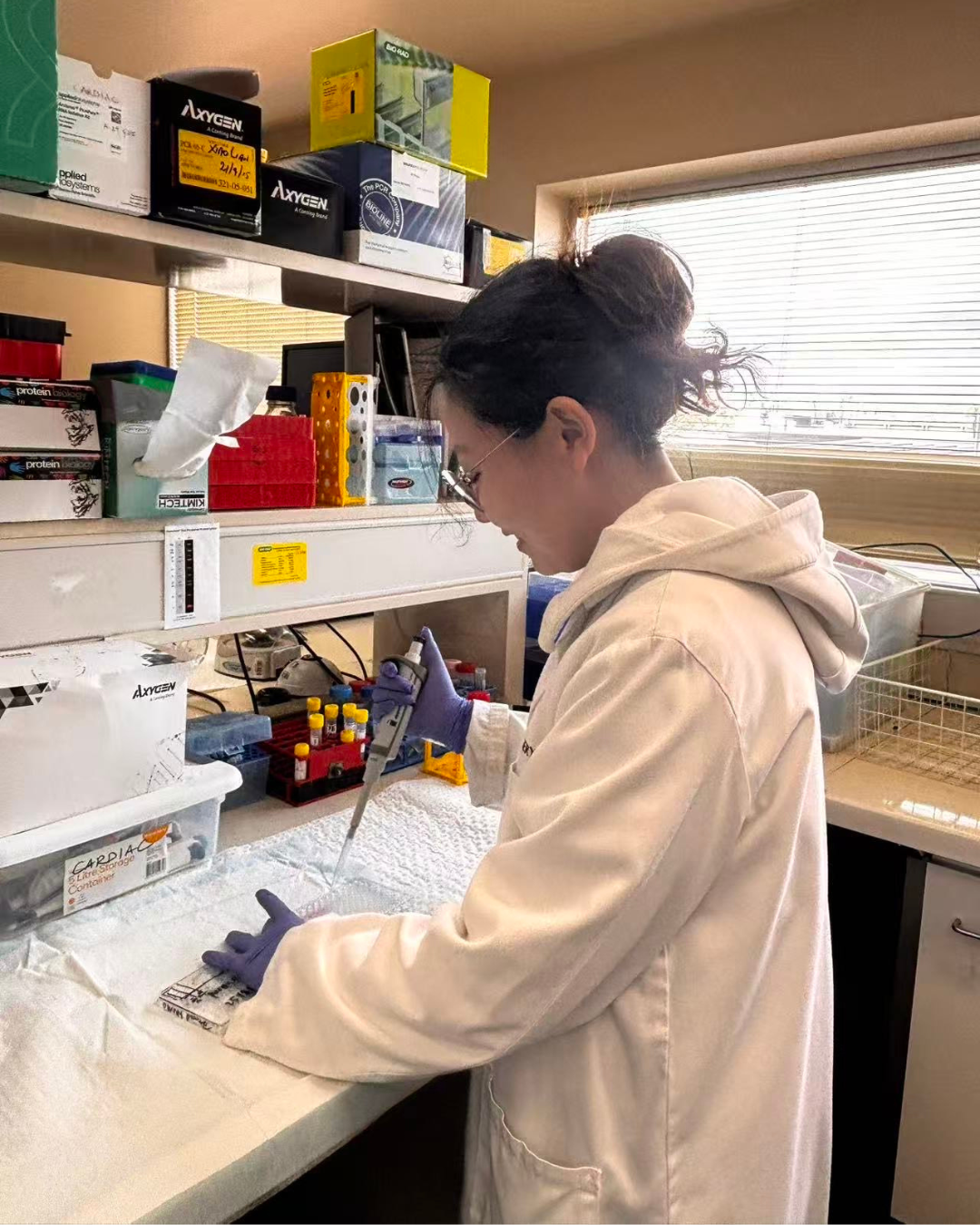
In the lab, Li and the Cardiac Regeneration team have recreated the complexity of the human heart by growing different cell types, including beating cardiomyocytes, vascular cells and fibroblasts.
 The team has discovered that cells affected by Friedreich ataxia behave differently: heart cells beat more slowly, blood vessels fail to form properly and tissues show early signs of damage.
Through molecular analysis, Li has identified several genes that are abnormally active in Friedreich ataxia heart cells. These genes, known for their roles in cell damage and mitochondrial dysfunction, have never previously been studied in this context. Her project will test whether correcting their expression can restore heart function in engineered human heart tissue models.
By targeting these genes, the team are closer to uncovering entirely new therapeutic targets. This would not only change the outlook for people with Friedreich ataxia, but also deepen understanding of heart disease more broadly.
“This work could reveal completely new treatment strategies for Friedreich ataxia heart disease,” says Li. “It’s an exciting opportunity to make real progress where options are desperately needed.”
Find out more about the Cardiac Regeneration Lab