
Posted 16 April 2025
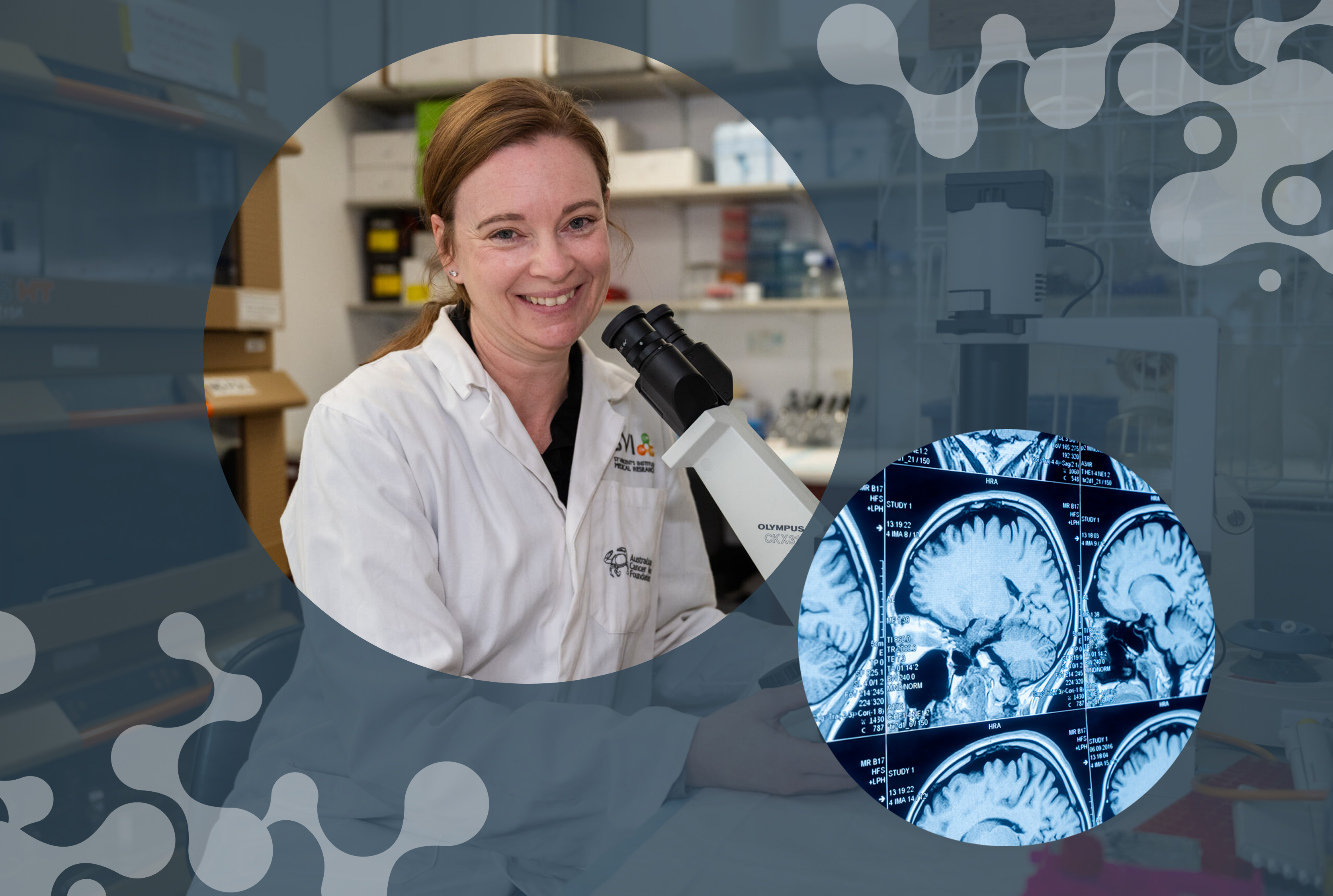
Dr Emma van der Westhuizen has received a grant from the National Foundation for Medical Research and Innovation (NFMRI) and the Mason Foundation (managed by Equity Trustees) to reach new frontiers in Alzheimer’s disease research.
The $145,000 sum will fund the Structural Biology Lab’s research into the use of small molecules to help brain immune cells clear harmful amyloid-beta (Aβ) peptides. In Alzheimer’s disease, the buildup of these peptides leads to cell death and impaired brain function.
The small molecules developed by Emma and her team target a microglial immune protein, which is linked to increased Aβ accumulation. Preventing the buildup of Aβ could help slow the progression of the disease and form the groundwork for new Alzheimer’s treatments. The team is now preparing to test these molecules on cell and animal models of the disease.
Emma noted that the breakthrough wouldn’t have been possible without the tenacity of the research team.
“The immune receptor we targeted has been regarded as an undruggable protein, but through the persistence of our multidisciplinary team we have found promising compounds for further development. This will be possible with the funding from the NFMRI and the Mason Foundation.”
The team hopes that the research will help create a new medication, offering new hope for patients.
“The funding will support our work to create a drug to help microglia clear toxic amyloid protein faster, which may lead to a new treatment for Alzheimer’s disease and other dementias such as Lewy Body Dementia.”
The early stages of this work benefited from philanthropic support, including a generous contribution from the Yulgilbar Foundation. Emma also recently received an SVI Rising Star Award to support her work into developing and characterising new drug candidates for Alzheimer’s disease.
Find out more about our Structural Biology Lab