
Posted 25 August 2026
SVI researchers have identified a promising new approach that could one day help protect the heart from the damaging side effects of some cancer treatments.
The research focuses on doxorubicin, a powerful chemotherapy drug used to treat several types of cancer.
While doxorubicin is highly effective at killing cancer cells, it can also damage healthy heart cells. The risk increases as patients receive more of the drug over time and can limit how much treatment they can safely receive.
Associate Professor Shiang (Max) Lim, Head of SVI’s Cardiac Regeneration Lab, and collaborators have been investigating whether it is possible to protect the heart from this damage without reducing chemotherapy’s ability to fight cancer.
Their new study, published in Cell Death Discovery, suggests it may be possible.
Protecting the heart
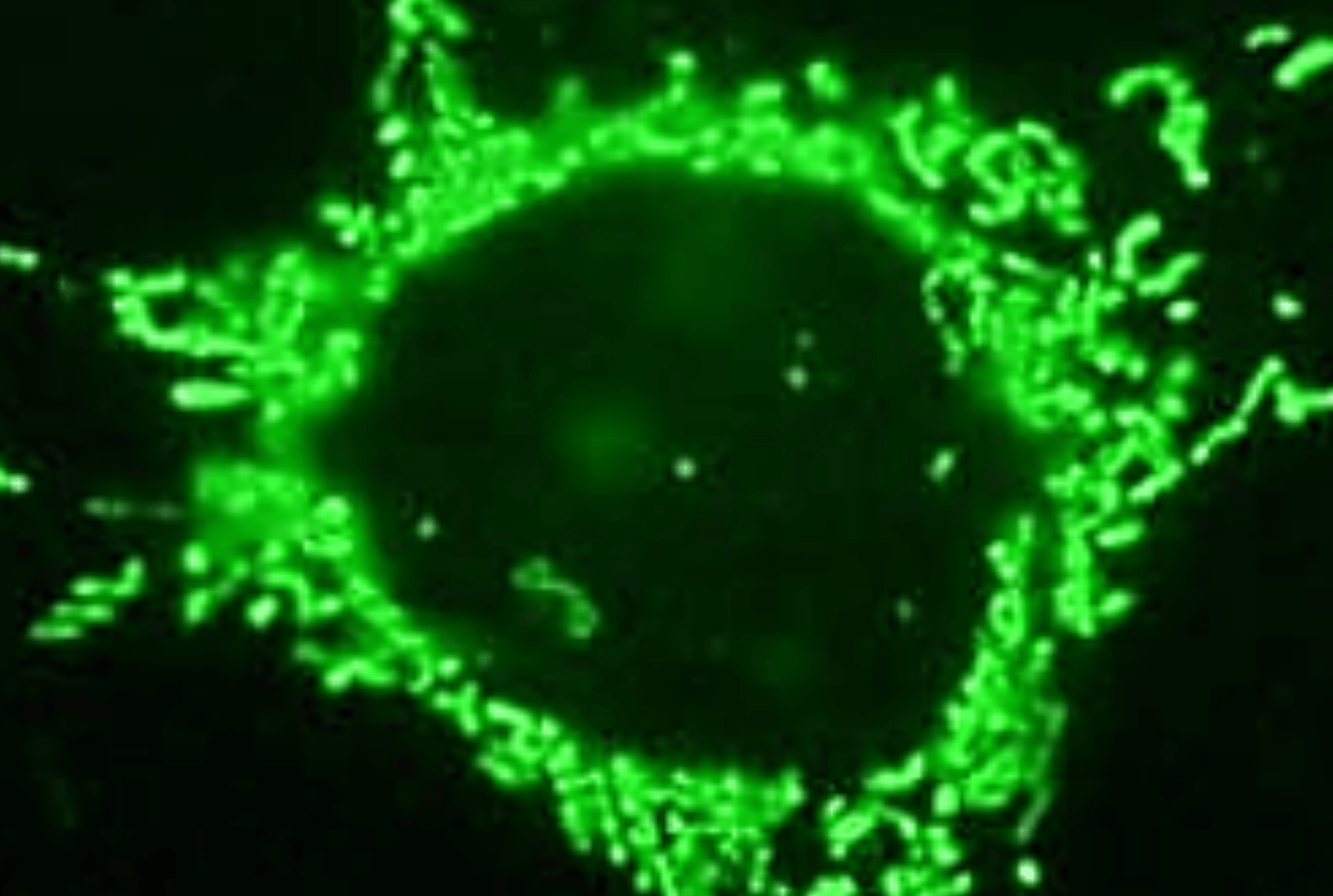
The researchers tested an experimental compound called DRP1i2, which targets a process involving mitochondria, tiny structures that provide cells with energy.
Doxorubicin can disrupt how mitochondria work in heart cells, contributing to heart damage. DRP1i2 is designed to block a protein involved in this process.
When tested alongside doxorubicin in mice, DRP1i2 helped protect the heart and maintain its ability to pump blood.
The researchers saw similar protective effects in laboratory-grown models of human heart tissue, where DRP1i2 helped heart cells survive and function normally.
Preserving the effects of chemotherapy
Importantly, DRP1i2 did not reduce doxorubicin’s ability to kill the cancer cells tested. The researchers tested DRP1i2 alongside doxorubicin in laboratory models of several cancers, including breast, ovarian and lung cancer.
The findings suggest the approach could help protect the heart while preserving the cancer-fighting effects of chemotherapy.
An early but promising step
While further research is needed to determine whether this approach could be used in people, the findings offer a promising step towards reducing the impact of chemotherapy on the heart.
Ultimately, approaches like this could help researchers work towards an important goal in cancer treatment: effectively treating cancer while better protecting a person’s long-term health.
Read the article
Cardiac Regeneration
As part of the Institute's O'Brien Department we use human stem cells to engineer beating heart tissue on a lab dish to develop effective and translatable treatments for heart disease.
Lab head: Associate Professor Shiang (Max) Lim
+61 3 9231 2480 (Reception) +61 3 9231 4020 (Office)
Available for Student Supervision