
Posted 18 November 2025

PhD student Kezia Gitareja is studying a new way to stop multiple myeloma, a type of blood cancer that affects the cells in our bone marrow.
In people with multiple myeloma, cells that make antibodies to fight infection become abnormal and multiply out of control. This not only crowds out healthy cells, but also leads to problems with bones, kidneys and blood health.
Kezia’s research focuses on how these cancer cells make the proteins they need to survive.
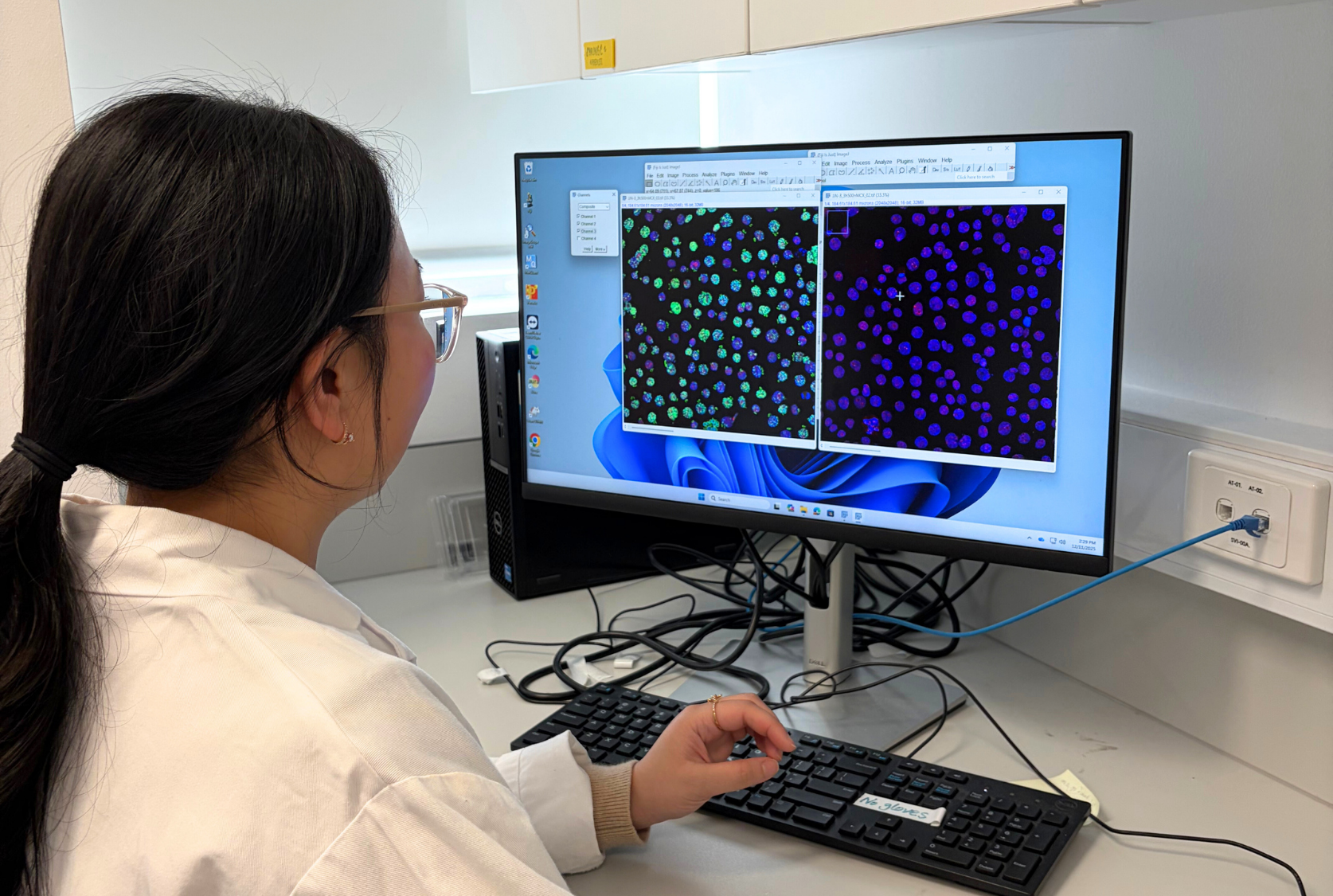 To do this, they rely on tiny structures called ribosomes, the cell’s protein factories. Cancer cells use these factories much more than normal cells do, so finding ways to block ribosome production could be a powerful way to stop the cancer growing.
In a recent study published in Molecular Therapy: Oncology, Kezia showed that drugs that target ribosome production such as CX-5461, and in her more recent studies, Selinexor kill myeloma cells, even in cases where the disease has come back after treatment.
Now, she’s using advanced tools like CRISPR gene editing and single-cell analysis to find out how these drugs work and how they could be improved for future treatments.
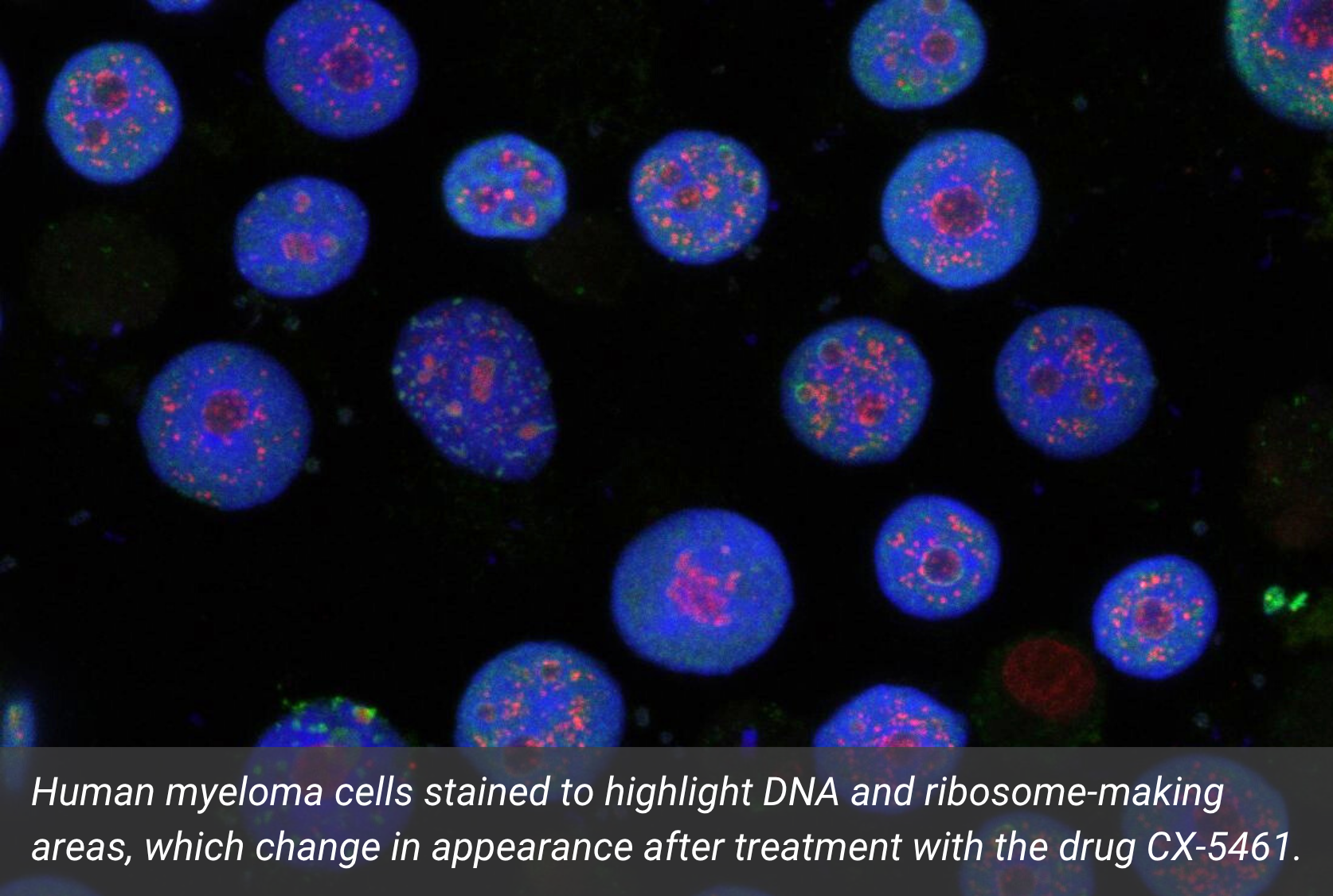 Kezia’s stipend is supported through a SVI Foundation Top-up Scholarship, provided by generous donors John and Barbara Ralph, and a University of Melbourne Research Training Program Scholarship.
She recently presented her findings at her first international conference in Toronto, at the International Myeloma Society meeting, where she connected with experts from around the world.
“Current treatments have improved survival for people with myeloma, but relapse is still a huge challenge,” says Kezia.
“I’m passionate about finding new strategies that can overcome this and give patients a better quality of life.”
Kezia’s project is supported by research grants from Tour de Cure and Barrie Dalgleish Centre for Myeloma and Related Blood Cancers Foundations.
Find out more about the DNA Damage & Cancer Therapy Lab