Posted 3 July 2026
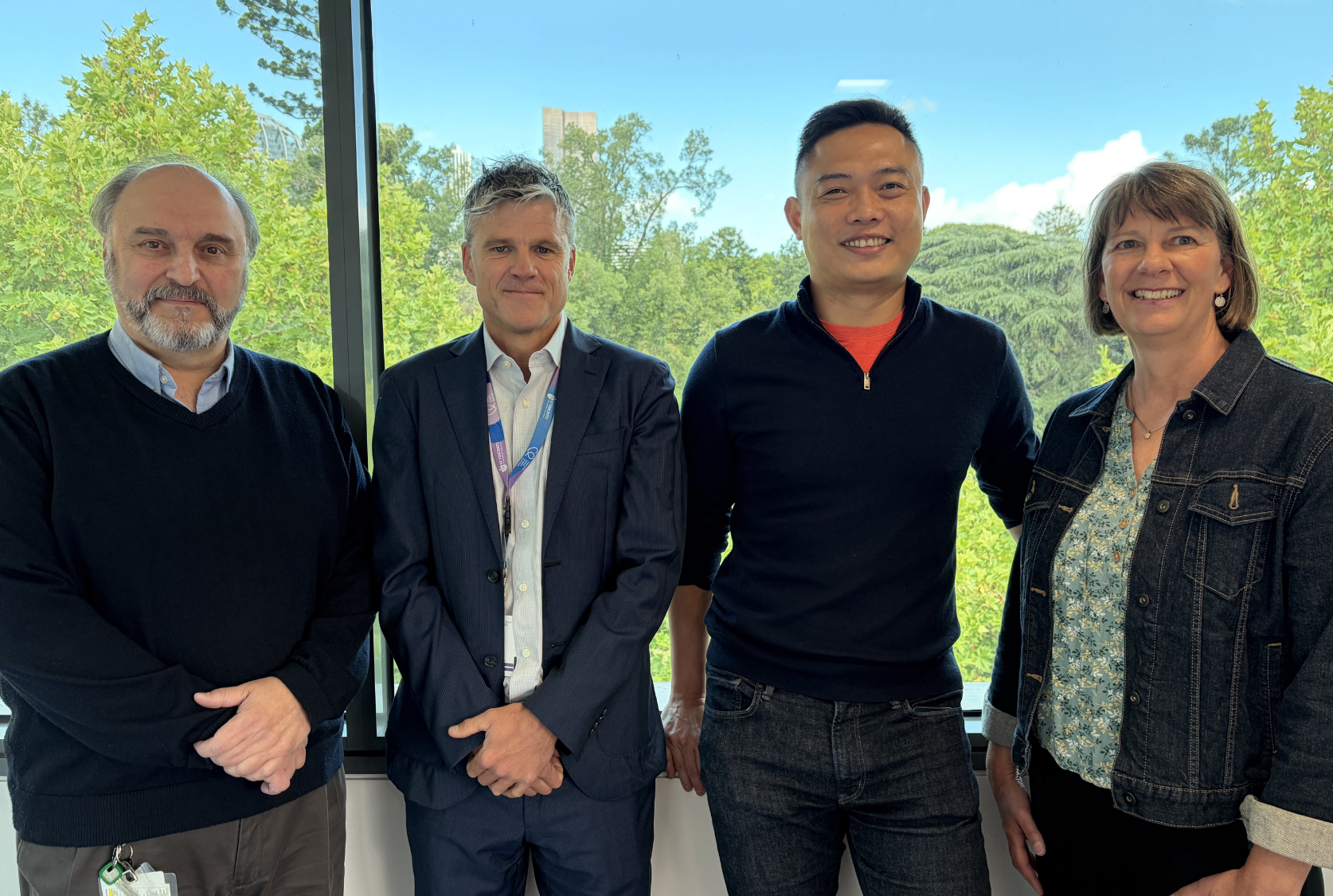
Associate Professor Shiang (Max) Lim and his collaborators have received new support from the Medical Research Future Fund (MRFF) to take an innovative stem cell therapy for heart attack recovery into early-stage clinical trials.
A landmark study published in Stem Cell Research & Therapy, funded by a previous grant from the MRFF Cardiovascular Health Mission, has paved the way for a $1.5 million grant from the MRFF Stem Cell Therapies Scheme.
This initiative seeks to advance a novel, minimally invasive encapsulated stem cell therapy designed to protect and repair the heart after a heart attack. It marks a pivotal step in translating more than a decade of discovery science into a potential new treatment for people with ischaemic heart disease, a common precursor to heart attacks.
Addressing an unmet need in heart attack recovery
Heart attacks remain a leading cause of heart failure worldwide, largely because existing treatments manage symptoms but cannot repair damaged heart tissue. Mesenchymal stromal cells (MSCs) are known to release powerful molecules that protect the heart, but delivering these benefits safely and continuously has long been a challenge.
The team’s solution is a small implantable encapsulation device containing human stem cell-derived MSCs, placed just beneath the skin to avoid direct intervention in the heart. The MSCs are produced using a next generation, scalable manufacturing platform by Melbourne-based biotechnology company, Cynata Therapeutics Limited. The device shields the cells from immune rejection while allowing them to release a sustained stream of therapeutic molecules, known as the ‘secretome’, into the body over many weeks.
“Our study shows that these cells can remain alive and highly active for months inside the device,” said Max, Head of SVI’s Cardiac Regeneration Laboratory and Chief Investigator on the grant.
“They continuously release protective signals that reduce stress on heart cells and support recovery after injury. Importantly, it’s a minimally invasive approach that offers long-term benefit.”
 An adaptive and responsive stem cell therapy
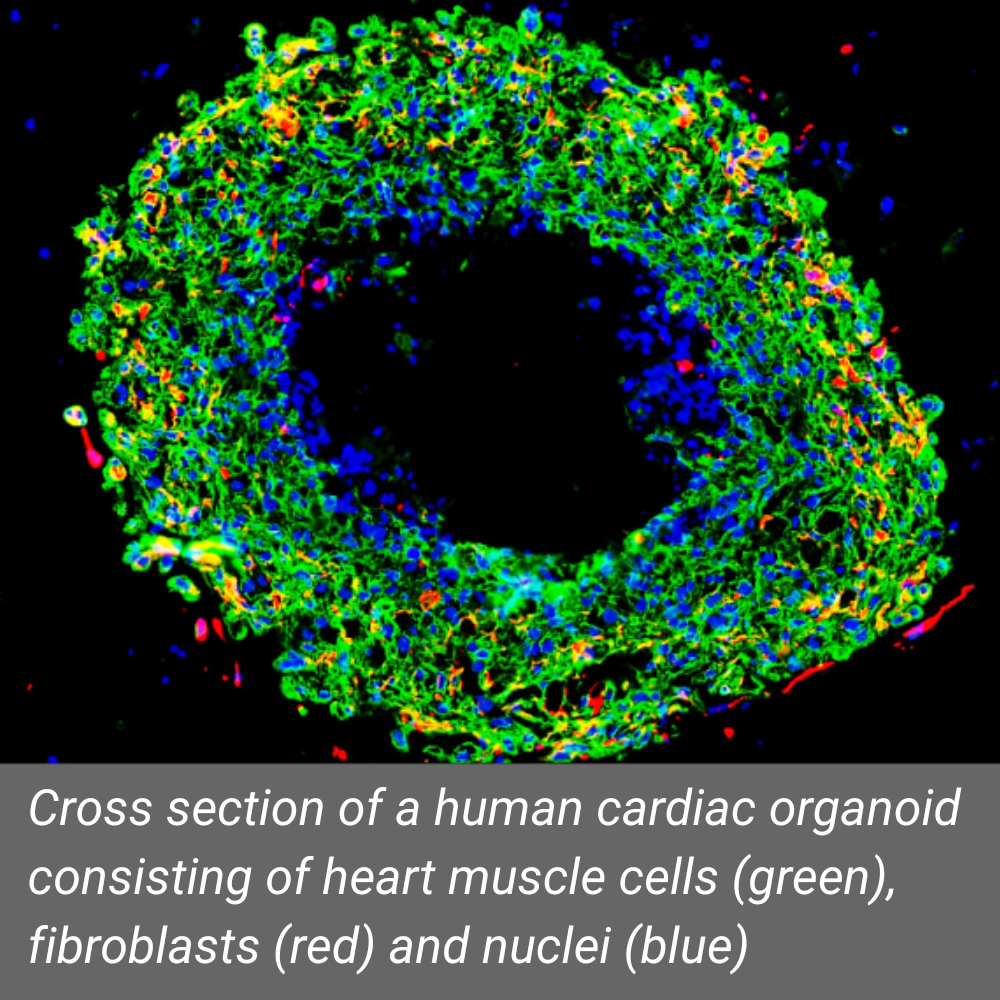
Using human heart microtissues, the researchers showed that the MSC secretome improved tissue function, reduced cellular stress and protected against simulated injury. Detailed protein analysis revealed another critical advantage: once implanted, the MSCs adapt to their environment, dynamically adjusting what they release to better meet the body’s needs.
“This adaptability is incredibly exciting,” Max said. “The cells don’t just survive, they act as living biodrugs, sensing their surroundings and fine-tune their therapeutic output. That opens the door to a more responsive, biologically intelligent therapy.”
Funding milestone and international collaboration to power the trial
The newly awarded MRFF grant will fund a Phase 1b clinical trial to evaluate the safety and early efficacy of the therapy in people with ischaemic heart disease.
SVI’s Professor André La Gerche, Emeritus Professor Wayne Morrison, Ms Karin Moning, and Professor Thomas Loudovaris will work alongside fellow researchers with complementary expertise spanning biomedical engineering and translational research.
The international team also includes Professor David Greening (Baker Heart and Diabetes Institute), Professor Derek Hausenloy (Duke-NUS Graduate Medical School), Professor Klearchos Papas (Procyon Technologies), Dr Kilian Kelly (Cynata Therapeutics), Associate Professor Adam Nelson (Royal Adelaide and Queen Elizabeth Hospitals) and Dr Chih Wei Teng (Centre for Commercialisation of Regenerative Medicine Australia), who bring critical specialist knowledge to the project.
A decade-long journey from discovery to innovation
This breakthrough is the result of more than a decade of continuous research:
- 2013: The cardiac team discovers a new type of stem cell in human heart tissue. The finding is later published in Stem Cell (2015).
- 2015–2017: Through two years of intensive study, the researchers uncover how these cells protect the heart, publishing in Scientific Reports (2017).
- 2020: The team present a proof-of-concept study showing an innovative approach to harness the cells’ healing power using a protective implant device (Cardiovascular Research, 2020).
- 2022: A major MRFF Cardiovascular Health Mission grant supports further validation and translation of the technology.
- 2024: The latest validation study, published in Stem Cell Research & Therapy, confirms strong and consistent results.
“After more than a decade of discovery, validation and refinement, we are now moving into the clinic. This brings us closer to giving patients a safe, long-lasting therapy that supports heart healing after a heart attack and reduces the risk of heart failure,” said Max.
If successful, the trial could lay the groundwork for a new class of minimally invasive, adaptive stem cell therapies for heart disease.
Read the study
Cardiac Regeneration
As part of the Institute's O'Brien Department we use human stem cells to engineer beating heart tissue on a lab dish to develop effective and translatable treatments for heart disease.
Lab head: Associate Professor Shiang (Max) Lim