
Posted 31 October 2025
Our DNA is like a genetic blueprint that influences a lot of who we are. But our DNA is contantly being damaged by things like ultraviolet light from the sun, normal bodily processes, and lifestyle choices we might make such as smoking or alcohol consumption. Thankfully our cells have ways of repairing this damage to our DNA blueprint.
Fanconi anaemia (FA) is a genetic condition caused by changes in a group of genes that normally help repair damaged DNA. Because this repair process is less efficient in people with FA, their cells are extremely sensitive to treatments like chemotherapy and radiation, making standard cancer treatments unsafe for them.
Children with a diagnosis of FA often develop bone marrow failure which means they need a bone marrow transplant, while adults with FA face a much higher risk of developing specific types of cancer, coupled with less treatment options.
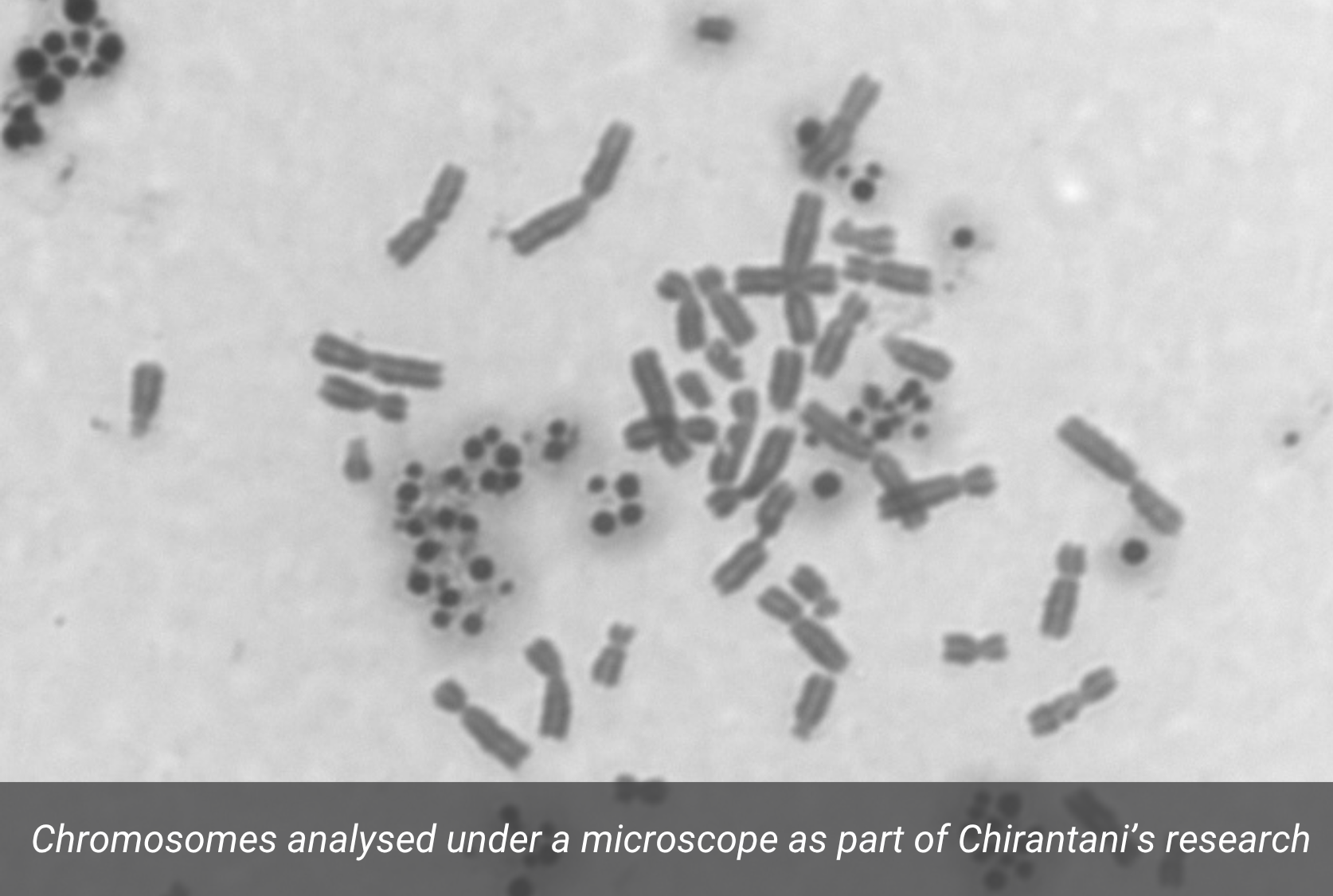 Because the disease can be caused by inactivation in any one of 23 different genes, diagnosing it accurately and developing effective treatments is extremely challenging.
At SVI, Dr Chirantani Mukherjee is working to change that. Her research is focused on finding faster, more accurate ways to diagnose FA and investigating potential therapies.
Chirantani and the DNA Repair & Recombination team have used CRISPR technology to create lab-grown cell models that mirror what occurs in the cells of people with an FA diagnosis.
The team is using these models to test a new diagnostic method that can not only detect FA, but also pinpoint the exact gene variant causing the condition.
Current tests can confirm an FA diagnosis but can’t identify which gene is responsible. By improving the precision of testing, doctors would be able to provide earlier and more personalised care for patients.
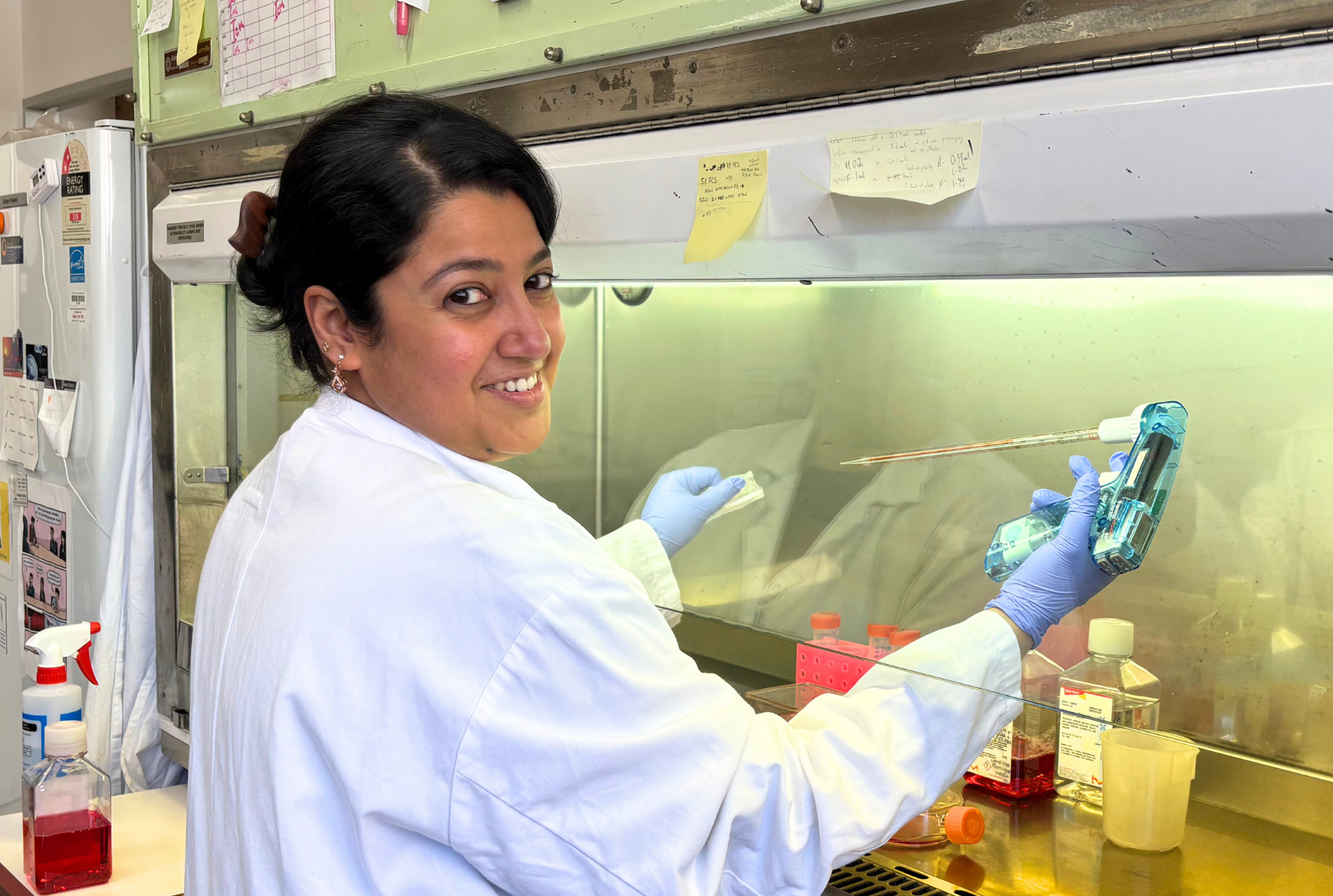 Chirantani is also investigating a new therapy that uses antisense oligonucleotides (ASOs), tiny RNA-like molecules that act as ‘molecular bandages’ to correct RNA splicing errors and cause FA. ASOs have already been used to successfully treat other rare genetic diseases and may one day help prevent cancers and other symptoms of FA.
“Understanding how FA develops at the genetic level gives us the power to design better diagnostics and, ultimately, better treatments,” says Chirantani.
“Our goal is to give patients a future with fewer complications and longer, healthier lives.”
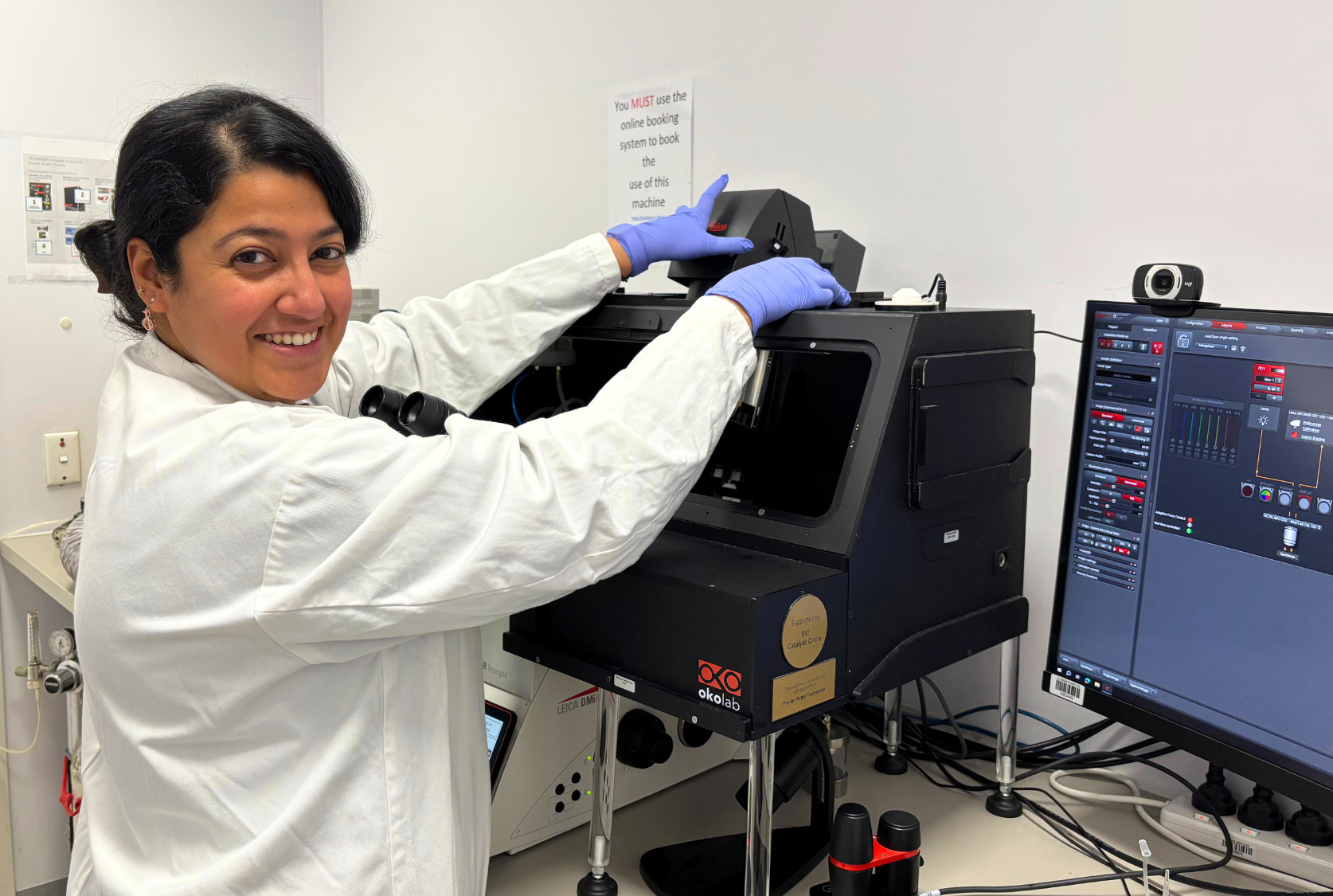
Breakthroughs in FA research depend on access to specialised technology. Thanks to equipment purchased through the generosity of The Ian Potter Foundation and donors to SVI’s Catalyst Circle, Chirantani is able to use the Leica THUNDER imaging system to visualise DNA repair in unprecedented detail and uncover how these fragile processes go awry in disease.
Find out more about the DNA Repair & Recombination Lab