
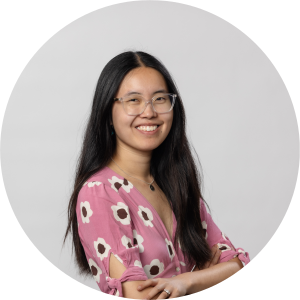
Dr Kylie Jevon
Research Officer
Immunology & Diabetes
How the islet microenvironment regulates T-cell exhaustion
Type 1 diabetes (T1D) is a chronic disease where the body’s own immune cells (T cells) attack and destroy the insulin-producing beta cells in the pancreas.
There is no cure and current treatments use insulin injections to attempt to restore blood glucose levels.
However, even with new technologies such as insulin pumps, T1D is difficult to manage and, in many patients, inadequate to control blood glucose which can lead to serious complications including blindness and kidney failure.
An emerging area of research that has the potential to prevent or slow the progression of T1D is T cell exhaustion, a mechanism of protecting the body from excessive immune attack.
Kylie’s project aims to understand how the local islet environment regulates T cell exhaustion in T1D.
Kylie seeks to generate live pancreatic tissue slices using mouse models of T1D to elucidate the specific factors that protect T cells from exhaustion.
This is a critical step toward understanding how we might be able to drive T cells towards a more dysfunctional ‘exhausted’ state to slow or prevent the progression of T1D.
Dr Kylie Jevon completed her PhD at The University of Sydney in 2024, where she investigated how the islet environment affects islet beta-cell function (published in eLife) and identified strategies to improve cell-based treatments for type 1 diabetes (published in Bioengineering).
Now working in the Immunology & Diabetes Unit at SVI, Kylie aims to understand how the islet environment regulates T cell exhaustion and to uncover novel therapeutic targets for type 1 diabetes.

Dr Sebastian Bass-Stringer
Senior Research Officer
Cardiac Regeneration
Engineered aged heart tissues for mechanistic and therapeutic discovery in heart failure
Heart failure with preserved ejection fraction (HFpEF) is a major cardiovascular challenge, particularly for the aging population.
In HFpEF, the heart muscle pumps blood normally, but the heart’s lower chambers are too stiff to fill properly with blood. This leads to issues like shortness of breath, fatigue, and swelling.
Current treatments do little to stop HFpEF from worsening.
Sebastian’s project aims to understand why aging makes the heart so vulnerable to this form of heart failure, and to find new ways to protect and repair the aging heart.
Sebastian and the Cardiac Regeneration team have developed miniature beating “hearts in a dish” using human stem cells.
They will use new genetic techniques to “age” these cells in a controlled and accelerated way, which allows us to closely mimic how the human heart changes with age.
They will then model heart failure in these aged hearts to observe how aging contributes to the development and progression of heart disease.
The team will test whether recently discovered natural healing factors, released by stem cells, can slow down or reverse the damage in these aged heart models of heart failure, paving the way for more effective, targeted treatments.
Dr Sebastian Bass-Stringer specialises in cardiac regeneration, gene editing and disease modelling.
Sebastian’s research in the Cardiac Regeneration Lab focuses on understanding the mechanisms of aging and heart failure.
He uses innovative approaches, including gene editing, in vitro disease modelling of 3D cardiac tissue, and gene therapies, to uncover the drivers of heart aging and to identify new therapeutic targets for heart failure and age-related cardiac dysfunction.
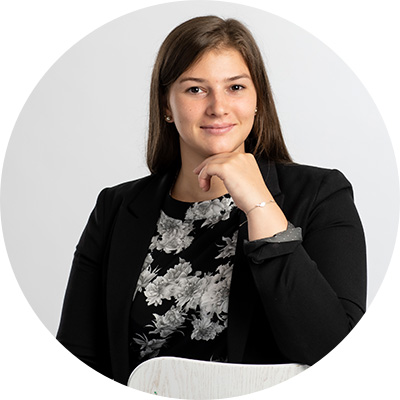
Dr Martha Blank
Research Officer
Bone Cell Biology & Disease
Identifying how lysosomal inhibition in osteocytes changes cell metabolism and bone quality
The quality of bone health relies on a careful balance between collagen and mineral. When this balance is disrupted, bones can become more prone to breakage and conditions like osteoporosis can arise.
Osteoporosis affects millions and poses a significant global burden. Sufferers experience pain, reduced mobility and increased risk of fractures.
Martha’s project seeks to uncover how bone cells produce collagen and mineral in a way that leads to bone strength.
Martha and her colleagues aim to target these cells and stimulate them to make stronger material, thereby prevent fractures.
This new understanding could lead to the development of treatments that improve bone quality, and negate the need to build new bone.
Dr Martha Blank started her bone research journey in Vienna, Austria where she undertook a project investigating how cells control the mineralisation of bone.
In 2018, Martha moved to Melbourne to start her PhD and continue to work on understanding how cells within the bone (osteoblasts and osteocytes) control bone strength by regulating mineralisation and the collagen framework.
After completing her PhD in 2022, Martha now works in the Bone Cell Biology and Disease Unit and is testing how lysosomal enzyme inhibition affects bone material quality.
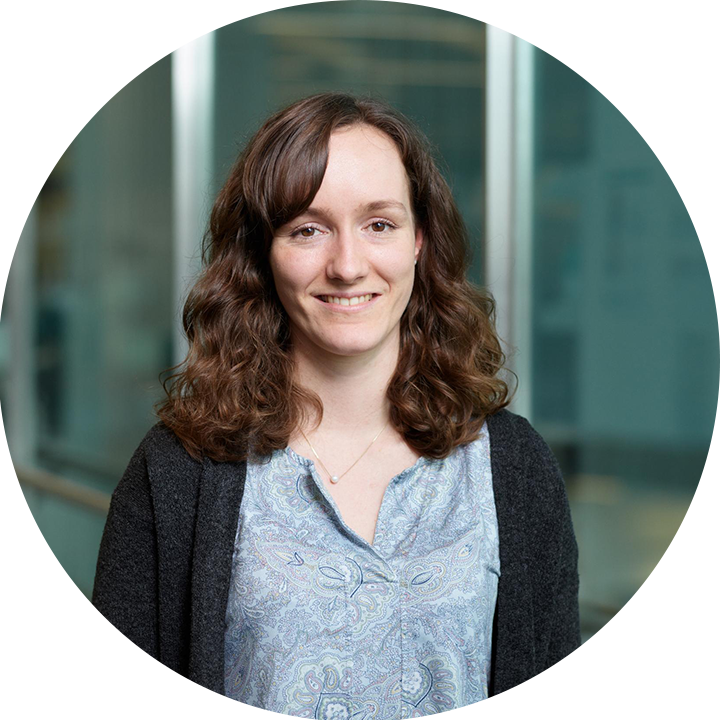
Dr Sarah Henrikus
Research Officer
Genome Stability
Targeting DNA damage repair for new therapeutics in cancer and genetic disorders
When Fanconi anaemia (FA) proteins and their partner, BRCA1, don’t work properly, it can lead to rare inherited diseases.
These include conditions like Fanconi anaemia, as well as more common cancers such as breast, ovarian, and blood cancers.
Sarah’s project aims to uncover exactly how FA proteins and BRCA1 work together to protect DNA at a molecular level.
By understanding these protection mechanisms in detail, Sarah and her colleagues aim to discover new targets for drug development.
This knowledge could lead to more effective, personalised treatments for both rare genetic disorders and common cancers, ultimately improving outcomes for millions of patients worldwide.
Sarah completed her PhD in 2019 at the University of Wollongong, where she developed single-molecule fluorescence imaging techniques to investigate DNA damage response in E. coli.
Sarah also held a research position at the Francis Crick Institute, London, during which she was awarded both EMBO and HFSP fellowships.
At SVI’s Genome Stability Lab, Sarah is now continuing her research on the DNA damage response, using a combination of biochemical and biophysical techniques to uncover its underlying molecular mechanisms.
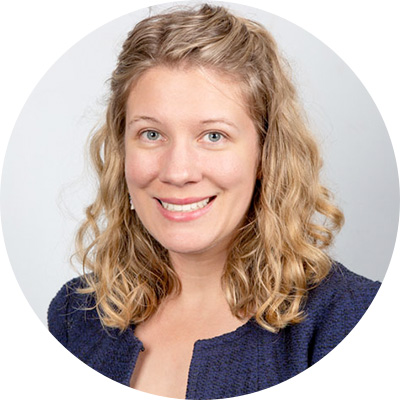
Associate Professor Elizabeth Paratz
Team Leader
Heart Exercise & Research Trials
Creation of the CODEX registry, linking vital sudden cardiac arrest data
Sudden cardiac arrest (SCA) affects 32,000 Australians per year but often flies under the radar as a critical public health issue as 90% of deaths occur pre-hospital and are managed by ambulance and forensic services.
There are many unanswered questions in the field of sudden cardiac death. Reducing the burden of SCA has been described as the ‘philosopher’s stone of modern cardiology’.
Elizabeth and colleagues have already successfully led the creation of Australia’s first prospective multi-source cardiac arrest registry, drawing together information from ambulance, hospital and coronial sources in Victoria
The project supports the creation of the COmprehensive Database of Examinations in Sudden Death (the CODEX database), which expands the program to all age groups and from the year 2000 onwards to create the world’s largest case-adjudicated SCA database.
The CODEX database will have near-limitless scope for unique projects and easily deliverable outputs that target the ‘philosopher’s stone’ of reducing cardiac arrest incidence and mortality.
Elizabeth gained her medical degree with honours from the University of Melbourne in 2010 and qualified as a cardiologist in 2017.
Alongside her medical and cardiology training, Elizabeth undertook additional studies at Imperial College London (2007-08, laboratory-based research in pulmonary hypertension) and Harvard University (2015-16, biostatistics and epidemiology).
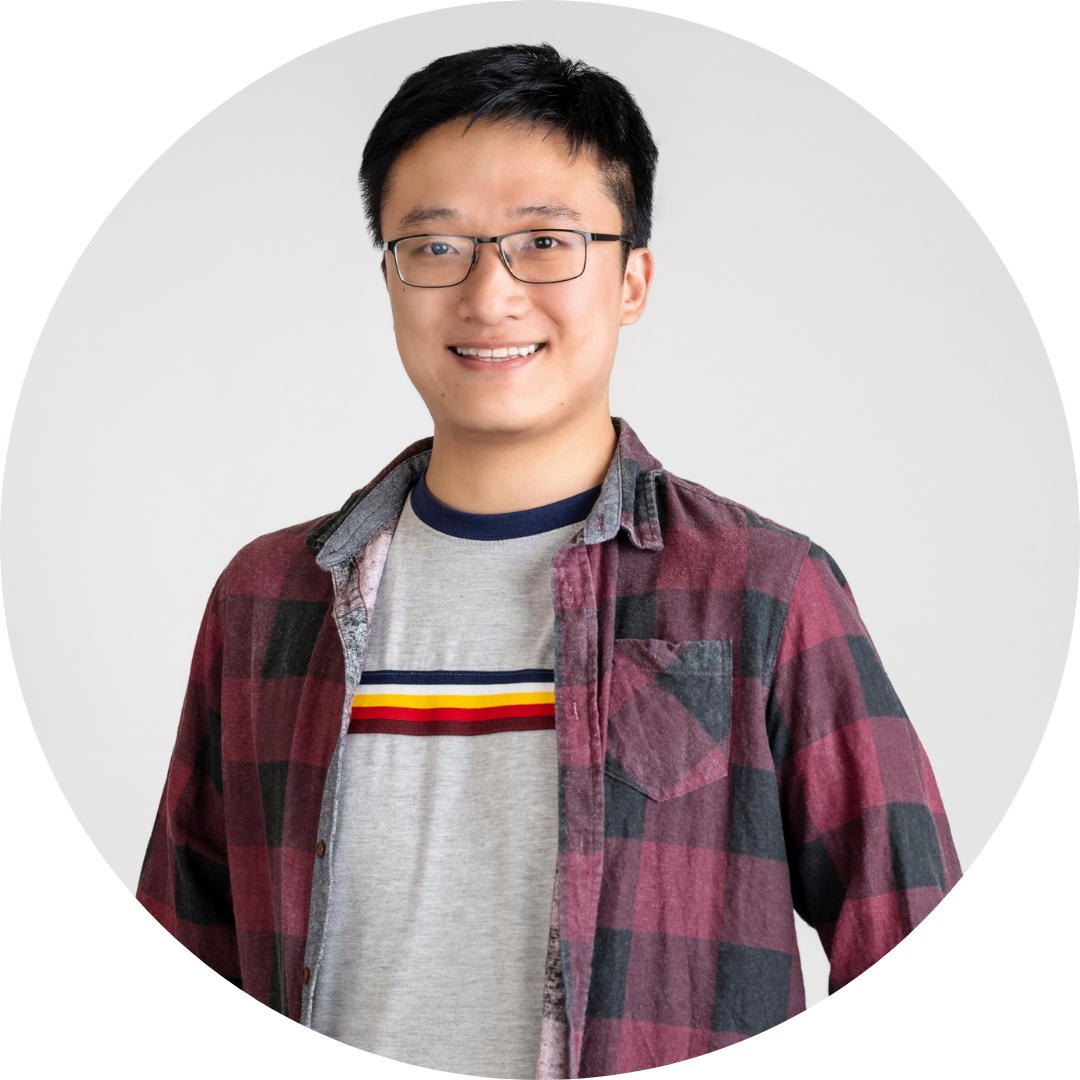
Dr Seigmund Lai
Postdoctoral Fellow
Immunology & Diabetes
Testing JAK inhibition as a strategy to prevent islet allograft rejection in beta cell replacement therapy
Type 1 diabetes (T1D) is a lifelong condition where the body’s immune system, specifically T cells, mistakenly attacks and destroys the insulin-producing cells, called beta cells, in the pancreas.
Without insulin, patients with T1D must rely on daily insulin injections to control their blood sugar.
However, this treatment is not a cure and can lead to serious health complications over time.
One promising approach to treat T1D is islet transplantation, where healthy insulin-producing cells are transplanted into patients with diabetes.
This project explores a new approach to protect transplanted islet cells by targeting a key immune signalling pathway known as the JAK/STAT pathway.
Seigmund will study how drugs called JAK inhibitors affect both T cells, which are responsible for attacking beta cells and transplanted cells, and the beta cells themselves, which can become more visible to the immune system during inflammation and disease progression.
Seigmund will seek to establish robust protective approaches to sustain the long-term function and protection of transplanted beta cells without chronic immunosuppression.
Dr Seigmund Lai studied Neurobiology, Physiology, and Behaviour at University of California, Davis, before completing his PhD studying diabetes and diabetic complications at City of Hope National Medical Center.
Seigmund joined the Immunology and Diabetes Unit in 2024.