
Posted 5 August 2026
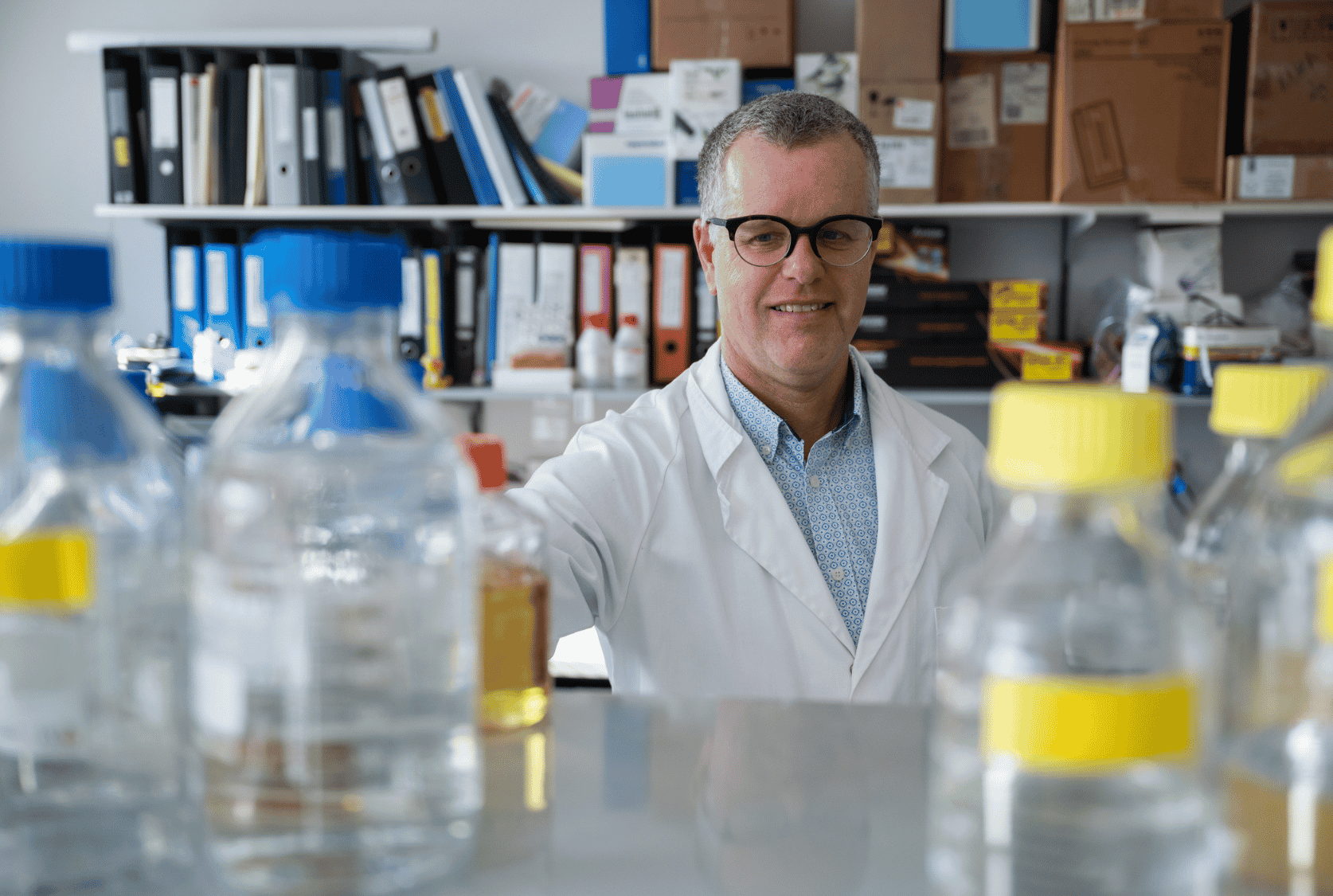
Associate Professor Stuart Mannering, Head of Human Immunology, and his research team, have been awarded almost $1 million through the Medical Research Future Fund (MRFF) to develop a new blood test that could transform how type 1 diabetes is detected and treated.
Type 1 diabetes is an autoimmune disease in which the immune system mistakenly destroys the insulin-producing cells of the pancreas. While current screening relies on detecting diabetes-related antibodies, these tests cannot directly measure the immune cells driving the disease or accurately predict when someone will become insulin-dependent.
Through this new grant, Stuart’s team aims to develop a simple blood test that measures the three key types of T cells involved in type 1 diabetes. By tracking the immune attack itself, rather than its indirect signs, the test could help clinicians identify children most likely to progress to clinical disease, monitor how the autoimmune response changes over time and determine who is most likely to benefit from emerging preventative therapies. It could also provide a powerful new way to assess whether experimental immune therapies are working.
Importantly, earlier and more accurate prediction of disease progression could help families prepare for diagnosis and reduce the risk of serious complications such as diabetic ketoacidosis, which can occur when type 1 diabetes first develops.
The project builds on the team’s recent Science Translational Medicine publication, which introduced the first whole-blood assay capable of measuring diabetes-causing CD4+ T-cell responses. The new MRFF-funded research will expand this approach to capture the full immune response, bringing the technology closer to routine clinical use.
The research will be conducted in collaboration with endocrinologists Professor Fergus Cameron from The Royal Children’s Hospital Melbourne and SVI’s Professor John Wentworth, who is also a clinician at The Royal Melbourne Hospital.
“We hope this research will provide clinicians with a much clearer picture of what’s happening inside the immune system, helping families make more informed decisions as new therapies become available,” said Stuart.
Human Immunology
The Human Immunology Laboratory has two related goals: 1) to determine how and why the immune system turns against insulin-producing cells, leading to type 1 diabetes, and 2) to develop ways to measure and prevent the disease-causing immune response.
Lab head: Associate Professor Stuart Mannering