
Posted 8 October 2025

T cells are a crucial part of our immune system, responsible for defending the body against infections and cancer. These powerful cells are produced and “educated” in an organ called the thymus.
Proper education is vital – T cells need to learn how to attack harmful invaders while ignoring the body’s own healthy tissues. When this education process fails, it can lead to autoimmune diseases, where the immune system mistakenly attacks the body itself.
A key group of cells responsible for teaching T cells are known as thymic antigen presenting cells (APCs). In a new study, researchers have revealed that these APCs are much more complex and unique than previously thought. Even more exciting, the team discovered a rare new type of thymic cell that may play a vital role in preventing autoimmune diseases.
Using cutting-edge single-cell technologies, the researchers mapped the different types of antigen presenting cells in the thymus in unprecedented detail. They also found that changes in these cells in models of autoimmune disease could be linked to how these diseases develop.
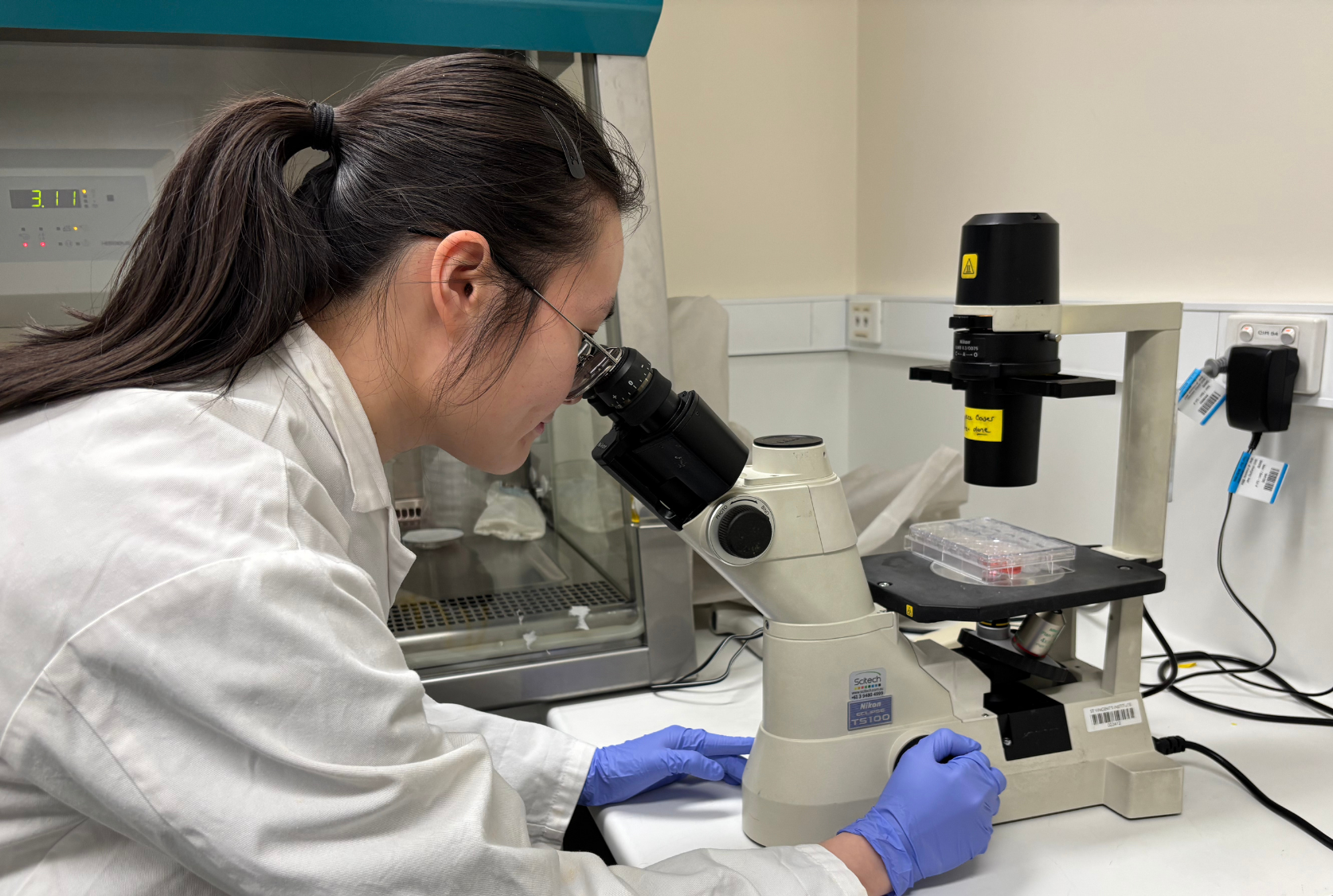 This important work was driven by first author Angela (Yi) Wang, a PhD candidate at St Vincent’s Institute of Medical Research (SVI), who is about to submit her PhD thesis. Angela is the first author of a paper describing the findings, which has just been published in the prestigious journal Proceedings of the National Academy of Sciences (PNAS).
“It’s incredible to uncover just how complex and specialised these thymic cells are,” said Angela (Yi).
“Understanding their role better could help us find new ways to stop autoimmune diseases before they start.”
The study involved a large international collaboration, with scientists from leading institutions including the Walter and Eliza Hall Institute (WEHI), Monash University, Murdoch Children’s Research Institute (MCRI), the Malaghan Institute of Medical Research in New Zealand and the University of California San Francisco (UCSF) in the United States.
“The thymus is where T cells learn to protect us without attacking our own tissues,” said Associate Professor Mark Chong, Head of the RNA & T Cell Biology Lab at SVI, who led the study.
“Understanding the different antigen presenting cells involved in this education process gives us critical insight into how autoimmune diseases might arise and how we might better prevent or treat them.”
This discovery opens new avenues for understanding how a healthy immune system develops and offers hope for future therapies aimed at autoimmune diseases such as type 1 diabetes and lupus.
Find out more about the RNA & T Cell Biology Lab